
Hero
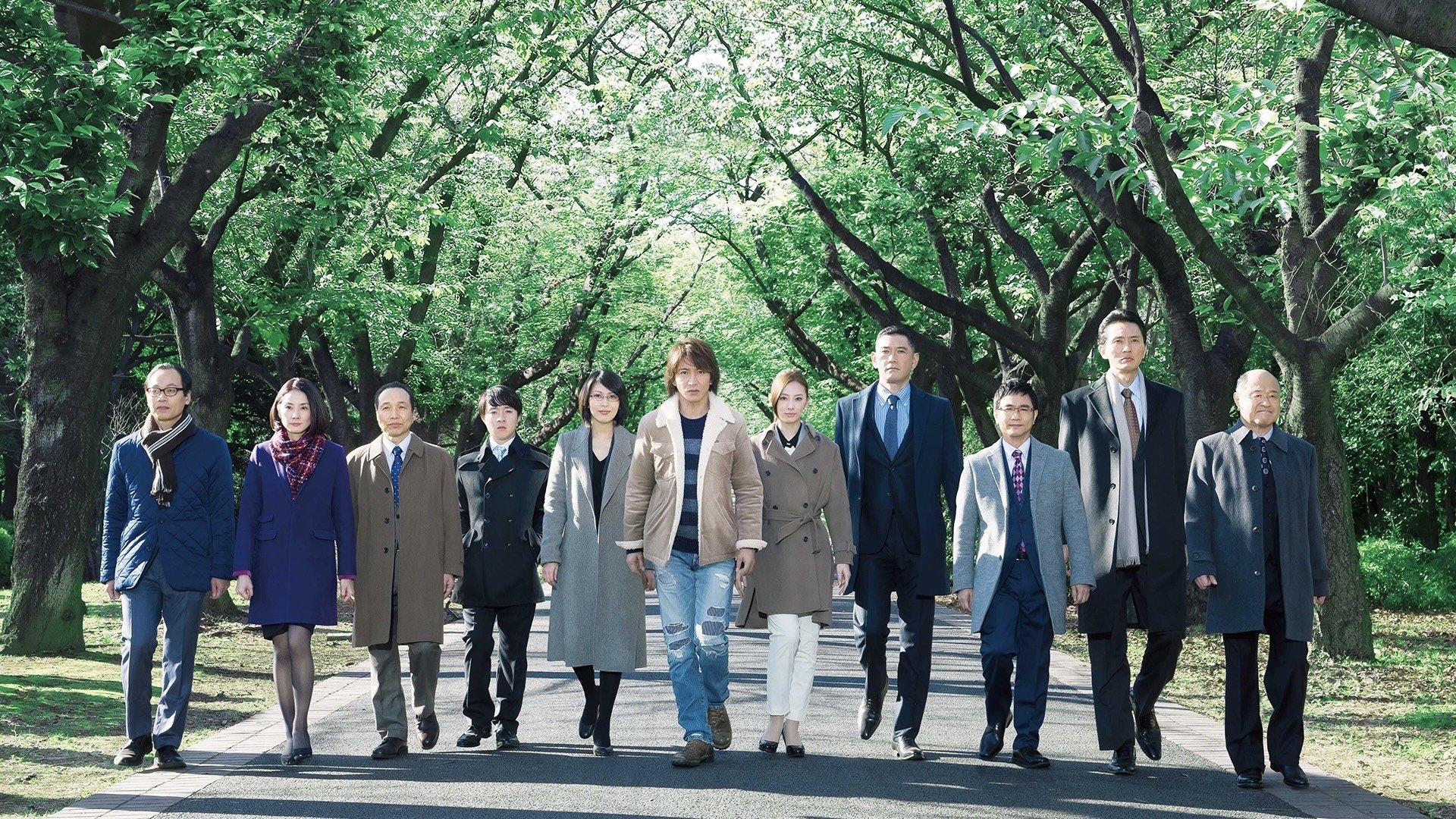
Prosecutor Kohei Kuryu takes charge of a case with a foreign embassy possessing the key to solve the case. Due to the extraterritoriality involving the case, the investigation has not gone anywhere. A crisis then ensues. Kohei Kuryu and his office attempt to extract the truth behind the wall of the Neustrian Embassy.
Insights
Plot Summary
In ancient China, a nameless warrior seeks an audience with the tyrannical King of Qin. He claims to have defeated three of the King's most formidable assassins: the Snow Sword, Flying Snow, and Broken Wing. As the warrior recounts his tales, the King, suspicious of the assassin's motives and the warrior's true intentions, interrogates him, slowly unraveling the complex web of love, betrayal, and sacrifice that led to this confrontation.
Critical Reception
Hero was met with widespread critical acclaim, lauded for its stunning visual artistry, intricate choreography, and epic scope. While some critics noted the narrative's non-linear structure and emotional distance, the film's artistic merit and breathtaking cinematography were almost universally praised, making it a landmark achievement in martial arts cinema.
What Reviewers Say
- Visually breathtaking with stunning cinematography and intricate fight sequences.
- A masterclass in Wuxia filmmaking, blending action with philosophical themes.
- Praised for its artistic direction and ambitious narrative structure.
Google audience: Audiences were largely captivated by Hero's stunning visual beauty, impressive martial arts choreography, and thought-provoking story. Many found the film to be a work of art, appreciating its epic scale and emotional depth, though some noted the narrative could be complex.
Awards & Accolades
Nominated for the Academy Award for Best Foreign Language Film and the Golden Globe Award for Best Foreign Language Film. Won awards at numerous festivals, including the Venice Film Festival and the Hong Kong Film Awards.
Fun Fact
The film's distinctive color palette for each assassin's story was a deliberate choice by director Zhang Yimou to represent different emotional states and narrative perspectives. For instance, red symbolizes passion and sacrifice, while blue represents sorrow and betrayal.
AI-generated overview · Verify ratings on official sources