Movie spotlight
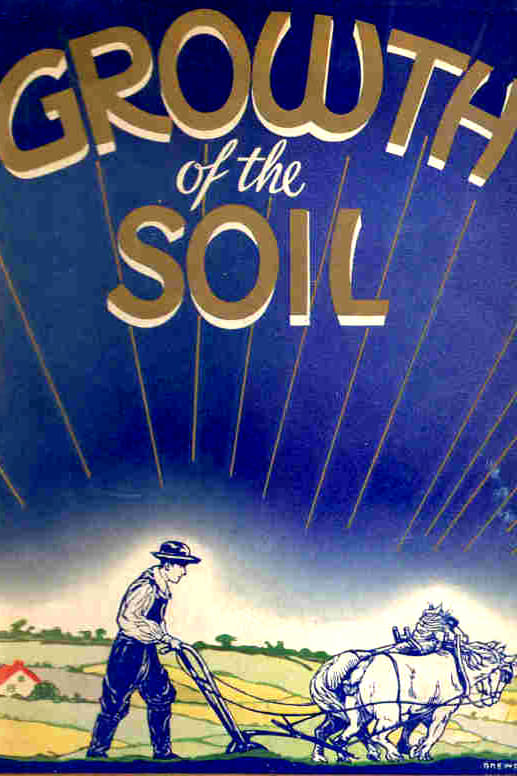
Growth of the Soil
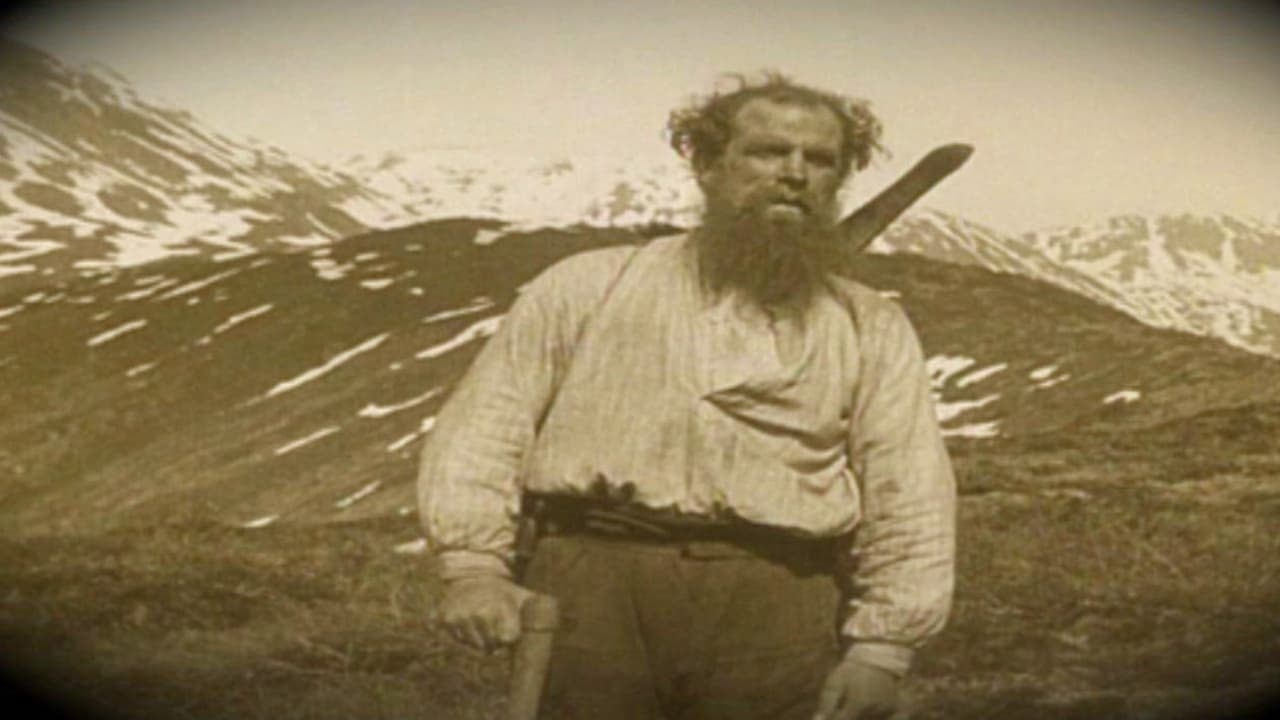
In rural Norway in the early 20th century, the homesteader Isak makes a farm out of barren soil, together with his wife Inger and their two sons. Life is both harsh and fulfilling.
Insights
Plot Summary
The film chronicles the arduous journey of Solness and his wife, Elisabeth, as they migrate to the desolate Norwegian heaths to establish a new life. Facing extreme hardship, isolation, and the raw power of nature, they begin the monumental task of taming the land and building a community from scratch. Their struggles and triumphs form a powerful narrative about human resilience and the deep connection between people and the earth.
Critical Reception
Upon its release, 'Growth of the Soil' was recognized for its stark realism and epic scope, drawing parallels to Knut Hamsun's Nobel Prize-winning novel. Critics praised its powerful depiction of rural Norwegian life and the profound themes of human perseverance against overwhelming natural forces. It is considered a significant work in early Norwegian cinema.
What Reviewers Say
Praised for its faithful adaptation of Hamsun's novel.
Noted for its portrayal of human endurance and connection to the land.
Commended for its stark, realistic depiction of frontier life.
Google audience: Audience reception information for this early silent film is not readily available. However, its source material, Knut Hamsun's novel, is widely acclaimed for its powerful themes of struggle and settlement.
Fun Fact
The film is based on Knut Hamsun's 1917 novel of the same name, which won him the Nobel Prize in Literature in 1920.
AI-generated overview · Verify ratings on official sources