Movie spotlight
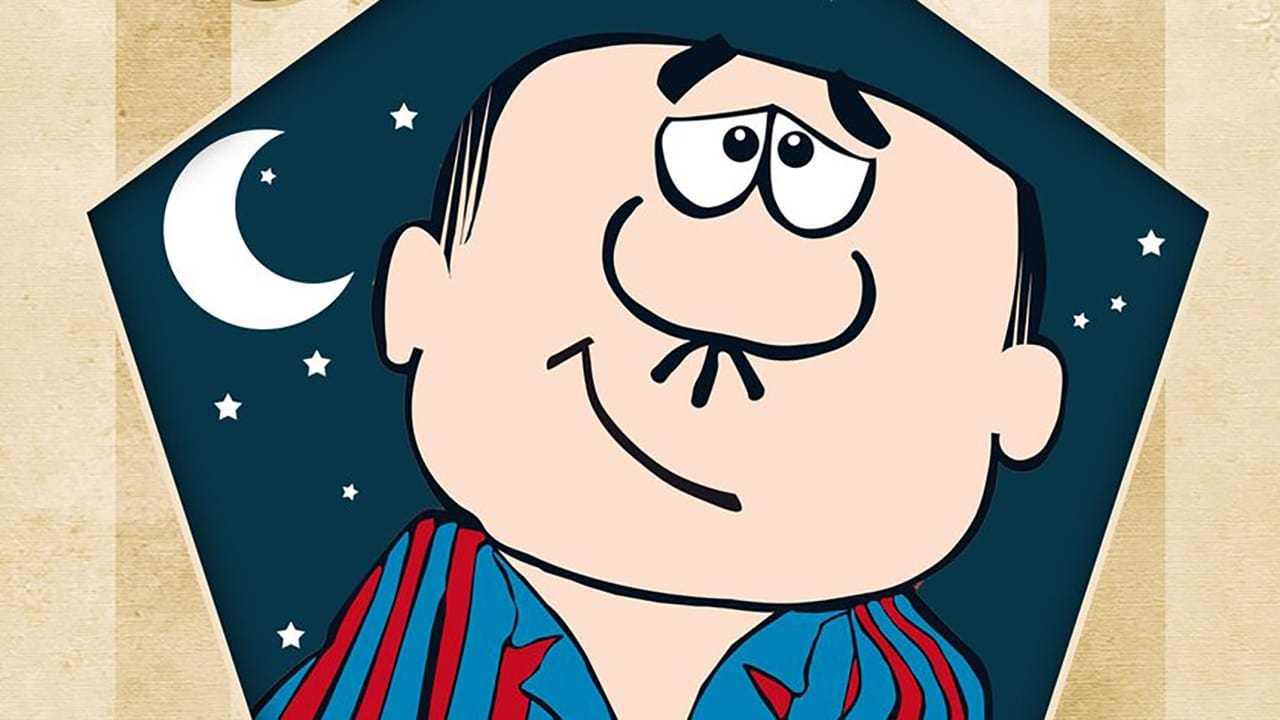
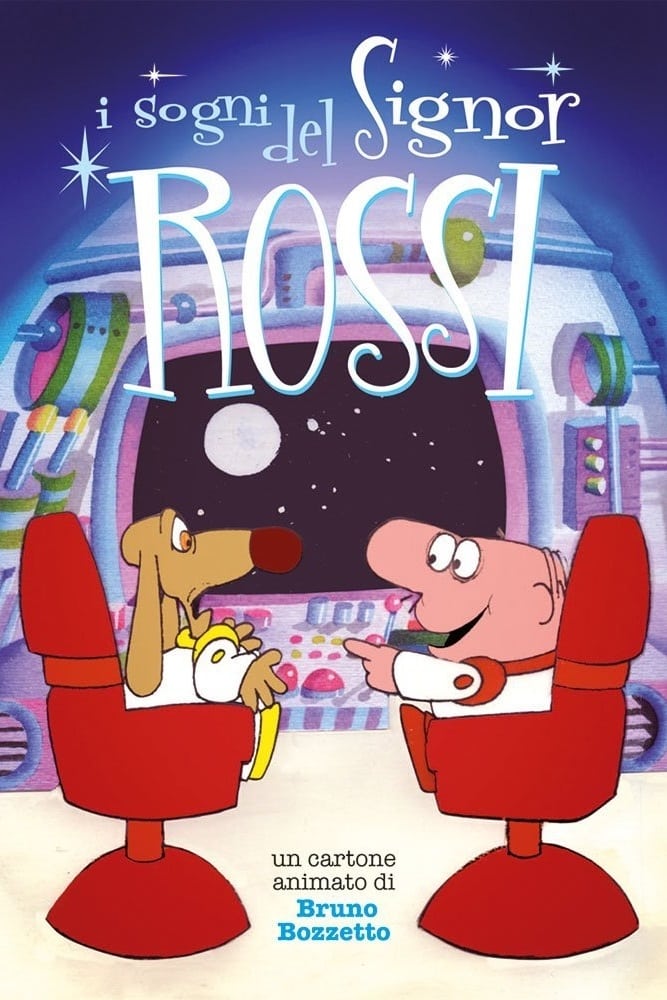
Mr. Rossi's Dreams
At the end of another week of work Rossi returns home with the intention of enjoying a quiet and peaceful weekend. He lives with Gastone, his dog-friend,who, after a week of loneliness, can't wait to go out, for instance to the movies, and have fun. Gastone as a matter of fact is a passionate fan of movies, television and heroes' books. He always compares Rossi with them and nags with a petulant : "Rossi, Rossi, if you only were...braver, stronger, richer...". His continuous complaints push Rossi to identify himself with those heroes; throughout the film we will meet Rossi-Tarzan, Rossi-Astronaut, Rossi-Sherlock Holmes, Rossi-Zorro, Rossi-Hollywood actor, Rossi-scientist, Rossi-Lancelot, Rossi-Aladdin. Eight fantastic adventures in which Rossi, along with faithful Gastone, relishes the joy of being a hero.
Insights
Plot Summary
A cynical Italian businessman named Mr. Rossi dreams of escaping his mundane and materialistic life. He yearns for a simpler existence, often imagining himself in various fantastical scenarios and alternative lives where happiness and fulfillment are paramount. However, the harsh realities of his job and societal expectations constantly pull him back to his uninspiring routine.
Critical Reception
While not a widely released international film, 'Mr. Rossi's Dreams' is celebrated in Italy as a classic of animated satire. Critics and audiences at the time appreciated its sharp commentary on consumerism and the search for meaning in modern life, delivered with Bozzetto's signature visual style and humor.
What Reviewers Say
Praised for its witty social commentary on the emptiness of consumer culture.
Applauded for Bruno Bozzetto's distinctive and imaginative animation style.
Seen as a relatable portrayal of the common man's desire for a more meaningful life.
Google audience: Audience reception information is not readily available for this specific film on Google.
Fun Fact
The character of Mr. Rossi first appeared in a series of short films by Bruno Bozzetto in the late 1960s and early 1970s, becoming an iconic figure representing the average Italian man grappling with modern society.
AI-generated overview · Verify ratings on official sources