
Movie spotlight
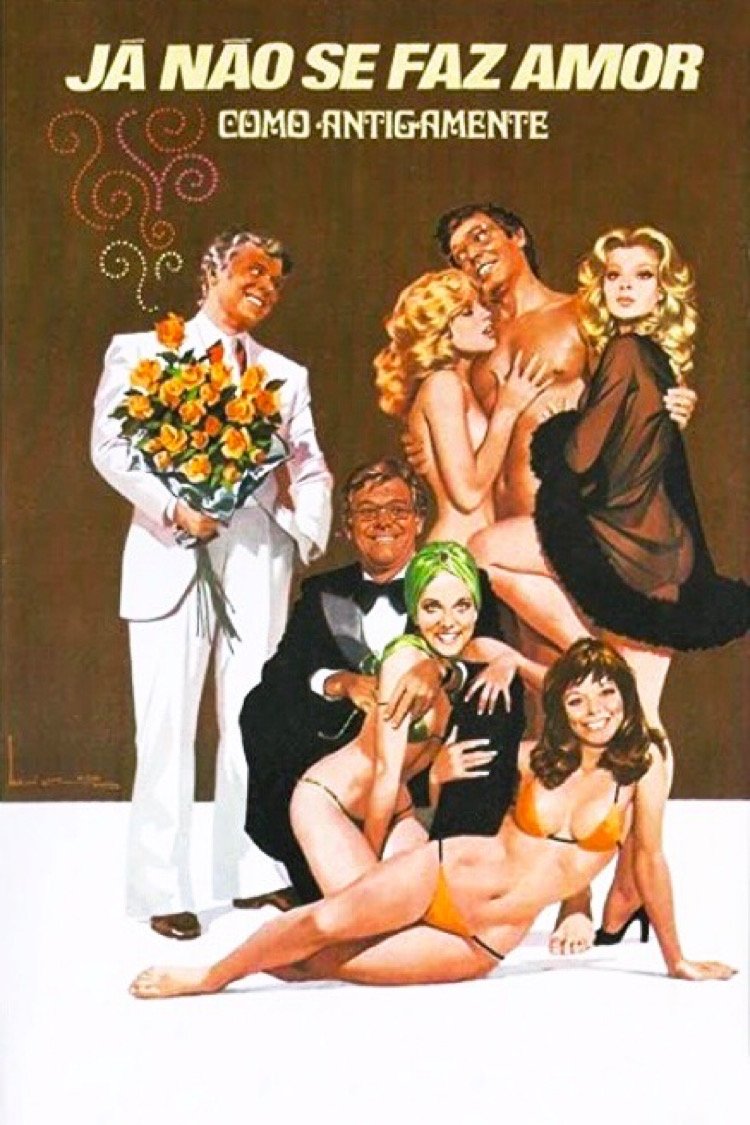
Já Não Se Faz Amor Como Antigamente
Film in three segments. In the first, father is suspicious about his son's masculinity. The second one shows a Don Juan-like guy who, at church for his own wedding, cannot remember who the bride might be. In the third, a rich husband tries to find the tattooed man he saw escaping through his wife's bedroom window.
Insights
Plot Summary
The film humorously explores the changing sexual mores and relationships in Portugal during the post-Carnation Revolution era. It follows various characters as they navigate new freedoms and evolving social norms, often with comical and sometimes poignant results. The narrative contrasts traditional values with emerging liberal attitudes, highlighting generational differences and the complexities of modern love and intimacy.
Critical Reception
Upon its release, 'Já Não Se Faz Amor Como Antigamente' was a significant film in the context of post-dictatorship Portuguese cinema, praised for its bold exploration of social themes and its comedic touch. While not a critical darling in the international sense, it resonated with Portuguese audiences for its timely and relatable portrayal of societal shifts.
What Reviewers Say
Praised for its sharp wit and satirical look at Portuguese society.
Appreciated for its candid portrayal of evolving sexual politics.
Seen as a significant marker of the era's cinematic freedom.
Google audience: Audience reception data is not readily available for this specific film through Google Reviews.
Fun Fact
The film's title, translating to 'They Don't Make Love Like They Used To Anymore', became a popular saying reflecting the cultural changes in Portugal during the 1970s.
AI-generated overview · Verify ratings on official sources