
Movie spotlight
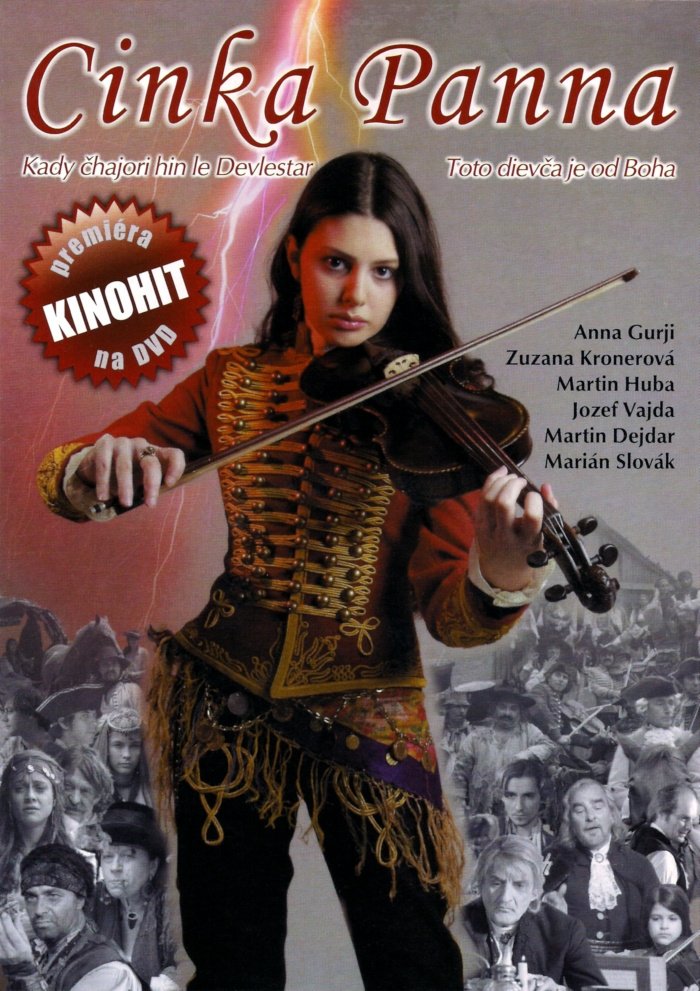
Cinka Panna
The most famous gypsy prima donna, Cinka Panna, lived and worked in the 18th century at the crossroads of two worlds: the aristocracy she played for and the gypsy community in which she lived her private life. A community that had its own rules of existence. In the spirit of tradition, she was sold into marriage. A young woman's desire is to succeed in a traditionally male profession. To become the first prima donna. But the goal requires sacrifice. Historical, narrative, the story captures a universal theme: the struggle for recognition and a place in the world. It reminds us that times and costumes change, but human problems remain... And these are what make the film's story timeless.
Insights
Plot Summary
Set in 19th century Hungary, Cinka Panna tells the story of a young Romani woman who defies societal expectations to pursue her passion for music. Against the backdrop of a nation undergoing significant change, Panna's journey is one of self-discovery and resilience. She navigates personal challenges and the prejudices of the era, striving to make her mark in a male-dominated world.
Critical Reception
Cinka Panna received a mixed to positive reception from critics, who often highlighted its historical setting and the lead performance. While some found the narrative pacing to be slow at times, others praised its thematic exploration of cultural identity and artistic struggle. Audience reception generally aligned with critical views, appreciating the film's visual style and emotional depth.
What Reviewers Say
Praised for its historical portrayal of 19th-century Hungary and Romani culture.
The lead performance was frequently noted as a strong point, conveying the character's determination.
Some critics found the pacing to be uneven, affecting the overall momentum of the story.
Google audience: Information on specific Google user reviews for 'Cinka Panna' is not widely available, making it difficult to summarize audience sentiment on that platform.
Fun Fact
The film was notably one of the first Hungarian productions to extensively explore the life and music of Romani people in a historical context.
AI-generated overview · Verify ratings on official sources