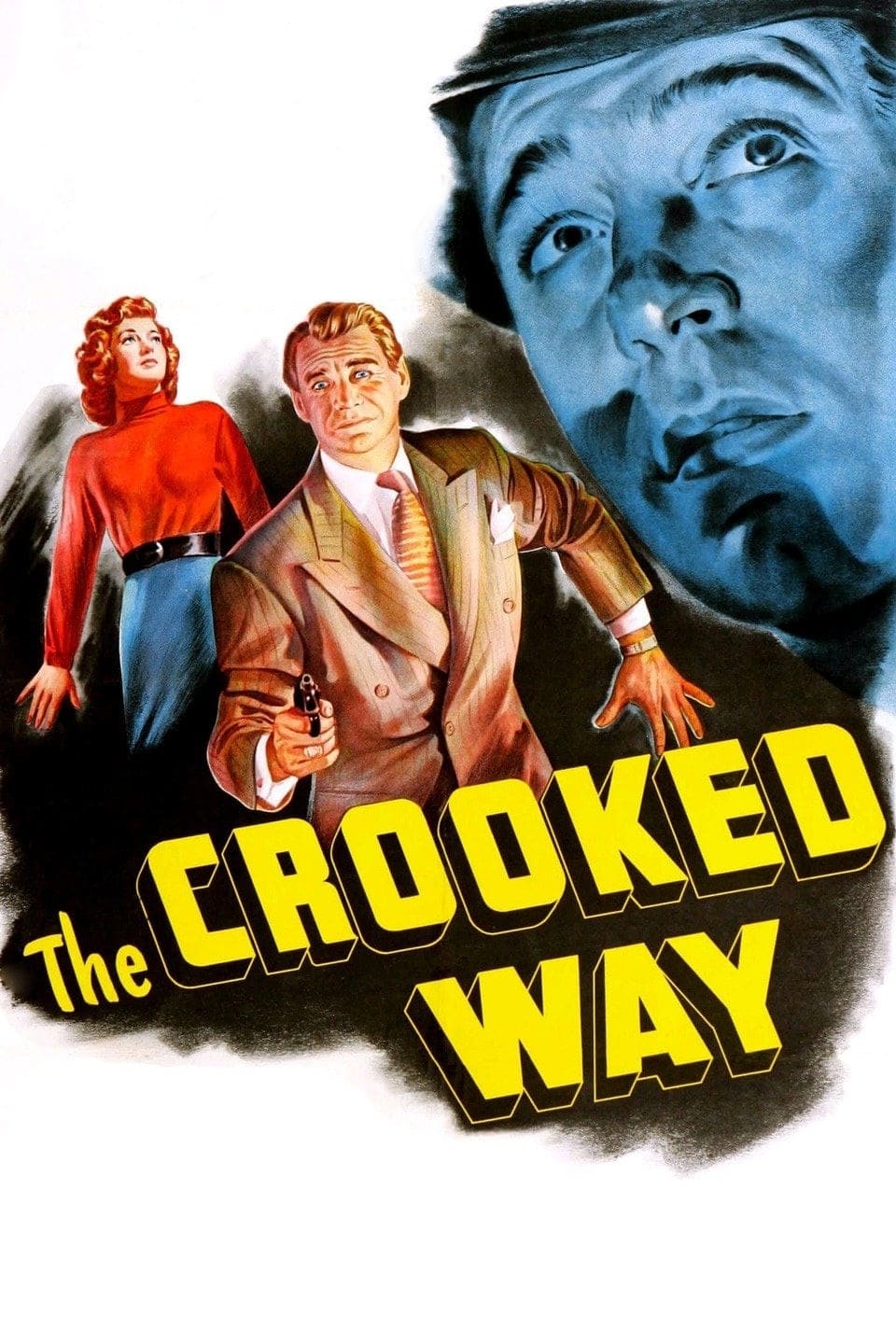
Director: Robert Florey•Genres: Film-Noir, Crime, Drama, Thriller
A World War II veteran haunted by his past gets entangled in a dangerous blackmail scheme. He is drawn back into the criminal underworld by a former associate and a seductive woman, forcing him to confront his own moral compromises. As the situation escalates, he must find a way to escape the deadly web he's caught in.
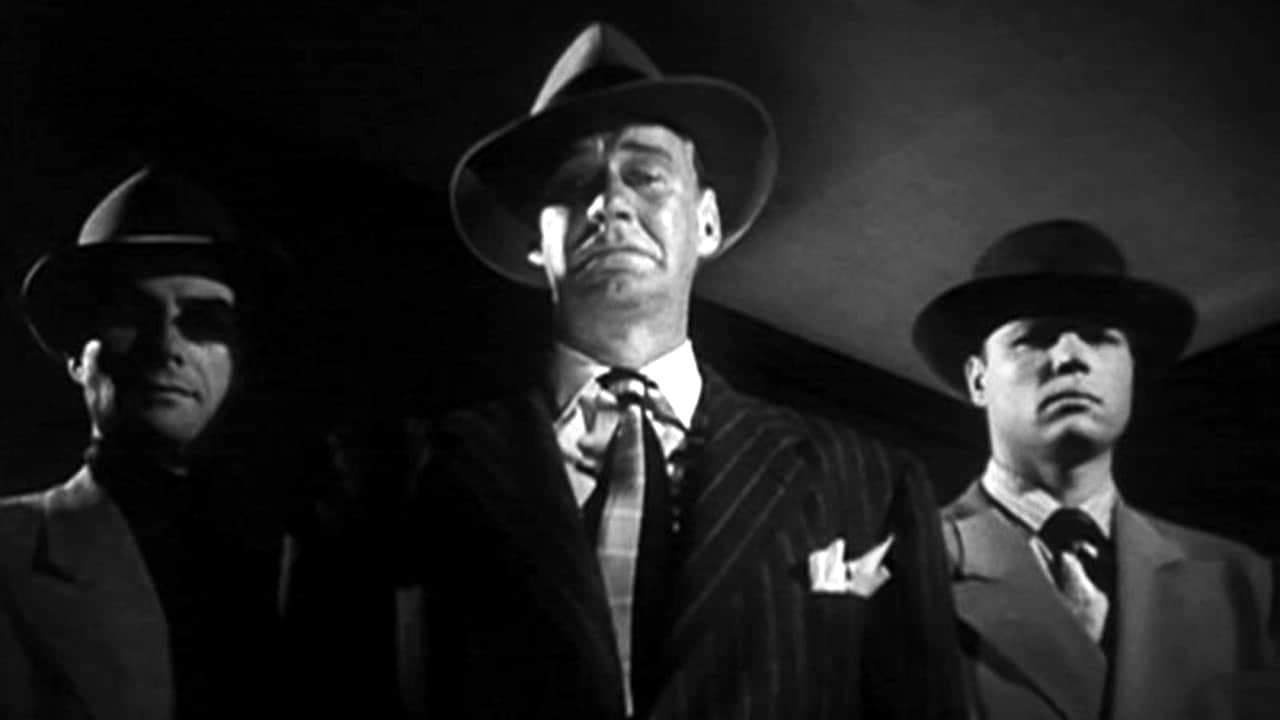
The Crooked Way was generally well-received by critics for its gritty atmosphere and suspenseful plotting, though some found its narrative to be somewhat convoluted. It is considered a solid example of post-war film noir, appreciated for its authentic portrayal of a troubled protagonist and its effective use of shadow and light.
Praised for its atmospheric noir style and tense suspense.
John Payne's performance as a tormented veteran was a highlight.
Some critics noted a predictable plot but appreciated the dark tone.
Google audience: Audience reception data for 'The Crooked Way (1949)' on Google is not readily available. General consensus from film noir enthusiasts points to it being an appreciated, albeit not widely discussed, entry in the genre.
The film's cinematographer, Ted McCord, was known for his masterful use of shadow and light, contributing significantly to the film noir atmosphere; he later worked on iconic films like 'The Treasure of the Sierra Madre' and 'East of Eden'.
AI-generated overview · Verify ratings on official sources