Movie spotlight
The Metropolitan Opera: Capriccio
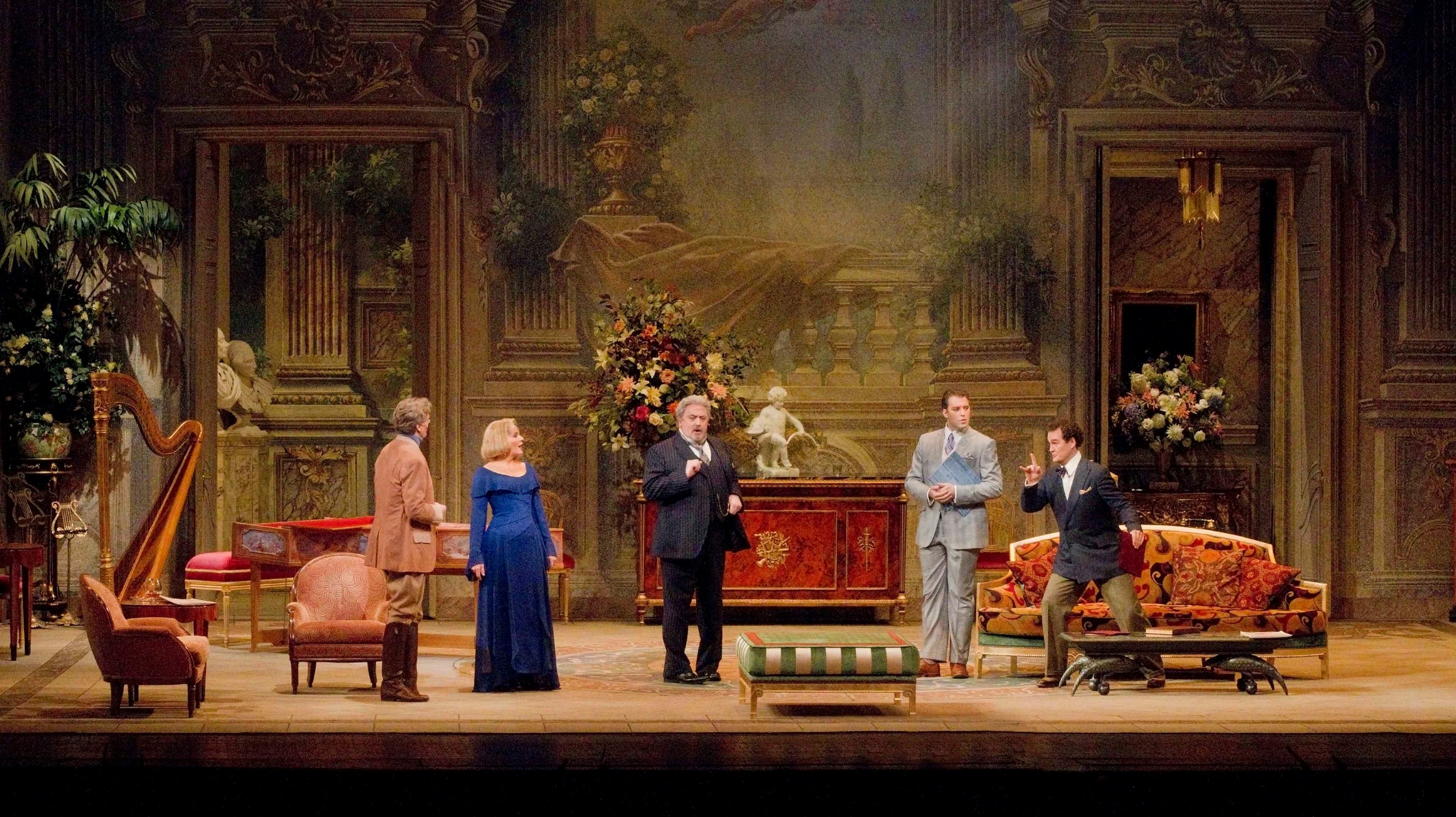
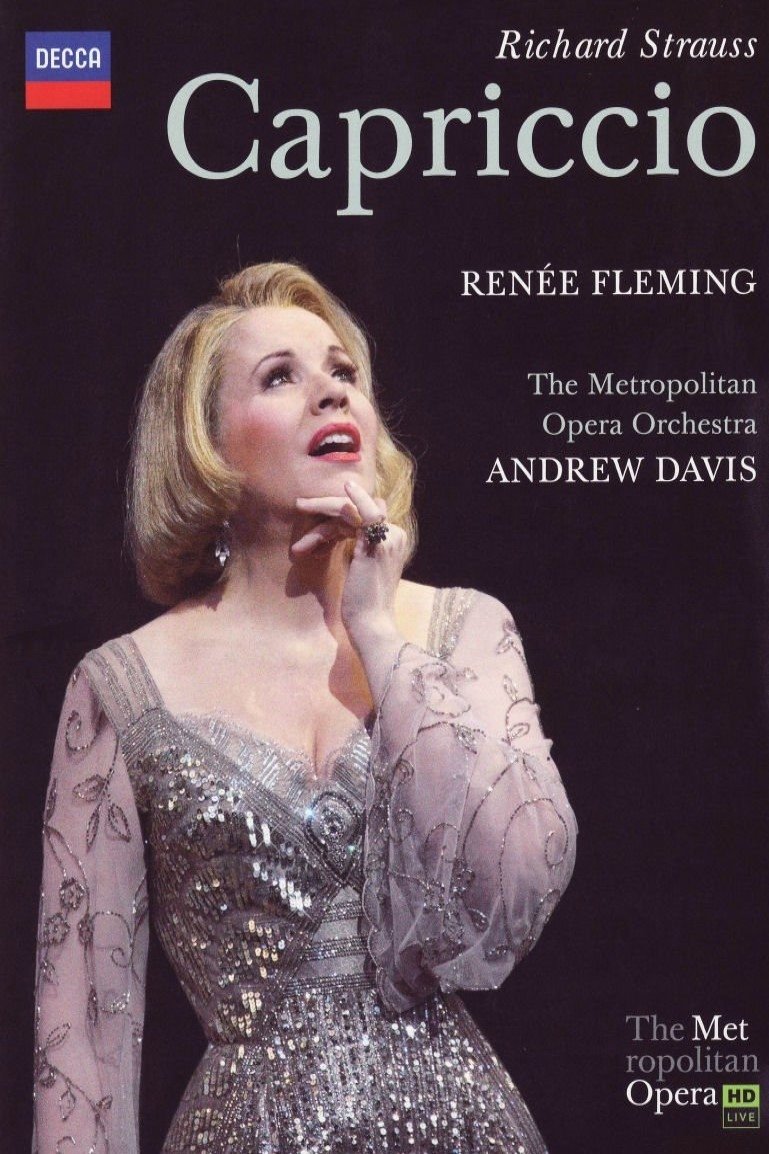
Renée Fleming is Countess Madeleine, the beautiful, enigmatic woman at the center of Strauss’s sophisticated “Conversation Piece for Music.” She is being courted by two men: Joseph Kaiser sings the composer, Flamand, and Russell Braun is Olivier, the poet. The stellar cast also includes Peter Rose as the theater director La Roche, Sarah Connolly as the actress Clairon, and Morten Frank Larsen as the Countess’s brother. John Cox’s elegant production places the action in the 1920s. Andrew Davis conducts.
Insights
Plot Summary
Set in 18th-century Paris, 'Capriccio' is Richard Strauss's final opera, exploring the timeless debate between music and words in art. The story follows the spirited Countess Madeleine as she navigates the affections of two suitors: the passionate poet Jacques and the discerning composer Olivier. As the opera unfolds, Madeleine must ultimately decide which art form – poetry or music – will best express her love and desires, leading to a witty and philosophical conclusion.
Critical Reception
The 2011 Metropolitan Opera production of 'Capriccio' was widely praised for its opulent staging and stellar cast, particularly Renée Fleming's poignant portrayal of Countess Madeleine. Critics lauded the opera's sophisticated blend of music and drama, though some found the libretto's philosophical musings less engaging than Strauss's earlier works. Overall, it was considered a distinguished production that showcased the Met's artistic prowess.
What Reviewers Say
Renée Fleming delivers a masterful and emotionally resonant performance as Countess Madeleine.
The production features lavish sets and costumes befitting the opera's sophisticated themes.
Strauss's late-career work is intellectually stimulating, though some find its conversational nature less immediately gripping than his earlier operas.
Google audience: Audience reviews often highlight the beauty of the music and the strength of the principal singers, particularly Renée Fleming. Many appreciated the intellectual depth of the opera, while some noted that its focus on the art of opera itself could be less accessible than more plot-driven works.
Fun Fact
Richard Strauss co-wrote the libretto for 'Capriccio' with Clemens Krauss, and it is notable for being his last opera, serving as a reflection on the art form itself.
AI-generated overview · Verify ratings on official sources