
Movie spotlight
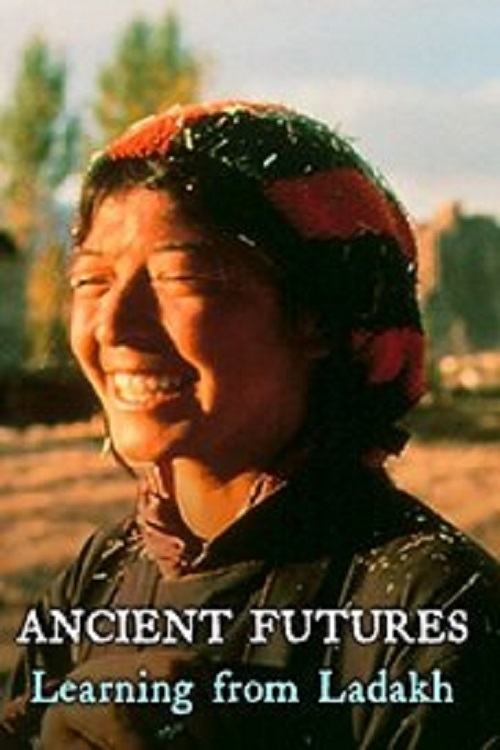
Ancient Futures: Learning from Ladakh
Ladakh, or Little Tibet, is a wildly beautiful desert land high in the western Himalayas. It is a place of few resources and an extreme climate. Yet, for more than a thousand years, it has been home to a thriving culture. Traditions of frugality and co-operation, coupled with an intimate and location-specific knowledge of the environment, enabled the Ladakhis not only to survive, but to prosper. Then came development. Now in Leh, the capital, one finds pollution and divisiveness, inflation and unemployment, intolerance and greed. Centuries of ecological balance and social harmony are under threat from modernisation. The breakdown of Ladakh's culture and environment forces us to re-examine what we really mean by progress - not only in the developing parts of the world, but in the industrialized world as well. The story of Ladakh teaches us about the root causes of environmental, social and psychological problems, and provides valuable guidelines for our own future.
Insights
Plot Summary
This documentary explores the traditional Ladakhi way of life in the Himalayas, contrasting it with the impacts of modernization and Westernization. It highlights the wisdom and sustainability of ancient cultures and raises concerns about the environmental and social consequences of development.
Critical Reception
Ancient Futures is widely regarded as a seminal documentary on the impacts of globalization and the merits of traditional cultures. It has been praised for its poignant message and its powerful visual documentation of a changing world, resonating with audiences concerned about environmentalism and cultural preservation.
What Reviewers Say
Praised for its insightful depiction of Ladakh's cultural heritage.
Commended for its stark portrayal of modernization's effects.
Applauded for its advocacy of sustainable living and cultural preservation.
Google audience: Audience reviews often highlight the film's profound impact in raising awareness about the loss of traditional cultures and the importance of sustainable development. Many viewers found it thought-provoking and inspirational.
Fun Fact
Helena Norberg-Hodge, the film's director and narrator, lived in Ladakh for many years and is fluent in the Ladakhi language, which lent an authentic voice to the documentary.
AI-generated overview · Verify ratings on official sources