
Movie spotlight
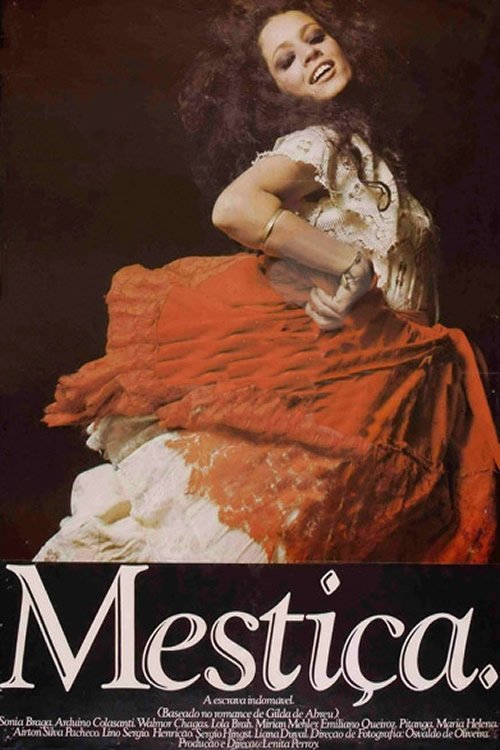
Mestiça, a Escrava Indomável
On a farm in rural Brazil in the 18th century, a new overseer arrives. He falls in love with one of the enslaved women, Mestiça, beloved by all the men. When a pair of silver earrings disappears from the farm and the overseer orders the leader of the enslaved women arrested, Mestiça decides to take revenge.
Insights
Plot Summary
Set in 19th-century Brazil, the film tells the story of Mestiça, a mulatto woman who is a slave. Despite her circumstances, she possesses an indomitable spirit and seeks freedom and self-determination. The narrative explores themes of oppression, resistance, and the fight for dignity in a society built on exploitation.
Critical Reception
Mestiça, a Escrava Indomável is considered a significant film in Brazilian cinema for its powerful portrayal of slavery and resistance. While critical reception at the time might have been limited internationally, its thematic depth and historical context have led to its recognition as a notable work that tackles difficult subjects with artistic merit.
What Reviewers Say
Praised for its raw depiction of the brutality of slavery.
Acclaimed for the strength and resilience of its female protagonist.
Noted for its historical significance in addressing Brazil's past.
Google audience: Information regarding specific Google user reviews and ratings for this film is not readily available.
Fun Fact
The film was part of a broader wave of Brazilian cinema in the 1970s that often explored social and political themes, sometimes allegorically, in response to the country's military dictatorship.
AI-generated overview · Verify ratings on official sources