Movie spotlight
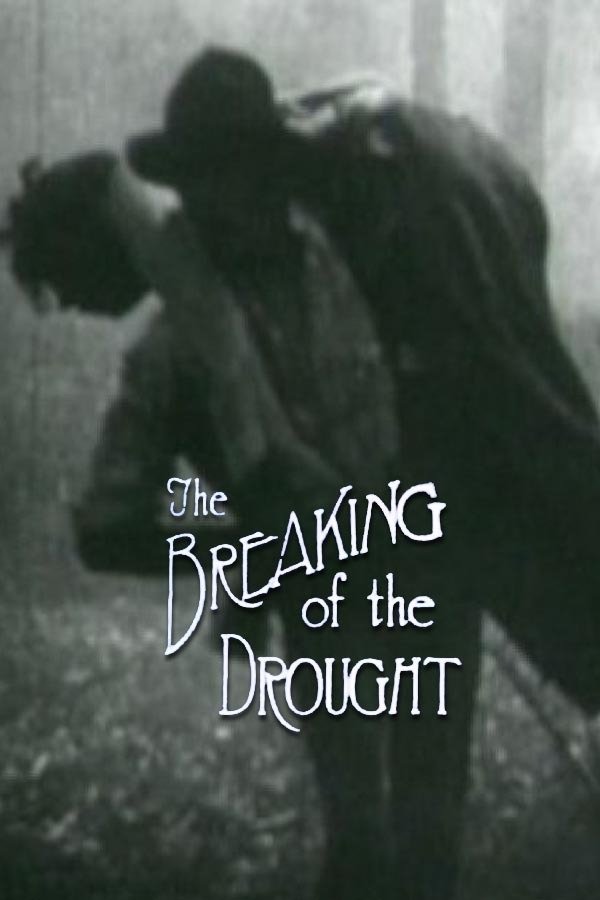
The Breaking of the Drought
Wallaby Station in the outback is devastated by drought. The sheep are starving, but Jo Galloway (Charles Beetham) and his wife (Nan Taylor) battle on. Their son Gilbert (Rawdon Blandford) falls in with the wrong crowd while studying medicine in Sydney: conman Varsy Lyddleton (John Faulkner) and the seductress Olive Lorette (Marie La Varre). Gilbert forges his mother’s cheques to pay for Olive’s favours, ruining the family. A bank takes ‘friendly possession’ of Wallaby Station. Gilbert’s sister Marjorie (Trilby Clark) keeps her brother out of jail, but he becomes a tramp, after Lyddleton murders Olive and kills himself. Marjorie’s suitor Tom Wattleby (Dunstan Webb) saves Gilbert from a bushfire, just as the drought breaks, restoring the family’s fortunes. Marjorie and Tom can now wed, as the sheep and cattle fatten on rich pasture.
Insights
Plot Summary
This silent film depicts the struggles and eventual relief experienced by Australian farmers during a severe drought. It highlights the resilience of the human spirit against the harsh realities of nature, showcasing the community's efforts to survive and thrive.
Critical Reception
As an early Australian silent film, specific critical reception data from its time is scarce. However, films of this nature were often created with a focus on national identity and social issues, likely garnering support for their depiction of Australian life and perseverance.
What Reviewers Say
Pioneering depiction of Australian rural struggles.
Emphasizes themes of hardship and community resilience.
Historically significant as an early nationalistic film.
Google audience: Information on Google user reviews for this film is not available due to its age.
Fun Fact
As one of the earliest feature films produced in Australia, 'The Breaking of the Drought' holds significant historical value in the country's cinematic landscape, though specific production details are limited in available records.
AI-generated overview · Verify ratings on official sources