Movie spotlight
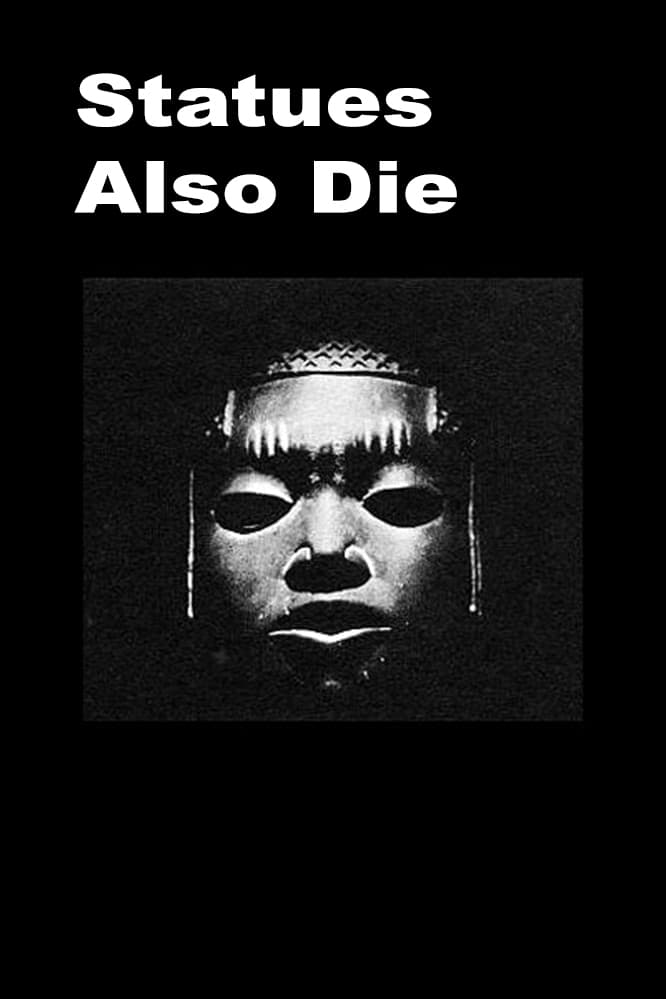
Statues Also Die
Commissioned by the journal Présence Africaine, this short documentary examines how African art is devalued and alienated through colonial and museum contexts. Beginning with the question of why African works are confined to ethnographic displays while Greek or Egyptian art is celebrated, the film became a landmark of anti-colonial cinema and was banned in France for eight years.
Insights
Plot Summary
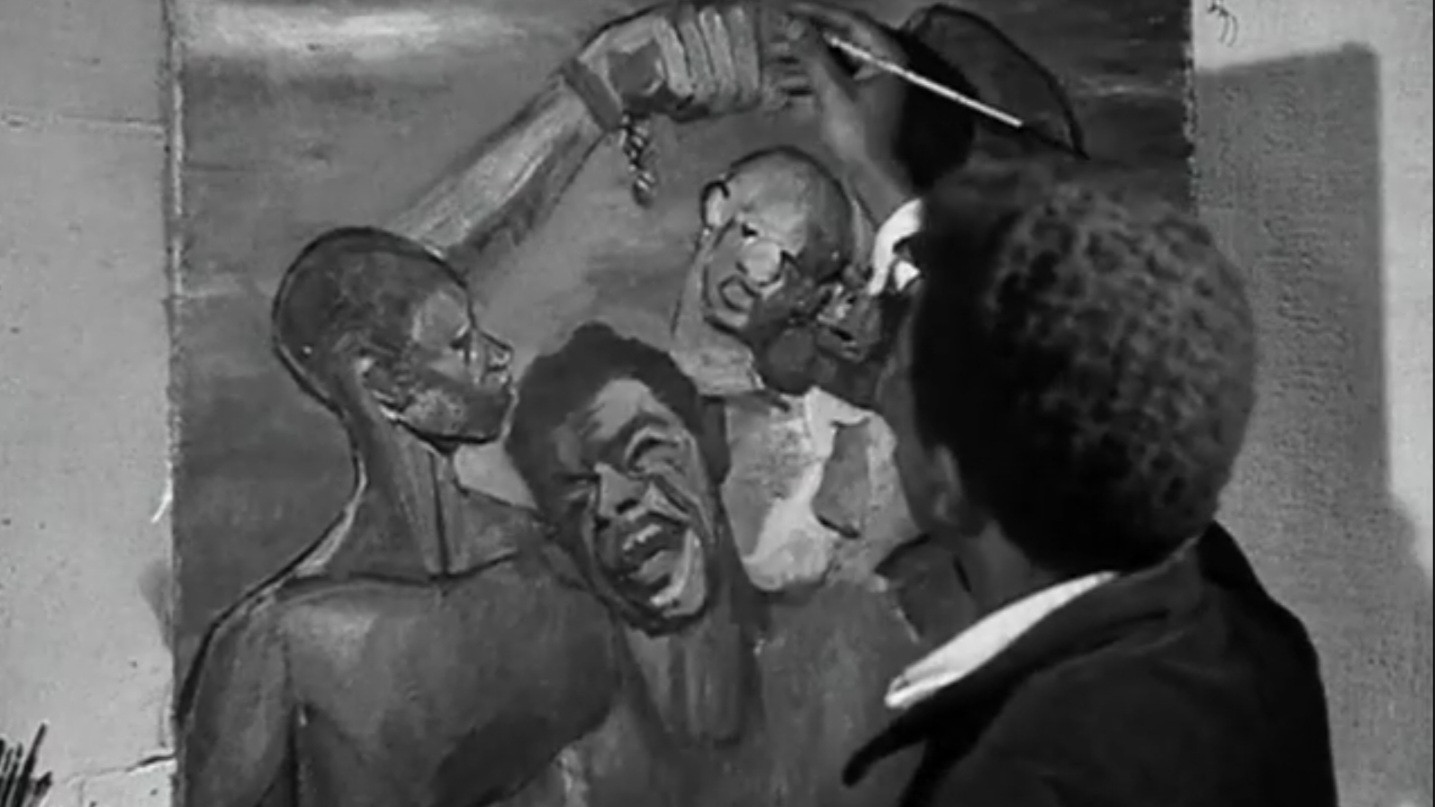
This short documentary explores the complex relationship between African art and its Western appropriation. It contrasts the vibrant life and cultural significance of African artifacts with their display in European museums, questioning the ethics of collecting and exhibiting objects stripped of their original context. The film uses a poetic and visually striking approach to ponder the fate of these objects and the cultures they represent.
Critical Reception
Praised for its intellectual depth and visual artistry, 'Statues Also Die' is considered a landmark in documentary filmmaking. Critics lauded its critical examination of colonialism's impact on cultural heritage and its innovative use of imagery and narration to provoke thought. It is recognized for its significant contribution to discussions on ethnographic film and post-colonial discourse.
What Reviewers Say
A profound and visually arresting meditation on art, culture, and appropriation.
Challenges viewers to reconsider the ethics of museum collections and cultural preservation.
Masterful direction and poetic narration create a thought-provoking experience.
Google audience: Information on specific Google user reviews for this short, older documentary is not readily available.
Awards & Accolades
Awarded the Grand Prix at the Cannes Film Festival for Short Film in 1954.
Fun Fact
The film was initially banned in France for several years due to its critical stance on the colonial powers' acquisition of African art.
AI-generated overview · Verify ratings on official sources