
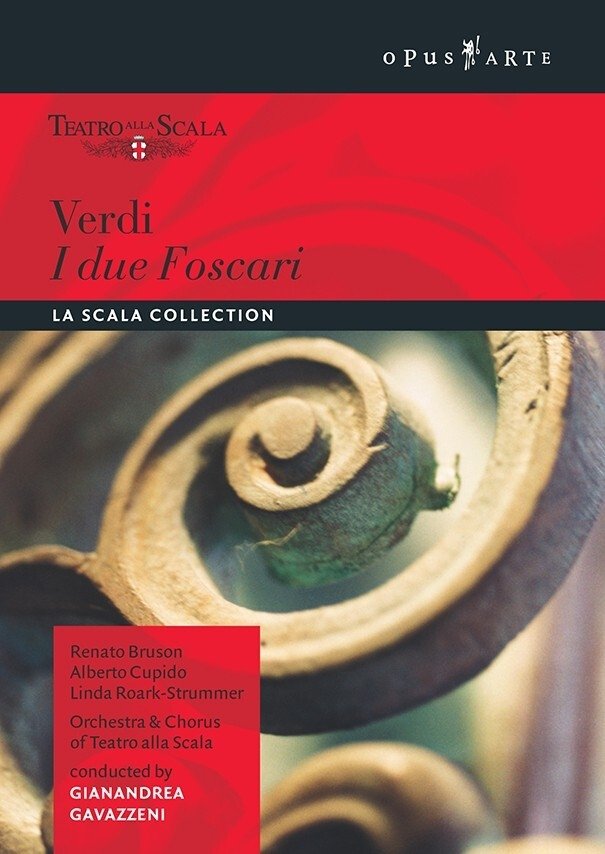
Insights
Plot Summary
Verdi's tragic opera "I due Foscari" unfolds in 15th-century Venice, centering on the Doge Francesco Foscari and his banished son, Jacopo. Despite the Doge's efforts to maintain his position, he is forced by the Council of Ten to condemn his own son to exile, a decision that leads to further tragedy. Jacopo's wife, Lucrezia, desperately pleads for his life, but the political machinations and relentless accusations seal his fate. The opera culminates in the Doge's forced abdication and subsequent death, a poignant testament to the destructive power of political duty over familial love.
Critical Reception
This televised production of Verdi's 'I due Foscari' is primarily appreciated by opera enthusiasts for its faithful rendition of the score and the performances of its seasoned cast, particularly Nicolai Ghiaurov as the Doge. While critically acclaimed within specialized circles for its musical integrity, its dramatic impact on a broader audience might be less pronounced compared to more frequently staged operas. However, it is recognized as a valuable document of a significant work in Verdi's early output.
What Reviewers Say
Praised for the strong vocal performances, especially Nicolai Ghiaurov.
Recognized for its musical fidelity to Verdi's score.
A valuable historical document for opera aficionados.
Google audience: Audience reception data for this specific 1988 television production is not readily available. However, Verdi's 'I due Foscari' is generally appreciated by opera lovers for its dramatic intensity and beautiful music.
Fun Fact
This 1988 production was part of a significant effort to record and disseminate less frequently performed operas by major composers like Verdi, making them accessible to a wider audience through television and home video.
AI-generated overview · Verify ratings on official sources