Movie spotlight
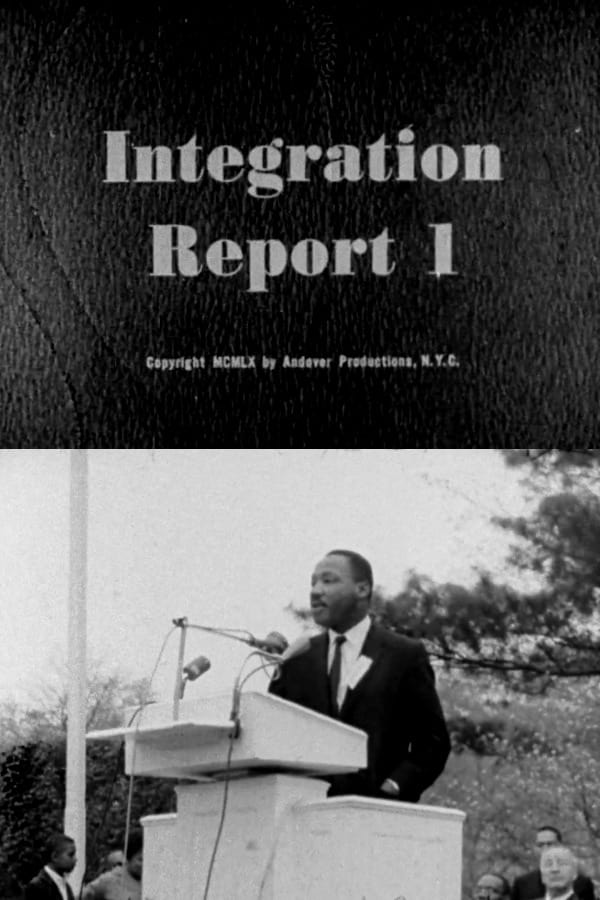
Integration Report 1
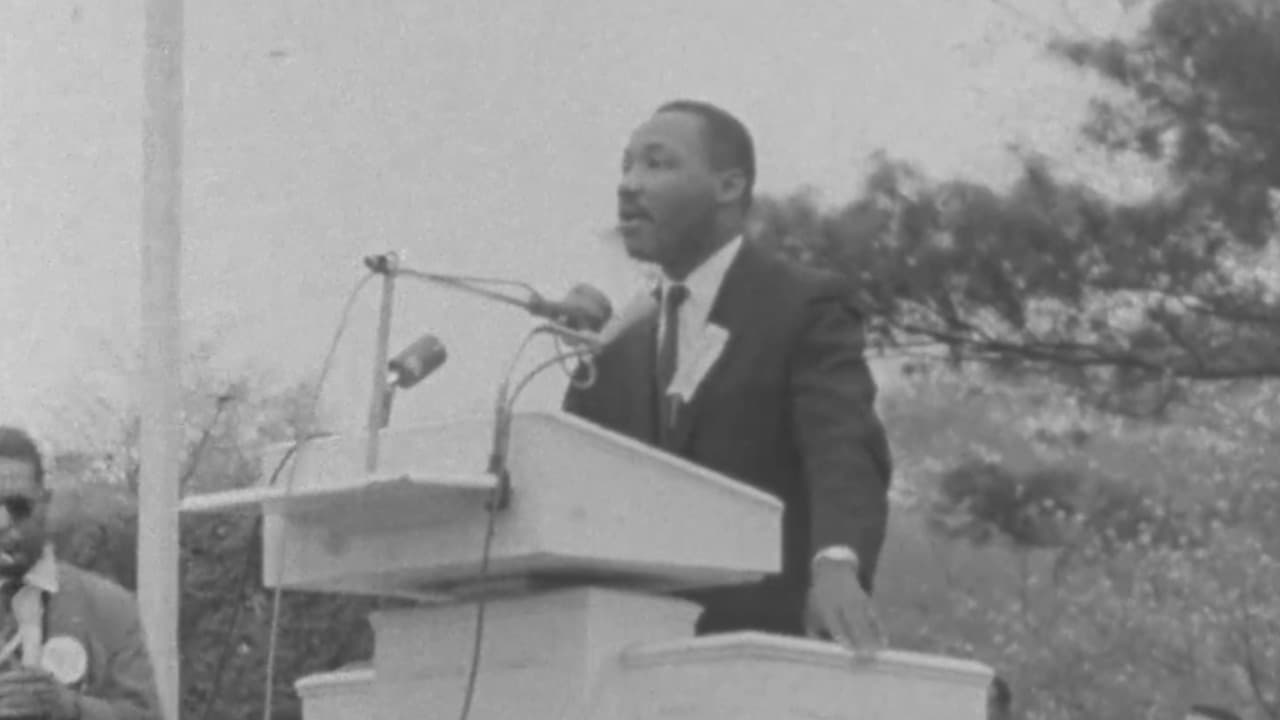
Integration Report 1, Madeline Anderson's trailblazing debut, was the first known documentary by an African American female director. With tenacity, empathy and skill, Anderson assembles a vital record of desegregation efforts around the country in 1959 and 1960, featuring footage by documentary legends Albert Maysles and Richard Leacock and early Black cameraman Robert Puello, singing by Maya Angelou, and narration by playwright Loften Mitchell. Anderson fleetly moves from sit-ins in Montgomery, Alabama to a speech by Martin Luther King Jr. in Washington, D.C. to a protest of the unprosecuted death in police custody of an unarmed Black man in Brooklyn, capturing the incredible reach and scope of the civil rights movement, and working with this diverse of footage, as she would later say, “like an artist with a palette using different colors.”
Insights
Plot Summary
This documentary explores the early stages of racial integration in various American institutions during a pivotal period. It examines the challenges and successes faced by individuals and communities striving for equality. The film highlights the social and political climate of the era, showcasing firsthand accounts and expert opinions on the integration process.
Critical Reception
As an archival documentary focusing on historical events, critical reception is primarily evaluated through its historical significance and accuracy rather than traditional film reviews. It is recognized for its contribution to understanding the Civil Rights Movement.
What Reviewers Say
Valuable historical document of early integration efforts.
Offers a snapshot of societal attitudes and challenges.
Provides important context for the Civil Rights Movement.
Google audience: N/A
Fun Fact
This film was produced by the United States Information Agency (USIA) to showcase American progress in civil rights to international audiences during the Cold War.
AI-generated overview · Verify ratings on official sources