
Movie spotlight
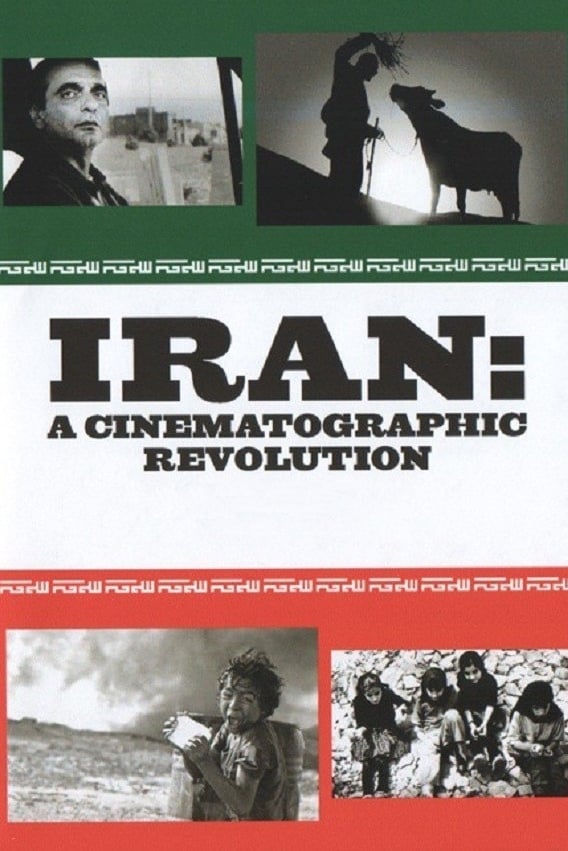
Iran: A Cinematographic Revolution
Today Iranian cinema is one of the most highly regarded national cinemas in the world, regularly winning festival awards and critical acclaim for films which combine remarkable artistry and social relevance. Iran: A Cinematographic Revolution traces the development of this film industry, which has always been closely intertwined with the country's tumultuous political history, from the decades-long reign of Reza Shah Pahlevi and his son, the rise of Khomeini and the birth of the Islamic Republic, the seizure by militants of the U.S. Embassy in Tehran, and the devastating war with Iraq.
Insights
Plot Summary
This documentary explores the vibrant and diverse landscape of Iranian cinema following the 1979 revolution. It delves into how filmmakers navigated censorship and societal restrictions to create powerful and internationally acclaimed works. The film highlights key directors and their distinct styles, showcasing the resilience and creativity of Iranian filmmaking.
Critical Reception
The documentary was generally well-received by critics for its insightful exploration of a rich cinematic tradition. It was praised for providing a comprehensive overview of Iranian cinema's evolution and its ability to transcend political and social barriers. Audiences appreciated the access to interviews with prominent directors and the examination of the films' thematic depth.
What Reviewers Say
Offers a compelling and accessible introduction to Iranian cinema's post-revolution era.
Effectively showcases the artistic integrity and resilience of Iranian filmmakers.
Provides valuable context for understanding the challenges and triumphs of a unique national cinema.
Google audience: Information not available.
Fun Fact
The documentary features interviews with many of the most influential figures in Iranian cinema, including Abbas Kiarostami, Mohsen Makhmalbaf, and Jafar Panahi, offering rare insights into their creative processes and philosophies.
AI-generated overview · Verify ratings on official sources