A Portrait of Shunkin
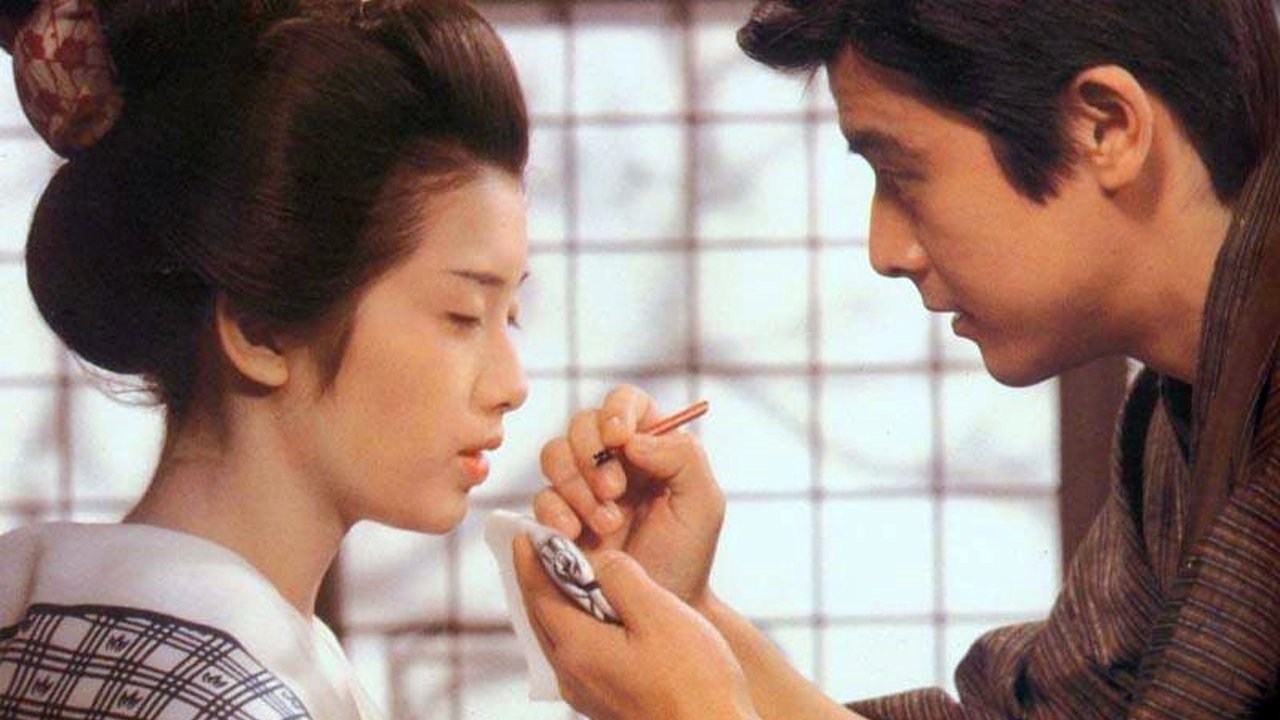
Okoto is blind since childhood. Her young servant Sasuke is in love of her. One day Koto is badly scarred on her face. In order to preserve the memory of her once beautiful face, Sasuke takes away his own sight.
Insights
Plot Summary
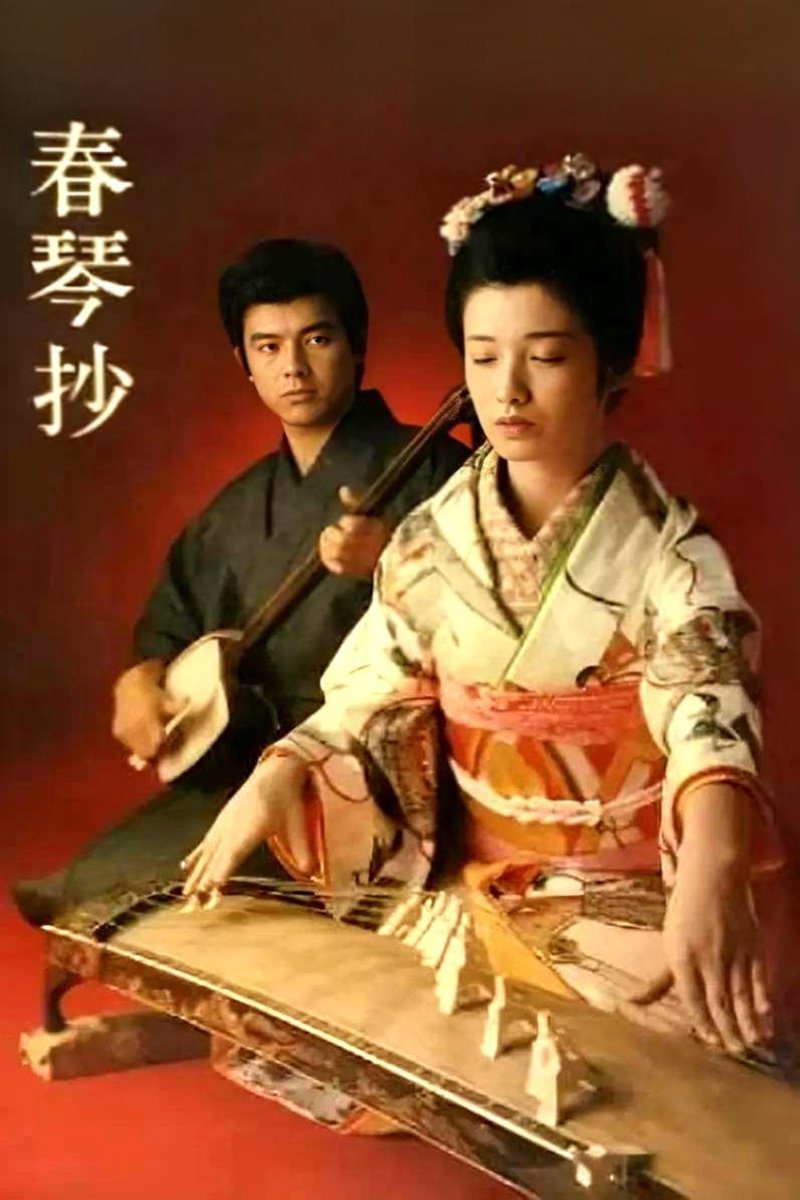
Based on Junichiro Tanizaki's novel, this film tells the story of the complex and obsessive relationship between a blind Koto musician, Shunkin, and her devoted servant and student, Sasuke. Shunkin is portrayed as an arrogant and capricious woman, while Sasuke's love for her borders on masochism, as he willingly endures her cruelty and sacrifices his own ambitions to fulfill her every whim. Their relationship evolves into a dark and passionate entanglement, blurring the lines between love, devotion, and suffering.
Critical Reception
A Portrait of Shunkin is widely regarded as a significant work in Japanese cinema, lauded for its artistic direction and exploration of dark, psychological themes. Critics have praised its faithfulness to Tanizaki's novel and its intense portrayal of a twisted yet profound human connection. While its subject matter is challenging, its cinematic execution and thematic depth have earned it critical acclaim.
What Reviewers Say
- Praised for its faithful adaptation of Tanizaki's complex narrative.
- Noted for its intense and often disturbing portrayal of devotion and obsession.
- Commended for Shinoda's masterful direction and the powerful performances.
Google audience: Audience reception is not widely documented through specific Google user reviews for this film, but critical consensus highlights its artistic merit and challenging themes.
Awards & Accolades
Nominated for the Palme d'Or at the 1977 Cannes Film Festival.
Fun Fact
The film's visual style is heavily influenced by traditional Japanese art and aesthetics, with cinematographer Kazuo Miyagawa, known for his work on Akira Kurosawa's "Rashomon," creating striking imagery that complements the story's themes.
AI-generated overview · Verify ratings on official sources