Movie spotlight
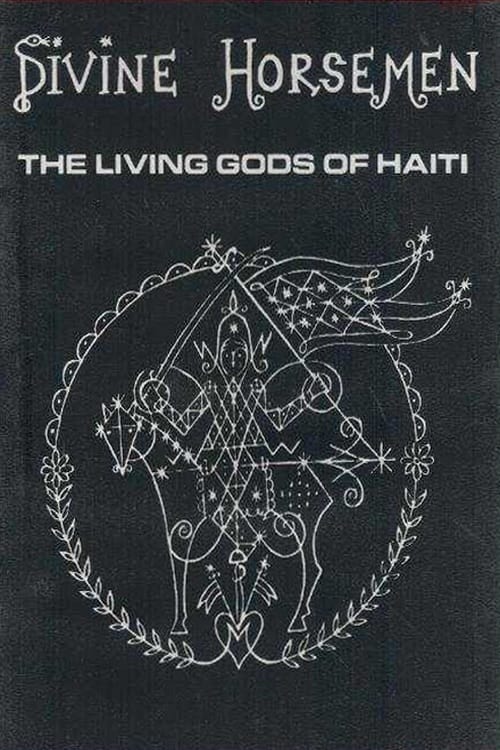
Divine Horsemen: The Living Gods of Haiti
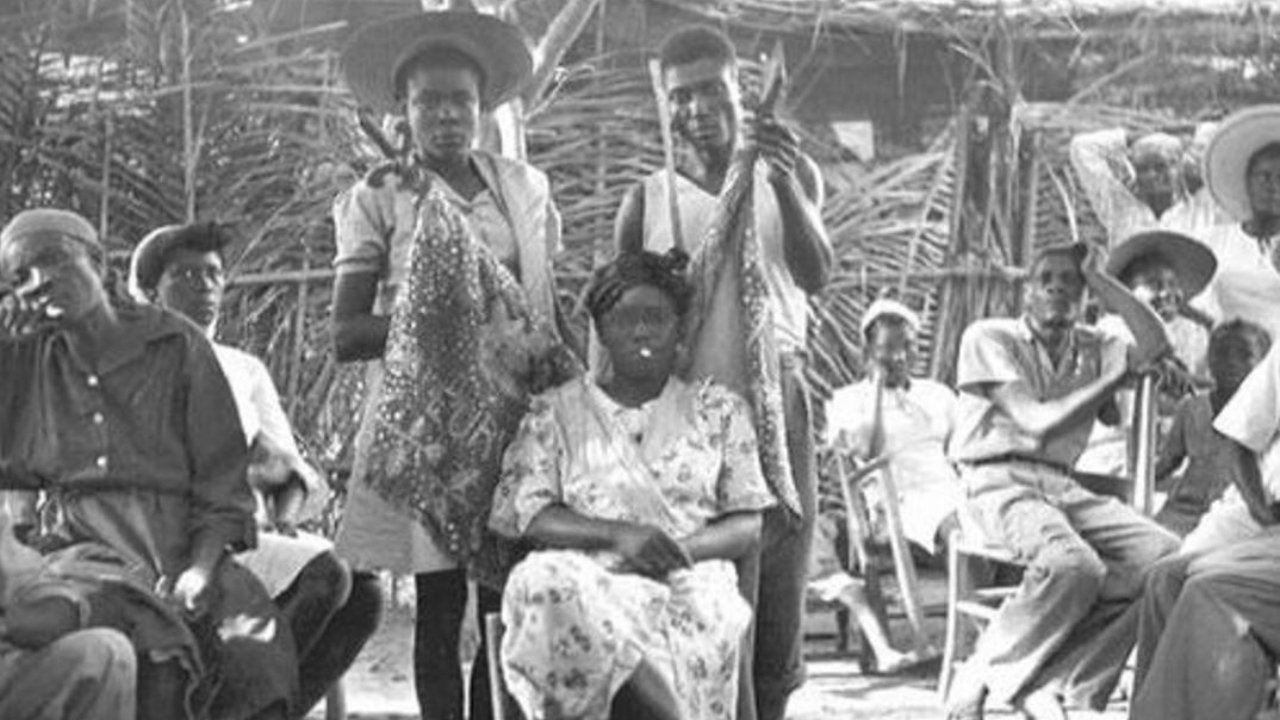
This intimate ethnographic study of Voudoun dances and rituals was shot by Maya Deren during her years in Haiti (1947-1951); she never edited the footage, so this “finished” version was made by Teiji Ito and Cherel Ito after Deren’s death.
Insights
Plot Summary
This documentary delves into the complex and often misunderstood world of Haitian Vodou. Through footage shot in Haiti in the 1950s, it explores the rituals, beliefs, and practices associated with the 'Loa,' the spirits or deities of Vodou. The film captures ceremonies and daily life, aiming to provide an authentic glimpse into a vibrant spiritual tradition.
Critical Reception
While not a mainstream film, 'Divine Horsemen' is highly regarded within ethnographic and documentary film circles for its groundbreaking anthropological insight and artistic vision. Critics acknowledge Maya Deren's dedicated efforts to respectfully portray a culture often subject to misrepresentation.
What Reviewers Say
Praised for its ethnographic value and artistic merit.
Seen as an essential, if sometimes challenging, document of Haitian Vodou.
Appreciated for Deren's unique approach to capturing spiritual experiences.
Google audience: Due to its niche status and the age of the film, specific Google user reviews are not widely available. However, it is generally considered a significant work for those interested in anthropology and world religions.
Fun Fact
Maya Deren lived in Haiti for several years and became deeply immersed in Vodou practices, even undergoing initiation ceremonies, to make this film, though much of her footage was not edited or released until after her death.
AI-generated overview · Verify ratings on official sources