
Movie spotlight
Ciguri – Tarahumaras 98 - La Danse Du Peyotl
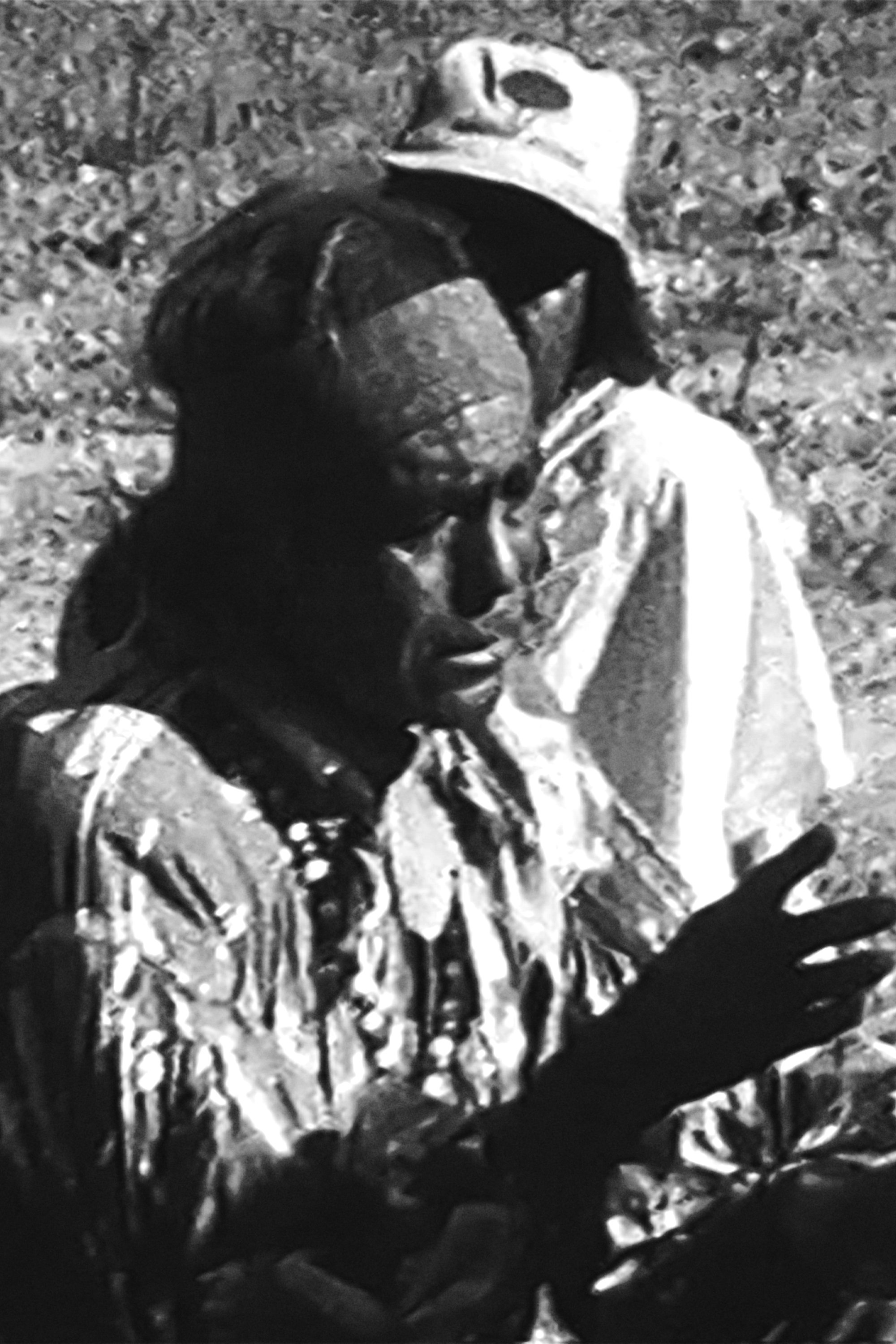
A documentary cycle involving the Rarámuri or Tarahumara people of Northern Mexico. This film addresses rites of winter as well as peyote and bakaka rites. Its commentary, read by Raymonde Carasco and Jean Rouch, is drawn from texts by Antonin Artaud.
Insights
Plot Summary
This documentary explores the indigenous Tarahumara people of Mexico, known for their incredible endurance running and their deep spiritual connection to the peyote cactus. Filmed in 1998, it offers a rare glimpse into their traditional way of life, their rituals, and their unique relationship with the natural world. The film captures the essence of their culture, emphasizing their connection to the land and their ancestral practices.
Critical Reception
As a niche documentary focused on cultural anthropology and indigenous practices, "Ciguri – Tarahumaras 98 - La Danse Du Peyotl" did not receive widespread mainstream critical reviews. Its reception is primarily within academic and documentary film circles, where it is appreciated for its ethnographic value and authentic portrayal of the Tarahumara culture.
What Reviewers Say
Praised for its ethnographic depth and respectful portrayal of indigenous traditions.
Valued for offering a rare insight into the Tarahumara people's unique culture and spiritual practices.
Noted for its visual documentation of rituals and the Tarahumara's connection to their environment.
Google audience: Information regarding specific Google user reviews for this documentary is not readily available, suggesting it has a limited audience distribution beyond specialized film or anthropological communities.
Fun Fact
The Tarahumara people are famed for their ability to run hundreds of miles without tiring, a feat often attributed to their diet, lifestyle, and spiritual practices, which this documentary aims to explore.
AI-generated overview · Verify ratings on official sources