deepkino
Besides being a sweet, pastoral mockumentary that doesn't tire the viewer, it's a work that lightly touches upon some of the impasses in the Balkans and Western Europe! Its significant distance from cliché Hollywood films is an added plus.
Movie spotlight
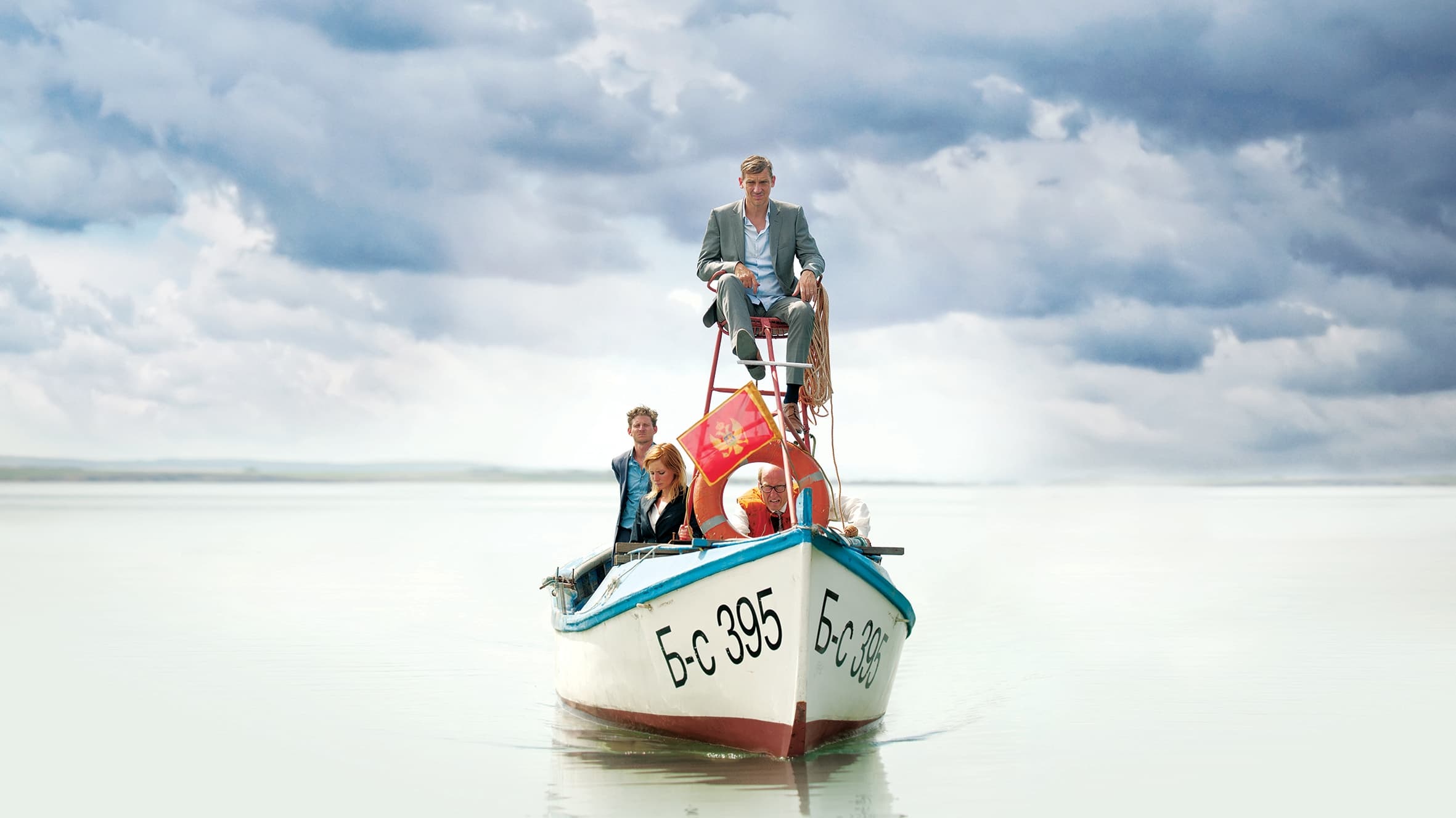
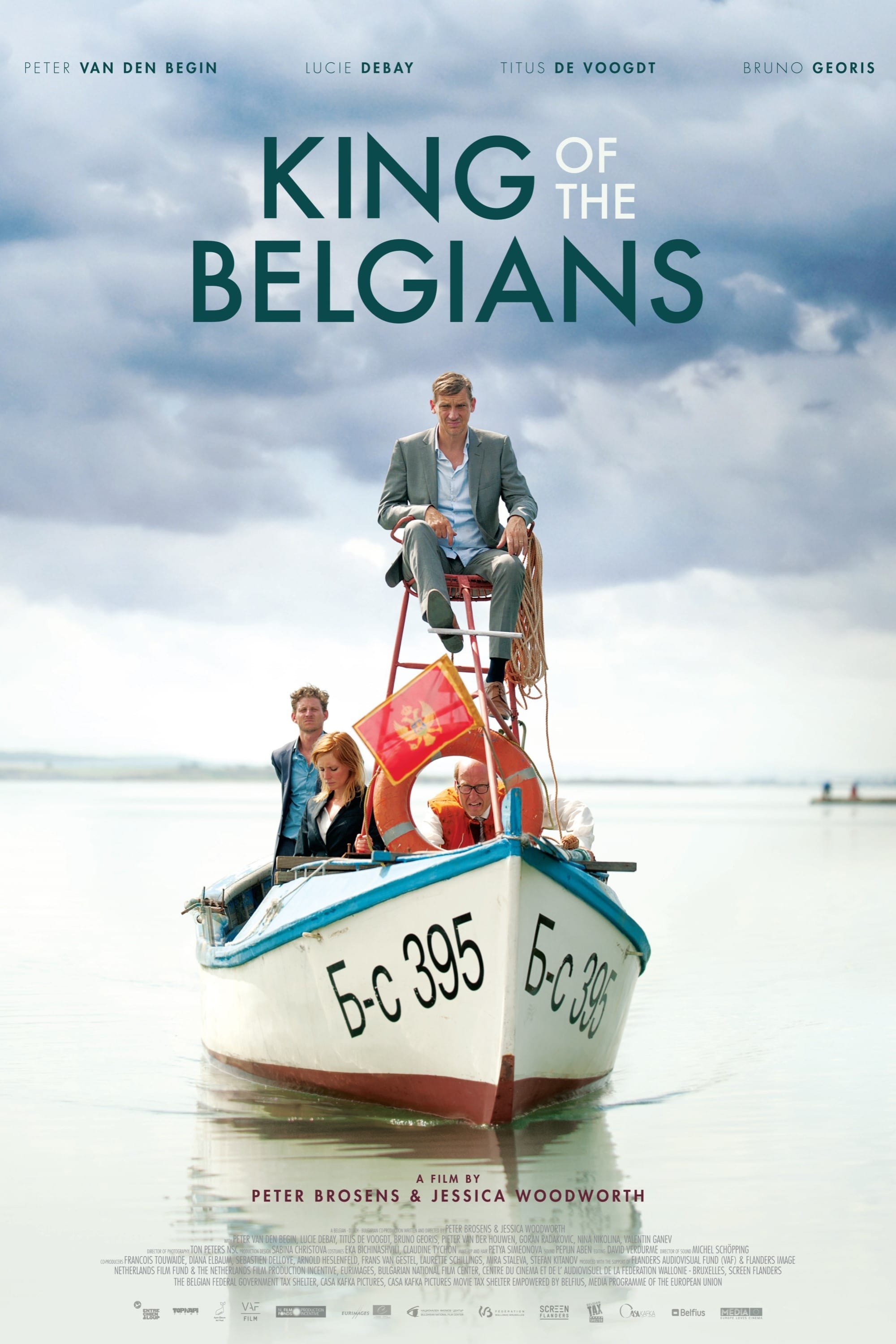
The King of the Belgians is on a state visit in Istanbul when his country falls apart. He must return home at once to save his kingdom. But a solar storm causes airspace and communications to shut down. No planes. No phones. With the help of a British filmmaker and a troupe of Bulgarian folk singers, the King and his entourage manage to escape over the border. Incognito. Thus begins an odyssey across the Balkans during which the King discovers the real world - and himself.
When the Belgian king's visit to Istanbul coincides with Catalonia's declaration of independence, he becomes stranded and is forced on an unexpected journey across the Balkans. Accompanied by a documentary filmmaker and his crew, the monarch must navigate a series of bizarre encounters and cultural misunderstandings as he attempts to return home and address his nation. The film humorously explores themes of national identity and the absurdity of political situations.
King of the Belgians received a generally positive reception, with critics often praising its quirky humor, inventive premise, and timely political commentary. While some found the mockumentary style occasionally uneven, many appreciated its unique blend of satire and character-driven comedy.
Applauded for its unique and timely mockumentary approach to political satire.
Praised for its witty dialogue and absurdist humor.
Some reviewers noted pacing issues but generally found it an inventive and engaging film.
Google audience: Audience reviews often highlight the film's clever satire and eccentric charm, with many enjoying the unexpected journey of the stranded king. Some viewers found the humor a bit too dry or the plot meandering at times, but overall, it was seen as an original and thought-provoking comedy.
Nominated for Best Film at the Ghent Film Festival.
The film was shot in various locations across Europe, including Brussels, Istanbul, and the Balkans, to capture the sprawling and often chaotic nature of the king's journey.
AI-generated overview · Verify ratings on official sources
Besides being a sweet, pastoral mockumentary that doesn't tire the viewer, it's a work that lightly touches upon some of the impasses in the Balkans and Western Europe! Its significant distance from cliché Hollywood films is an added plus.