
Movie spotlight
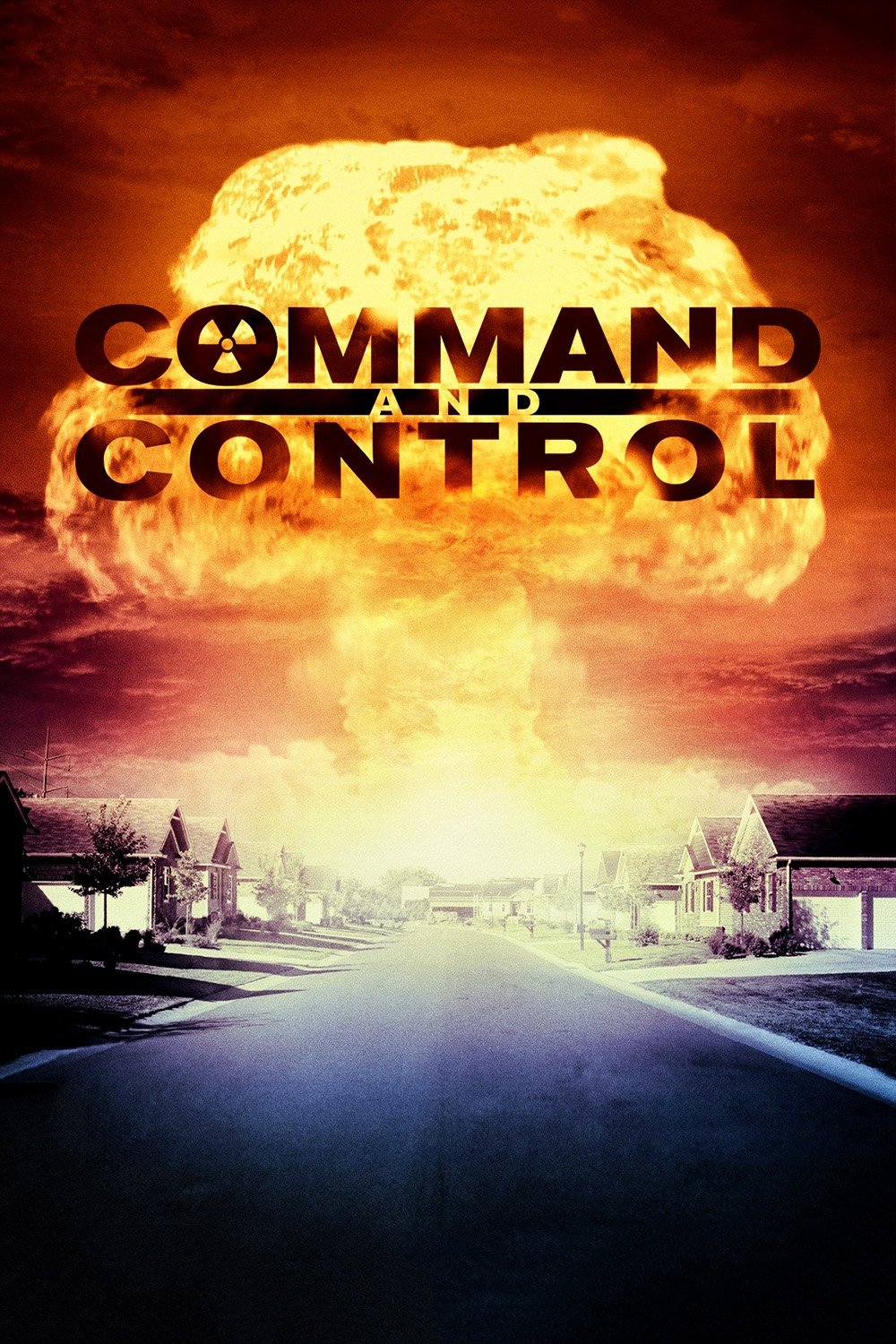
Command and Control
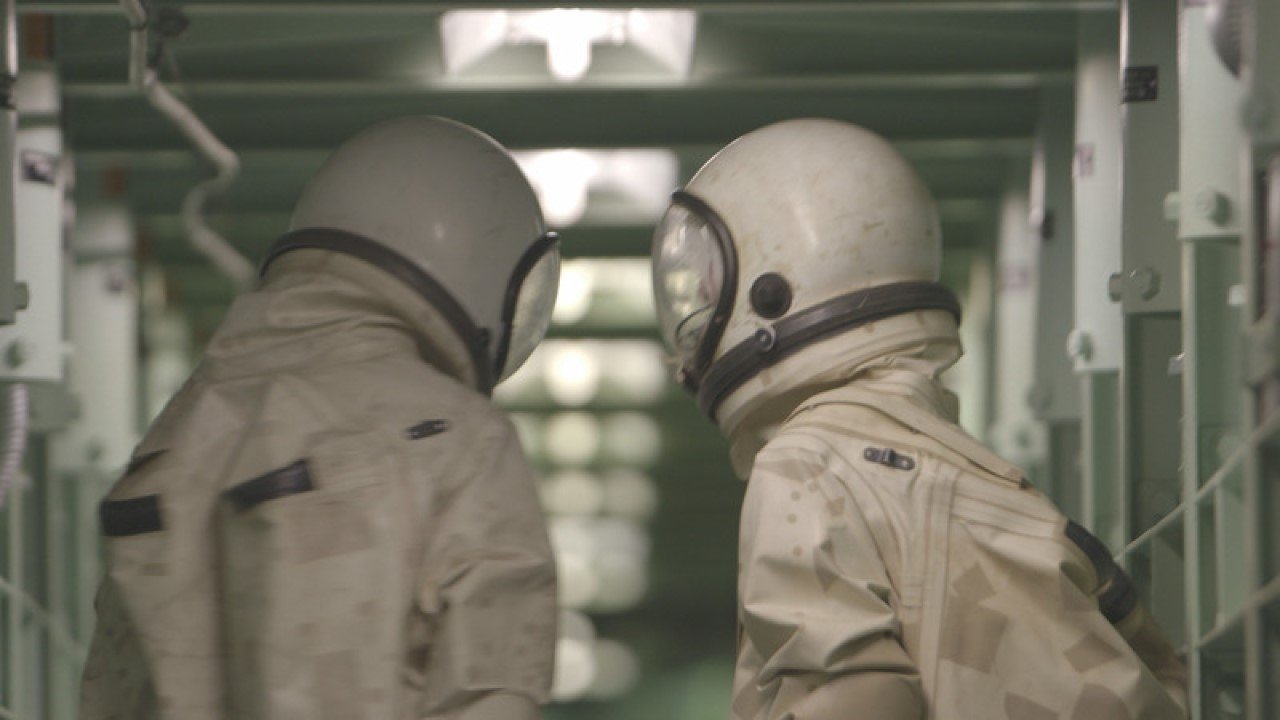
September 18, 1980, 6:25 p.m., Titan II base in Damascus, Arkansas. On this fateful night an explosion kills an Air Force member and transforms the lives of everyone on the base. Honing in on a single case of so-called "human error", Command and Control juxtaposes precision on a minute scale against the gargantuan risks inherent in the United States' aggressive nuclear proliferation policy during the Cold War.
Insights
Plot Summary
This documentary delves into the terrifying true story of a near-catastrophic accident involving a Titan II missile in Damascus, Arkansas, in 1980. Based on Eric Schlosser's book of the same name, it explores the immense dangers of the U.S. nuclear arsenal during the Cold War and the critical decisions made by individuals in high-pressure situations. The film highlights the systemic flaws and human errors that brought the world to the brink of nuclear disaster.
Critical Reception
Command and Control was met with widespread critical acclaim, lauded for its gripping narrative, meticulous research, and chilling exploration of a little-known but significant event in Cold War history. Critics praised its ability to balance historical detail with suspenseful storytelling, effectively conveying the gravity of the near-miss.
What Reviewers Say
A compelling and terrifying look at the fragility of nuclear command and control.
Masterfully blends historical accounts with suspenseful storytelling.
Highlights the crucial role of human error in preventing nuclear catastrophe.
Google audience: Google users generally found the documentary to be informative, thought-provoking, and highly impactful. Many appreciated the detailed account of the near-miss incident and the broader context of Cold War nuclear preparedness. The film is often described as a stark reminder of the potential dangers associated with nuclear weapons.
Awards & Accolades
Nominated for Outstanding Achievement in Non-Fiction Directing at the 2017 Directors Guild of America Awards.
Fun Fact
The film's director, Robert Greene, initially intended to make a fictional film about the Damascus Titan II incident before discovering Eric Schlosser's book, which provided the extensive research and real-life accounts needed for the documentary.
AI-generated overview · Verify ratings on official sources