
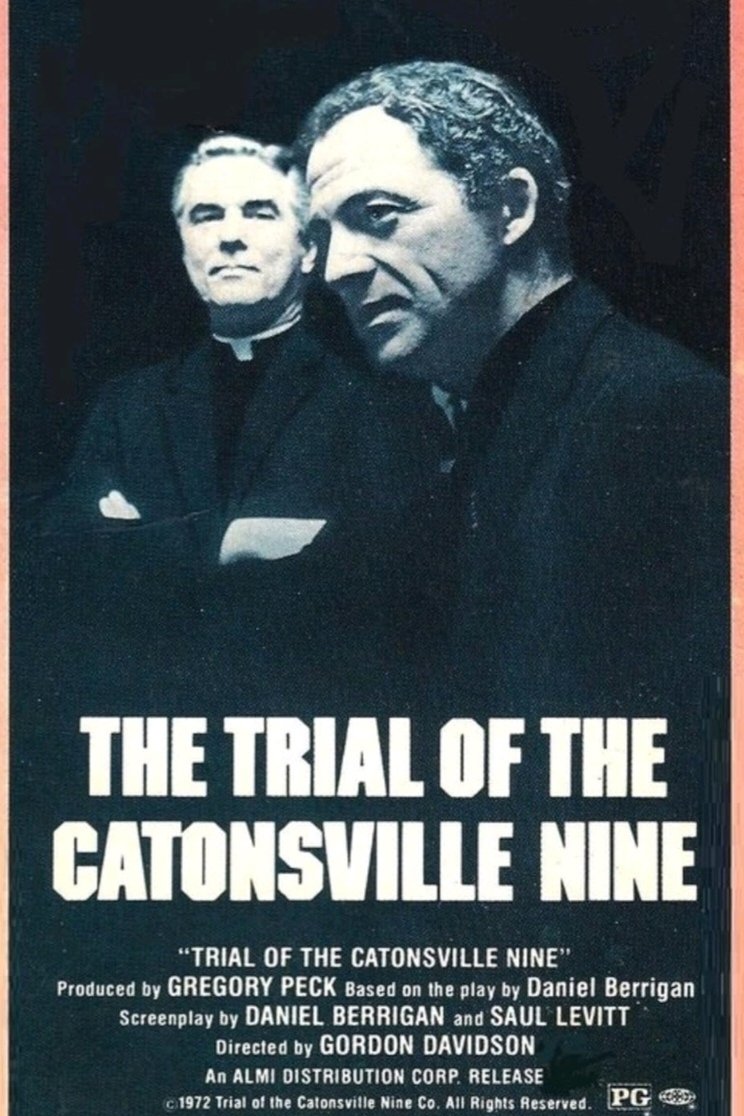
The Trial of the Catonsville Nine
On May 17, 1968, at the height of the Vietnam War, nine men and women entered a Selective Service office outside Baltimore. They removed military draft records, took them outside, and set them afire with napalm.
Insights
Plot Summary
This film presents a dramatized recreation of the trial of nine Catholic anti-war activists who were arrested for burning draft files during the Vietnam War. The play is based on the actual court transcripts and the experiences of the defendants. It explores themes of conscience, civil disobedience, and resistance to governmental authority.
Critical Reception
The film garnered significant attention for its powerful portrayal of conscience and protest during a tumultuous era. It was praised for its directness and its commitment to presenting the defendants' viewpoints, though some found its theatrical approach to a real trial to be somewhat detached. It remains a significant document of anti-war sentiment and the ethics of civil disobedience.
What Reviewers Say
- A stark and compelling reenactment of a pivotal act of protest.
- Highlights the moral complexities of war and dissent.
- Thought-provoking and historically significant.
Google audience: Audience reception for this historical documentary drama is generally positive, with viewers often citing its powerful message and historical relevance. Many appreciate its direct engagement with themes of conscience and protest against war.
Awards & Accolades
Nominated for a Golden Globe for Best Motion Picture - Documentary
Fun Fact
The film is based on the 1970 play of the same name by Daniel Berrigan, one of the Catonsville Nine defendants.
AI-generated overview · Verify ratings on official sources