Movie spotlight
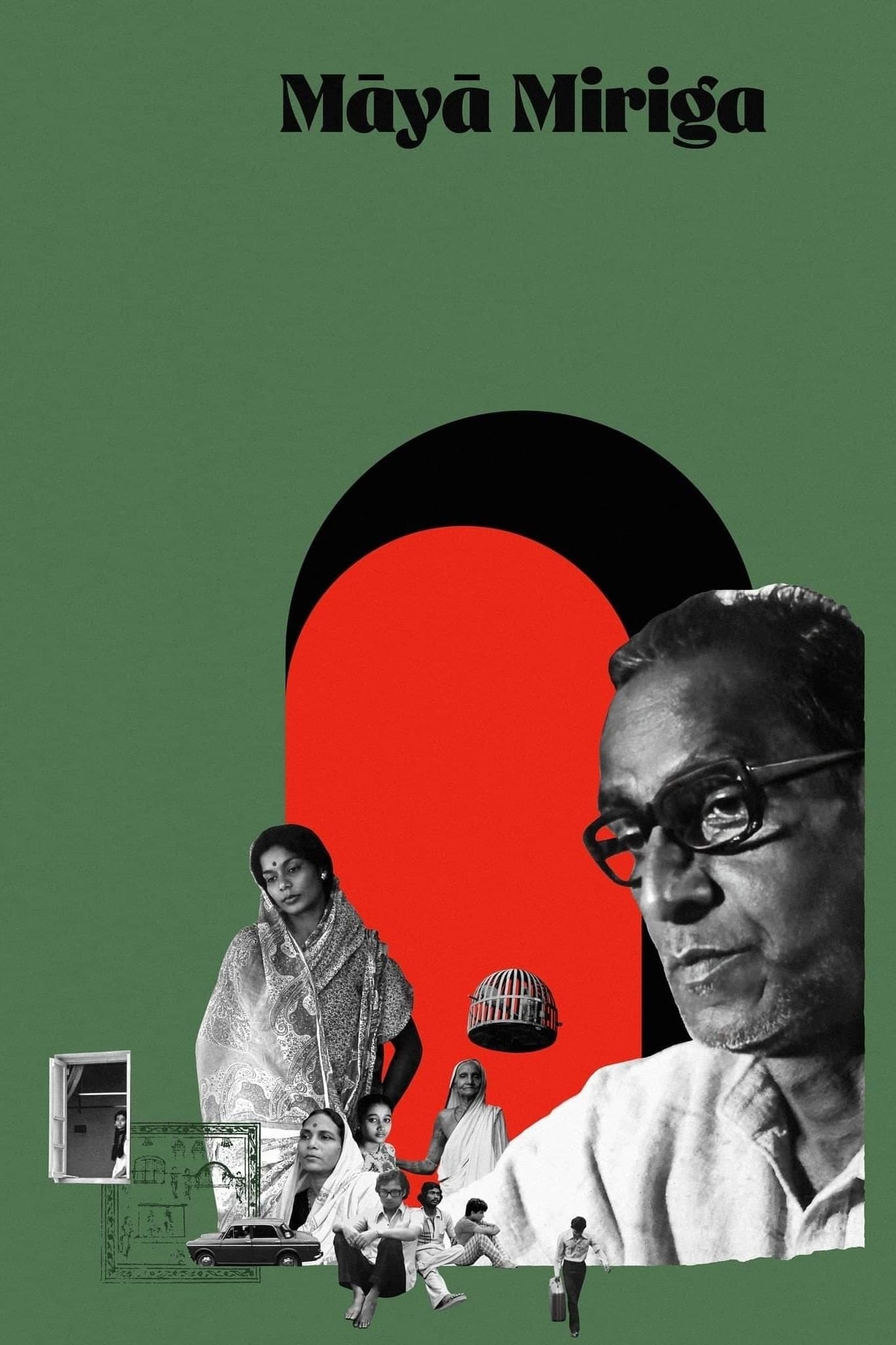
Maya Miriga
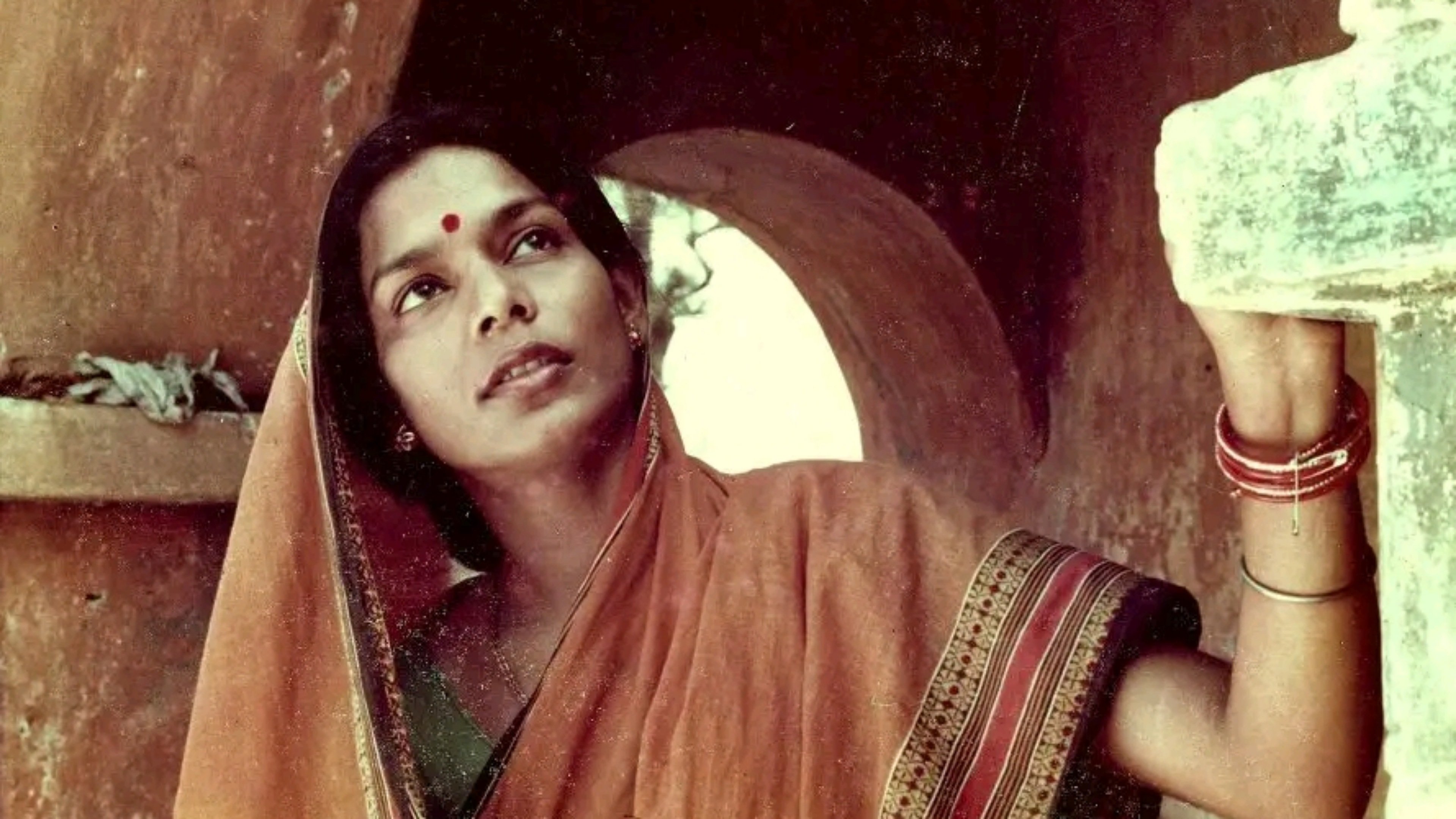
In this quiet drama about a large and loving family, what the parents want the most for their children -- a good education -- causes them to endure what they want the least for themselves, an empty house. As this engaging story opens, a retired schoolteacher and his wife are at home with their four grown sons and one daughter. The oldest son is a teacher whose wife is expecting a baby. The youngest son is a student in New Delhi and, defying custom, his young wife opts to go live with her own family while her husband is at school instead of remaining with her in-laws. Will her behavior and that of the younger generation undermine the tradition that holds the society and family together? After the youngest son graduates and gets a job, he and his wife move across the country to New Delhi. As the siblings continue to grow and develop their own lives and families, the mother and father face a gradual and inevitable adjustment to living without them.
Insights
Plot Summary
The film tells the story of a young man who struggles to find his identity and place in society, navigating familial expectations and personal aspirations. Set against a backdrop of rural India, it highlights the complexities of tradition versus modernity. The narrative follows his journey as he grapples with societal pressures and seeks fulfillment.
Critical Reception
Maya Miriga was generally well-received by critics for its realistic portrayal of common Indian societal issues and its nuanced performances. While not a major commercial success, it garnered appreciation for its thoughtful direction and relatable characters, becoming a noteworthy film in Marathi cinema of the era.
What Reviewers Say
Praised for its authentic depiction of middle-class Indian life.
Noted for strong performances, particularly from the lead actors.
Appreciated for its subtle humor and social commentary.
Google audience: Information on Google user reviews for this specific film is not readily available.
Fun Fact
The film is based on a popular Marathi play of the same name, also written by Satish Alekar, which explored similar themes of domestic life and societal expectations.
AI-generated overview · Verify ratings on official sources