
Movie spotlight
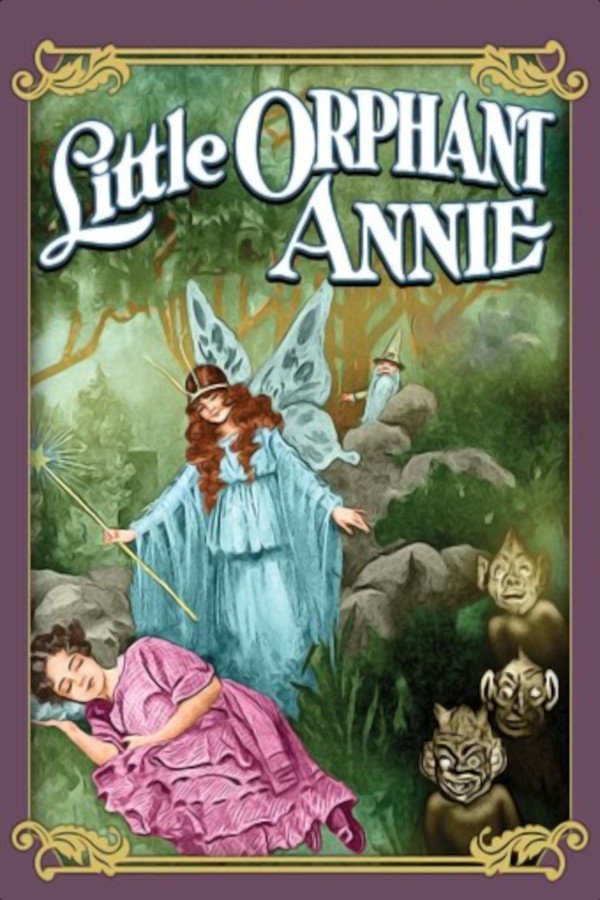
Little Orphant Annie
Annie, left orphaned after the death of her mother, goes to live in an orphanage where she tells her fellow orphans stories of ghosts and goblins. The matron of the orphanage finds Annie's closest relative, the abusive Uncle Thomp. Her uncle who puts her to hard work doing hard labor on his farm, belittling her all the while. Big Dave, a neighbor and tough cow-poke sees this and comes to her aid. Dave becomes her protector. Eventually Annie goes to live with Squire Goode and his large family. There, she entertains the children of the household with her stories, but sees her abusive aunt and uncle as her chief tormentors. She tells stories of how the goblins will take away the children if they are not good. Each story she tells is illustrated. War breaks out and Dave, who Annie adores, enlists. Uncle Thomp, hearing that Dave has been killed in action, takes pleasure in telling Annie the news. Broken-hearted, Annie falls ill and dies in bed, surrounded by family.
Insights
Plot Summary
Based on James Whitcomb Riley's poem, the film tells the story of Annie, an orphan who is mistreated by her adoptive family. Despite hardships, Annie maintains a cheerful disposition and finds solace in her imagination. The story culminates in a dramatic rescue that highlights her resilience and the eventual recognition of her worth.
Critical Reception
As an early silent film, 'Little Orphant Annie' received positive attention for its heartwarming story and its portrayal of childhood innocence amidst adversity. Colleen Moore's performance was particularly noted for its emotional depth. The film resonated with audiences for its sentimental themes and moral lessons.
What Reviewers Say
Praised for its touching portrayal of an orphaned child's struggles.
Colleen Moore's performance as Annie was lauded for its sincerity and emotional impact.
The film's sentimental narrative and moral undertones appealed to early 20th-century audiences.
Google audience: Information not available for this early silent film.
Fun Fact
This film was one of the earliest cinematic adaptations of James Whitcomb Riley's beloved poem, capturing the popular imagination of the time.
AI-generated overview · Verify ratings on official sources