
Movie spotlight
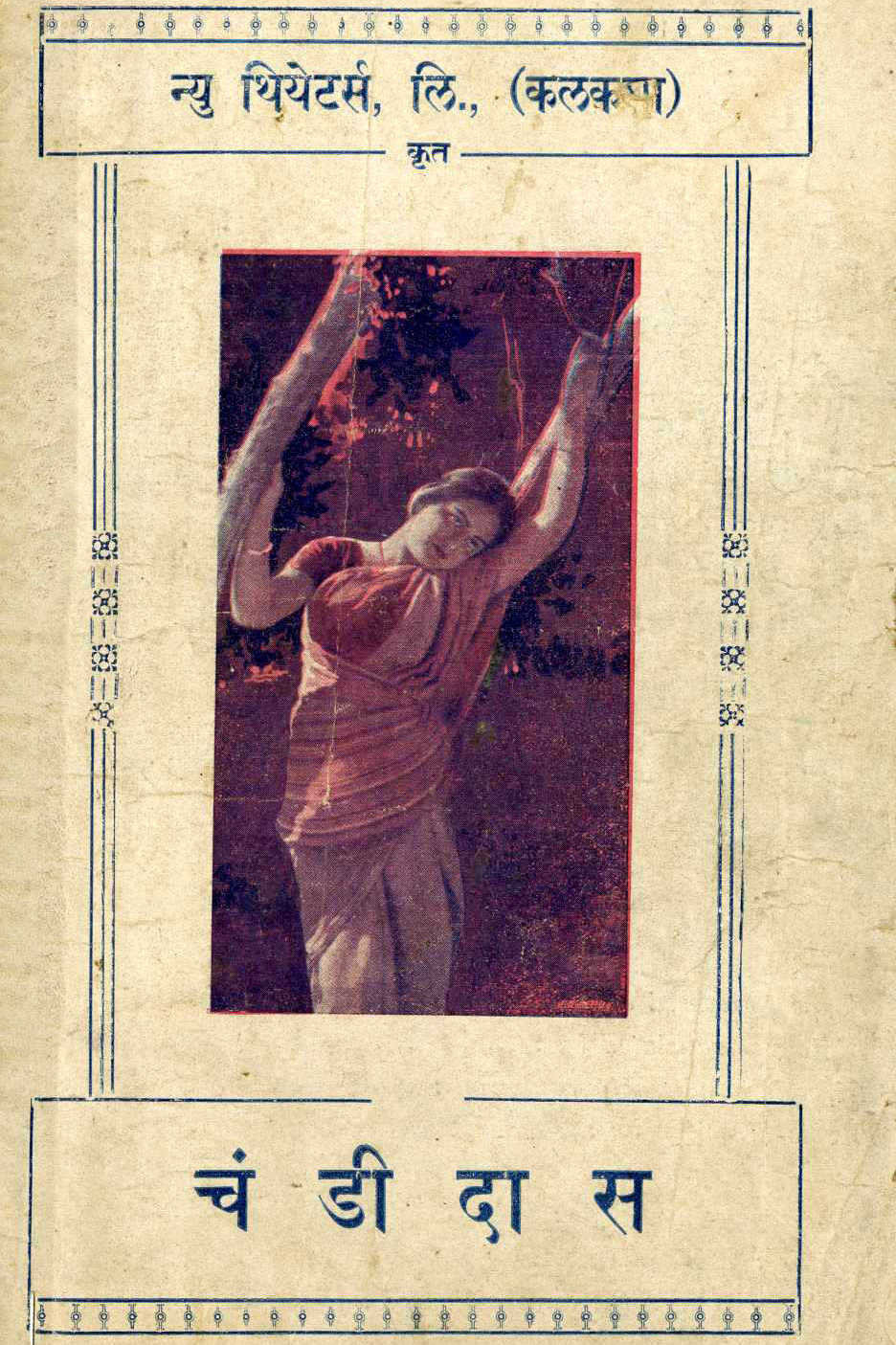
Chandidas
This film is about Chandidas, a legendary 15th-C. Bengali Vaishnavite poet whose biography remains obscure but was an influence on the better documented Chaitanya (1486-1533), a school teacher who promoted the Vaishnavite ideology in Bengal, mostly through hymns about the Radha-Krishna legend.
Insights
Plot Summary
The film tells the story of the 15th-century Vaishnavite poet-saint Chandidas, known for his devotional songs to Radha. It highlights his forbidden love for a washerwoman, Rami, and the societal conflict and spiritual struggle that arise from their relationship. The narrative explores themes of divine love, social hierarchy, and artistic devotion.
Critical Reception
Chandidas (1932) was a landmark film in early Indian cinema, widely acclaimed for its artistic merit, musical score, and powerful performances. It is considered one of the earliest Indian films to achieve significant critical and commercial success, establishing Debaki Bose as a prominent director.
What Reviewers Say
Praised for its lyrical music and emotional depth.
Lauded for its historical narrative and artistic direction.
Celebrated as a significant step in the evolution of Indian filmmaking.
Google audience: As an early silent film with spoken word and songs, audience reception is difficult to quantify by modern standards, but it is historically recognized for its significant impact on Indian cinema.
Awards & Accolades
None notable (early Indian cinema records for awards are scarce).
Fun Fact
Chandidas (1932) was one of the first Indian films to successfully integrate spoken dialogue and songs, contributing significantly to the development of the musical genre in Indian cinema.
AI-generated overview · Verify ratings on official sources