
Movie spotlight
Il Trovatore
The Count Di Luna believes that his younger brother was murdered years before by a vengeful gypsy but still hopes that he may be alive. When he attempts to court the beautiful Leonora, he is enraged to discover that she has a lover – the troubadour, Manrico. Manrico and the Count duel, and afterwards Manrico reveals to Azucena, the woman he believes to be his mother, that when he had the opportunity to kill the Count he felt something holding him back.
Insights
Plot Summary
Set in 15th-century Biscay, 'Il Trovatore' tells a tale of tragic love, mistaken identities, and a blood feud. A gypsy troubadour, Manrico, falls in love with the noblewoman Leonora, unaware she is courted by the jealous Count di Luna. Their love triangle is entangled with the revenge plot of the vengeful Azucena, who seeks to avenge her mother's death by the Count's father, leading to a dramatic and ultimately fatal climax.
Critical Reception
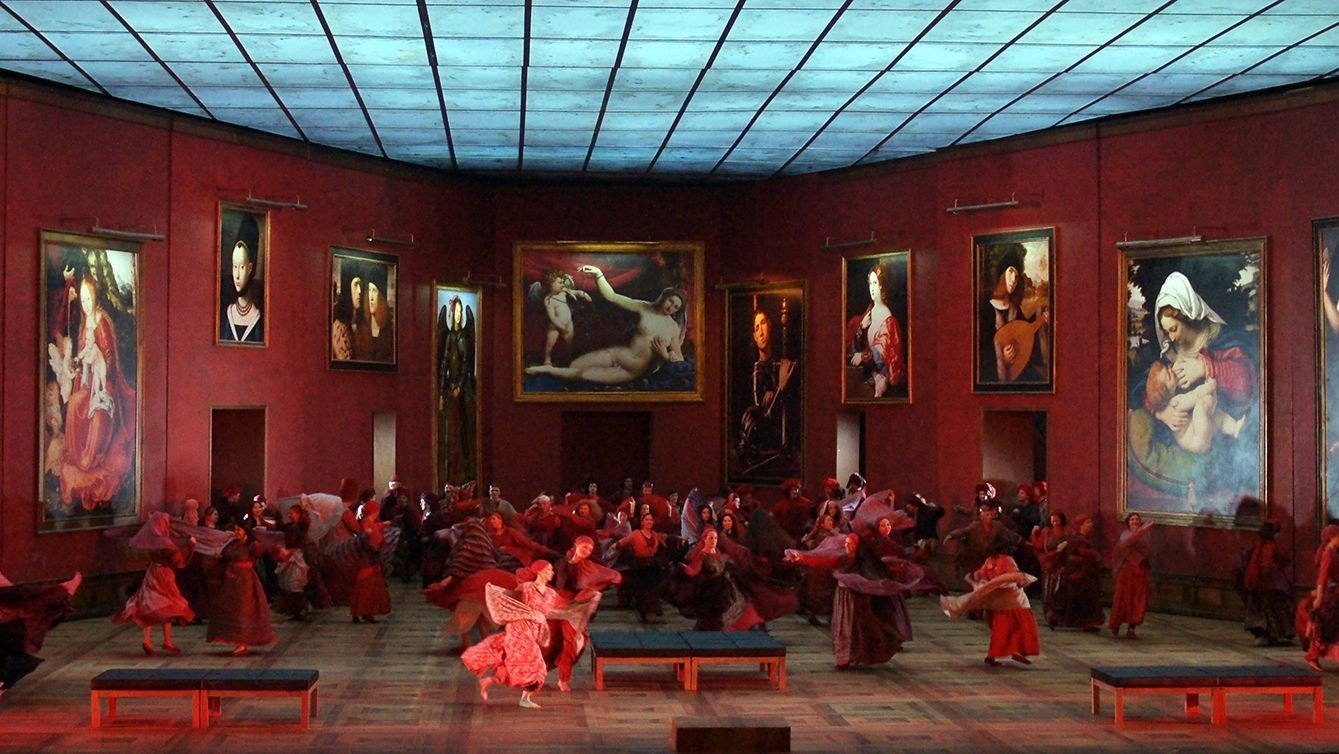
The 2014 Metropolitan Opera production of Verdi's 'Il Trovatore,' directed by David McVicar, was widely praised for its powerful vocal performances, particularly from Dmitri Hvorostovsky and Maria Guleghina, and its visually striking, historically-informed staging. Critics lauded the emotional depth and dramatic intensity of the production, though some noted minor issues with pacing.
What Reviewers Say
Praised for its stellar cast, especially the commanding performances of Hvorostovsky and Guleghina.
McVicar's historically-informed and visually impressive staging was a significant highlight.
The production successfully conveyed the opera's dramatic intensity and emotional weight.
Google audience: Audience reception for this specific 2014 production is not readily available through aggregated Google reviews. However, 'Il Trovatore' as an opera is consistently appreciated by opera enthusiasts for its passionate melodies and gripping drama.
Awards & Accolades
None notable for this specific production, though 'Il Trovatore' itself is a cornerstone of the operatic repertoire and has received numerous accolades over its history.
Fun Fact
The character of Azucena, the gypsy who seeks revenge, is often considered one of opera's most complex and tragic female figures, driven by a deep-seated, inherited madness and a desire for vengeance.
AI-generated overview · Verify ratings on official sources