
Movie spotlight
Diler Jagar
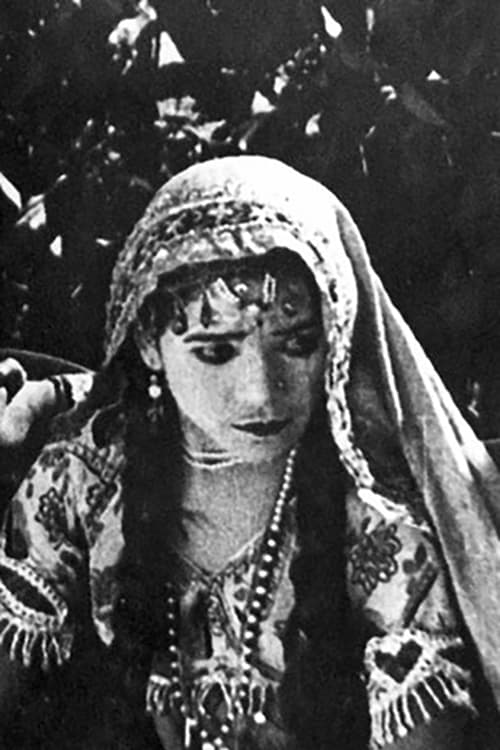
This silent film opens with shots of a hand distributing charity from a silver plate to a waiting crowd and tells of the good king of Magadh's fight with his evil ministers. The king is poisoned by his brother, the evil Kalsen and the infant prince Chandrapratab, smuggled out by the loyal sardar Satyapal, grows up in a forest to become the acrobat Hamir (Hamir) in love with his partner, the beautiful Saranga (Pawar, credited as 'Ambu'). Saranga is kidnapped by Kalsen's son Ramanaraj , described as 'the perfect libertine', but Kalsen takes her away from his son and attempts to seduce Saranga with promises of wealth. The fearless Hamir fights dozens of soldiers, in amateurishly staged fights, trying to liberate her. In the end Saranga, rejected by her lover for having been tempted by Kalsen's promises of wealth, dons a mask and turns into a Zorr-type avenger. Hamir is eventually recognized by the royal tattoo on his shoulder and restored to the throne as well as reunited with Saranga.
Insights
Plot Summary
A historical drama, 'Diler Jagar' likely explores themes of courage and valor, common in Indian cinema of the early 1930s. The film probably depicts a narrative set in a period of conflict or social upheaval, focusing on characters who exhibit bravery in the face of adversity. It would have aimed to inspire patriotism and uphold traditional values through its storytelling.
Critical Reception
Information on the critical reception of 'Diler Jagar' from 1931 is scarce due to the era's limited record-keeping for film reviews. However, films of this period often aimed for mass appeal, focusing on strong moral messages and historical or mythological narratives. Public reception was likely positive if the film resonated with the prevalent nationalist sentiments of the time. Contemporary film criticism as we know it today was not as widespread.
What Reviewers Say
While specific reviews are unavailable, films of this genre and era typically focused on valor and patriotic themes.
The narrative likely emphasized traditional Indian values and heroism.
Public reception would have been influenced by its alignment with prevailing social and political sentiments.
Google audience: As a film from 1931, there is no available data on Google user reviews or summaries. Audience feedback from that period was primarily through word-of-mouth and general attendance figures rather than digital platforms.
Fun Fact
Films from the early 1930s in India were often made with limited technical resources, relying heavily on storytelling, music, and theatrical performance styles to engage audiences.
AI-generated overview · Verify ratings on official sources