
Movie spotlight
The Last of England
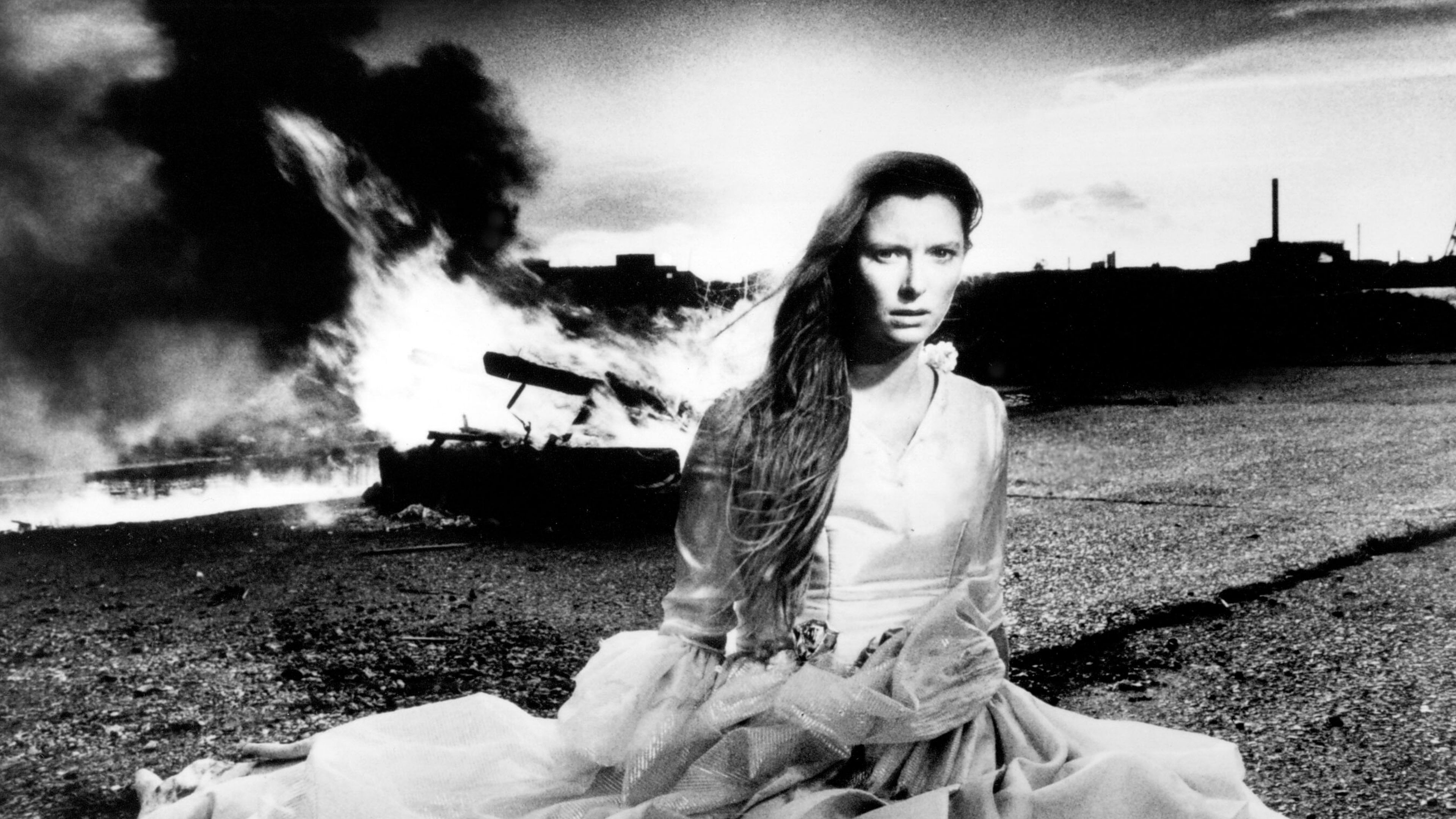
The artist's personal commentary on the decline of his country in a language closer to poetry than prose. A dark meditation on London under Thatcher.
Insights
Plot Summary
Derek Jarman's 'The Last of England' is a deeply personal and visually striking film that uses a collage of imagery and personal reflection. It combines archival footage, Super 8 home movies, and staged scenes to explore themes of memory, love, loss, and the political climate of Thatcher's Britain. The film serves as a melancholic elegy for a past England and a commentary on its present state.
Critical Reception
Upon its release, 'The Last of England' was recognized for its audacious and experimental style, characteristic of Derek Jarman's work. Critics often noted its raw emotional power and its unflinching engagement with contemporary social and political issues. While its non-linear narrative and highly personal nature made it challenging for some, it was widely appreciated by those who valued its artistic ambition and its unique cinematic language.
What Reviewers Say
Praised for its raw, poetic, and deeply personal visual style.
Lauded as a powerful and moving elegy for a changing England.
Noted for its challenging but rewarding experimental narrative structure.
Google audience: Information regarding specific Google user reviews for this film is not readily available.
Fun Fact
The film was shot entirely on Super 8 film, which contributes to its grainy, intimate, and home-movie-like aesthetic.
AI-generated overview · Verify ratings on official sources