Movie spotlight
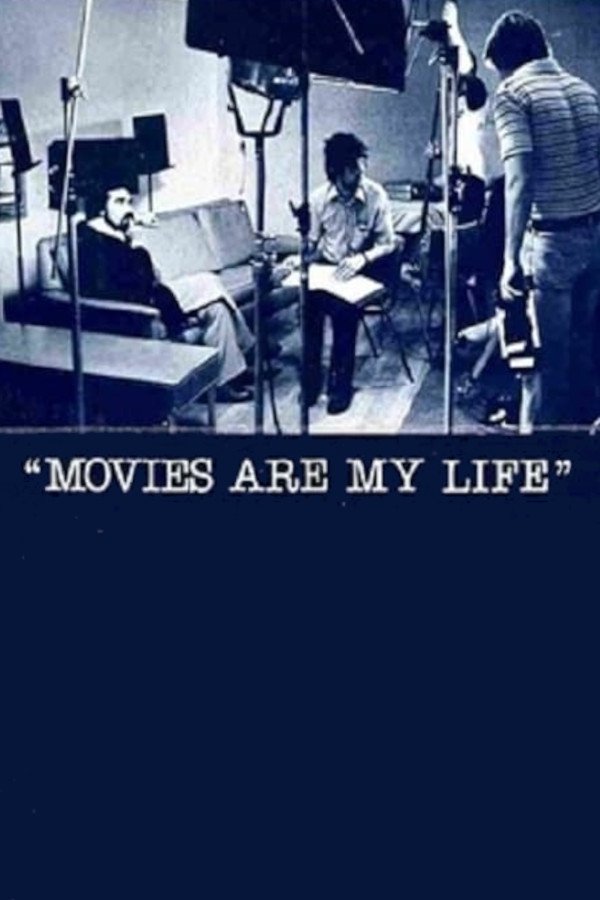
Movies Are My Life
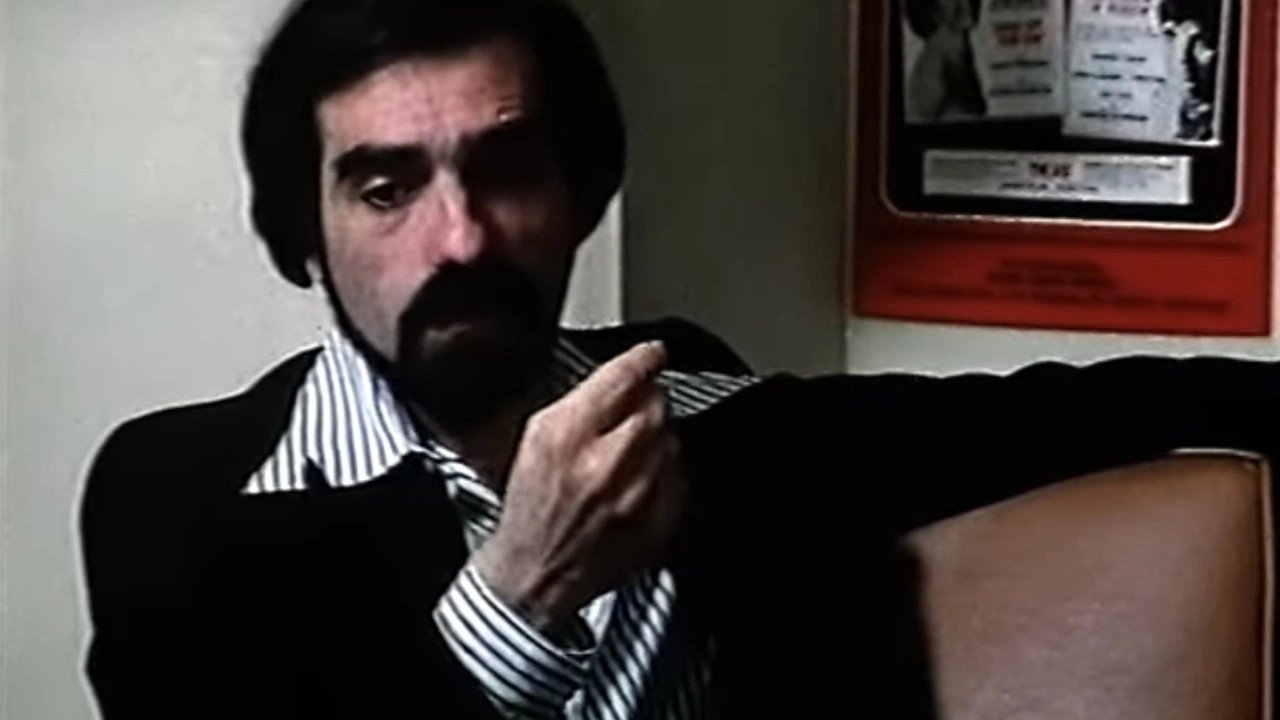
The very first full-length documentary on Scorsese offers an invaluable look at how he was perceived by his colleagues, and himself, in 1977. Catching Scorsese while he was in post-production on New York, New York and editing The Last Waltz, British filmmaker Peter Hayden gets the manically hyper Scorsese to comment on his youth, his relation to his lead characters, the making of Mean Streets and most importantly, his approach to direction. The doc doesn’t quite move at the pace of Scorsese’s revved-up speed-talking, but it does offer some real insight into his productivity in the 1970s, thanks to an impressive array of talking heads. Included are Scorsese’s collaborators Jay Cocks, Mardik Martin, Brian De Palma, Steven Prince (who co-produced this doc), and his mentor John Cassavetes. Also the performers, who discuss his working methods in detail — Jodie Foster, Liza Minnelli, and, of course, Robert De Niro.
Insights
Plot Summary
A deeply personal and reflective documentary, 'Movies Are My Life' delves into the philosophical and emotional relationship between director Jean-Luc Godard and the art of filmmaking. Through a collage of archival footage, personal reflections, and cinematic experiments, Godard explores the very essence of cinema and its power to shape our perception of reality. The film serves as a visual essay on his life's work and his lifelong passion for the moving image.
Critical Reception
As a highly personal and experimental work by a renowned auteur, 'Movies Are My Life' garnered attention within cinephile circles. While its abstract and self-reflexive nature might not appeal to mainstream audiences, critics often lauded its intellectual depth and Godard's unique cinematic voice. It is seen as a significant entry in his later, more philosophical period.
What Reviewers Say
Praised for its intellectual rigor and unique visual style.
Considered a profound exploration of cinema's relationship with life.
May be challenging for viewers not familiar with Godard's work.
Google audience: Audience reception data is not widely available for this niche documentary, but it is generally appreciated by those who engage with experimental and auteur cinema.
Fun Fact
The film is structured as a series of reflections and discussions, blurring the lines between documentary, essay film, and personal memoir, characteristic of Godard's later, more abstract work.
AI-generated overview · Verify ratings on official sources