Movie spotlight
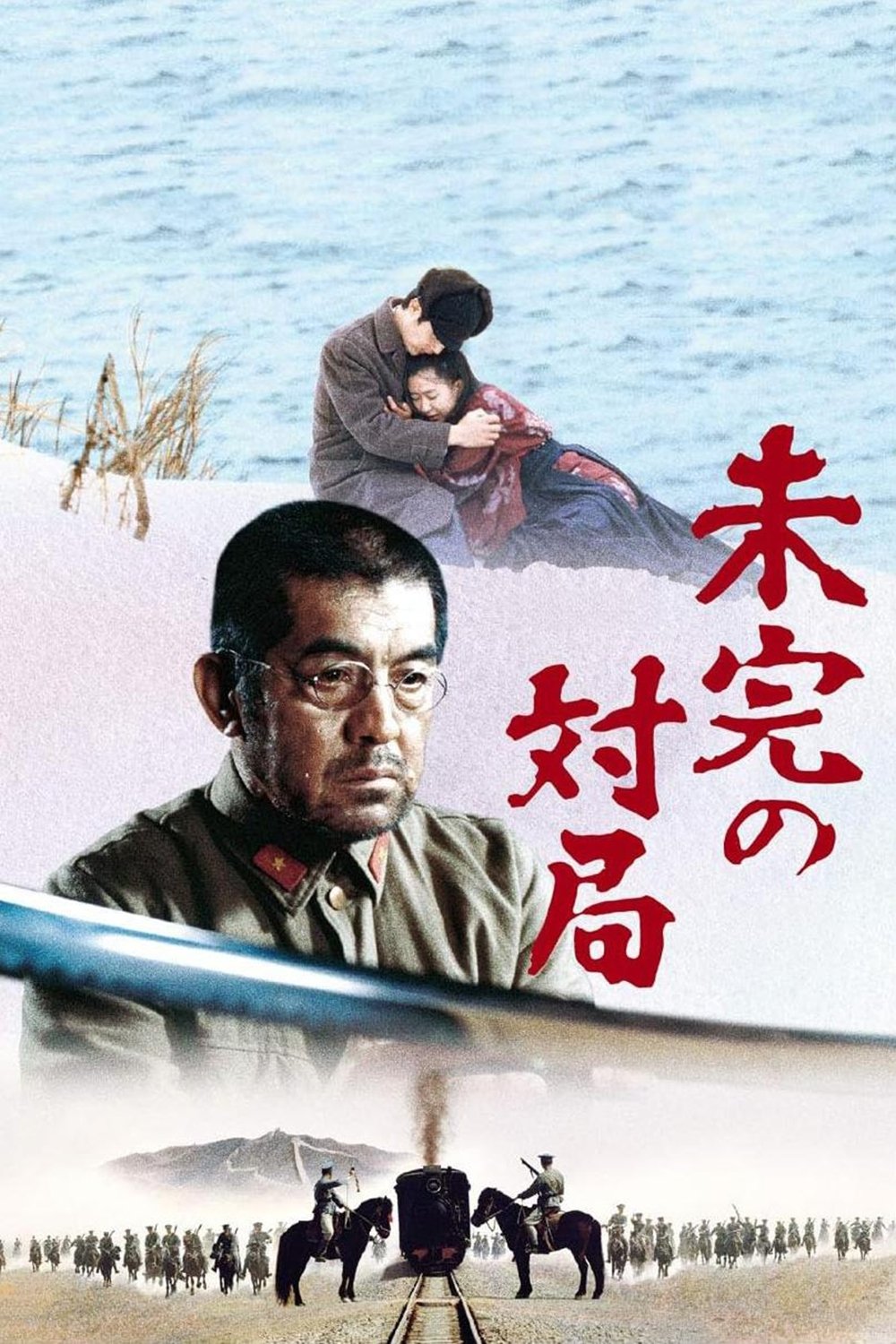
The Go Masters
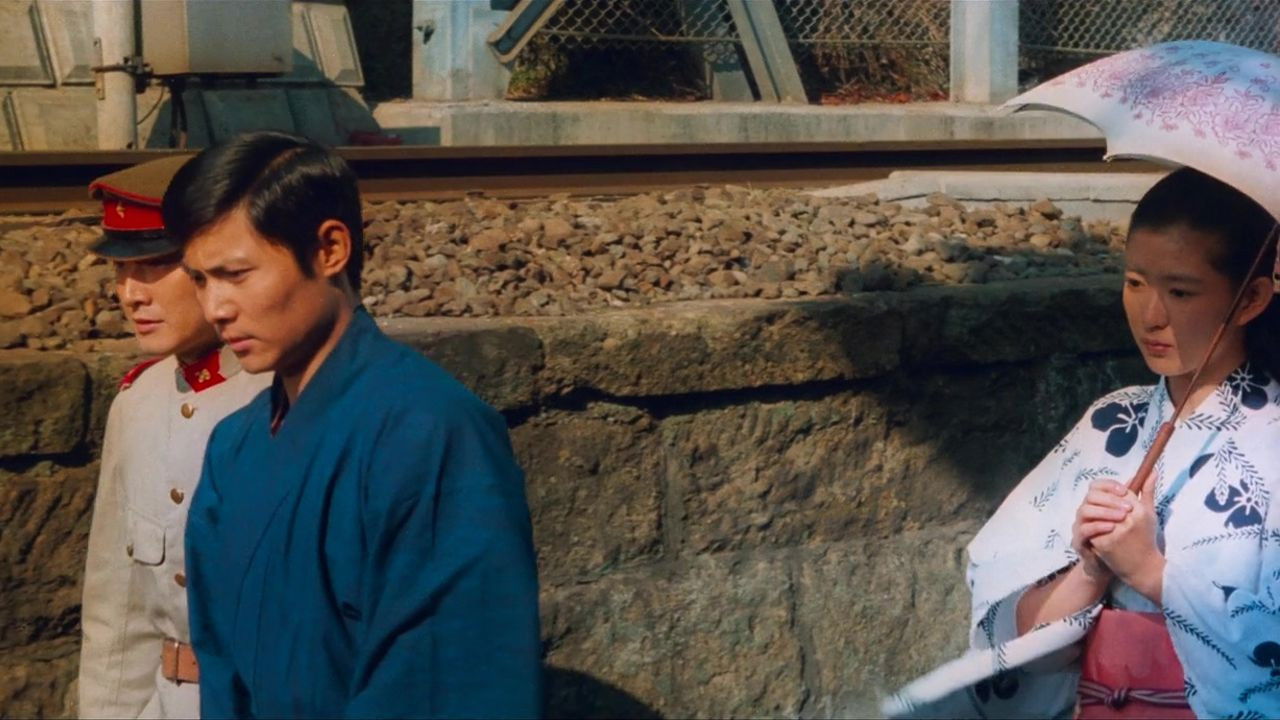
Ten years before the outbreak of the Second World War in Asia, a Japanese Go master and his Chinese rival meet in China to play a game of Go (loosely described as an Asian version of chess). It soon becomes evident that the Chinese master's son is the most talented player that the Japanese master has ever encountered, and he convinces the boy's father to let him bring the child back to Japan to train him as a professional Go player. Years pass, and as the young Chinese master grows to maturity in Japan, the Japanese invasion of China forces him to choose between his triumphant career and his loyalty to his native country. His decision is complicated by his marriage to the daughter of the Japanese master, with whom he has produced a child. His choice will profoundly alter the lives of two families. Their saga serves as a reflection of the tragic relations between their two great countries, and the possibility of reconciliation and healing.
Insights
Plot Summary
In a small village, two young boys, brothers, are taught the ancient game of Go by their grandfather. As they grow, their differing temperaments lead them down separate paths in life and in their pursuit of Go mastery. The film explores themes of family, rivalry, and the dedication required to excel in a complex intellectual pursuit.
Critical Reception
The Go Masters received moderate critical attention, often praised for its portrayal of the game of Go and its exploration of sibling rivalry. While not a major international release, it found an appreciative audience among those interested in Asian cinema and strategic games.
What Reviewers Say
Praised for its authentic depiction of the game of Go.
The film effectively captures the complexities of sibling rivalry.
A thoughtful drama that transcends its sports focus.
Google audience: Information regarding Google user reviews is not readily available for this film.
Fun Fact
The film was produced during a period when Chinese cinema was beginning to re-engage with international audiences after the Cultural Revolution, showcasing traditional Chinese arts and culture.
AI-generated overview · Verify ratings on official sources