IMDb7.7/10
Rotten Tomatoes93%
Director: Paolo and Vittorio Taviani•Genres: Drama
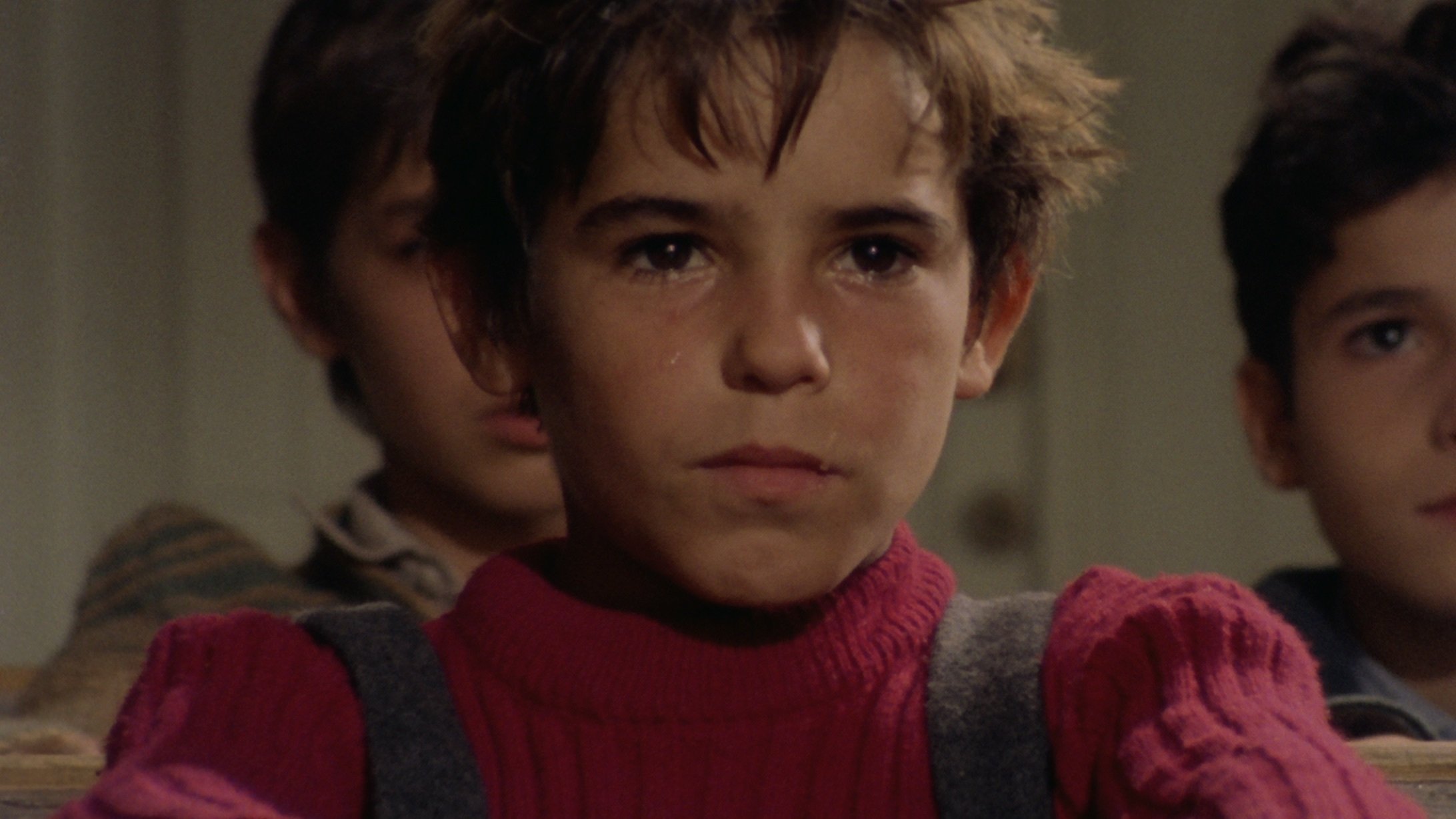
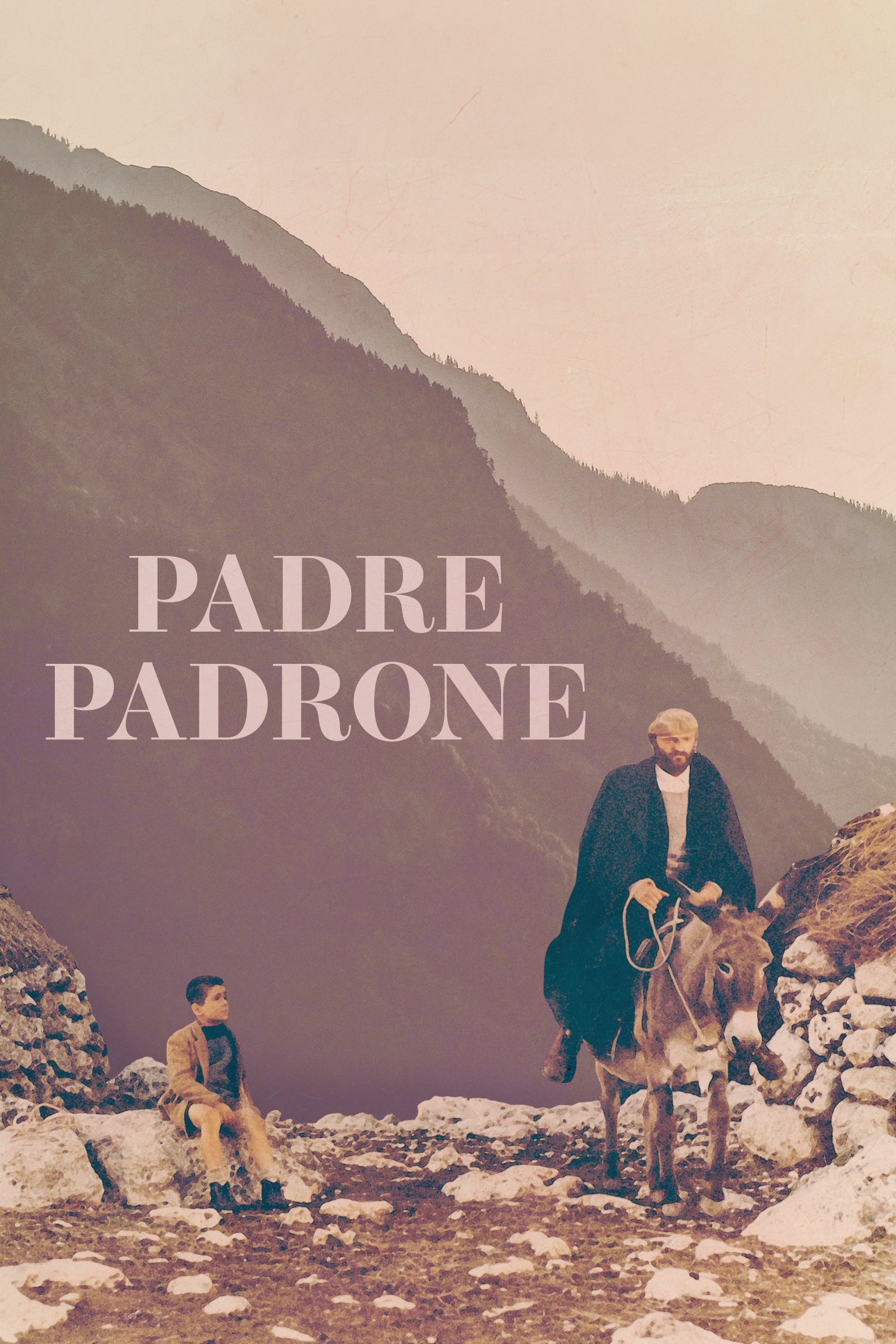
Based on Gavino Ledda's autobiographical novel, the film chronicles the harsh life of a young Sardinian shepherd boy named Gavino. Stripped of his childhood and forced into hard labor by his abusive father, Gavino endures isolation and illiteracy. He eventually escapes his rural prison to pursue education and reclaim his identity, transforming from an oppressed son into a free man.
Padre Padrone was met with widespread critical acclaim, lauded for its raw portrayal of Sardinian life, its powerful coming-of-age narrative, and its striking cinematic style. It is considered a masterpiece of Italian cinema and a significant work of social commentary.
A deeply affecting and powerful exploration of liberation and self-discovery.
Praised for its stark realism and poetic visual language.
Considered a seminal work for its unflinching look at patriarchal oppression.
Google audience: Audience reception for Padre Padrone is largely positive, with many viewers highlighting its emotional impact and thought-provoking themes. It is often cited as a film that resonates deeply due to its authentic depiction of a difficult struggle for freedom and identity.
Palme d'Or at the 1977 Cannes Film Festival; Golden Globe Award for Best Foreign Film.
The film's lead actor, Omero Antonutti, who plays the titular "Padre" (Father), was not initially the first choice for the role. The directors were reportedly looking for a more imposing figure but found Antonutti's intensity and gravitas perfectly suited the character.
AI-generated overview · Verify ratings on official sources