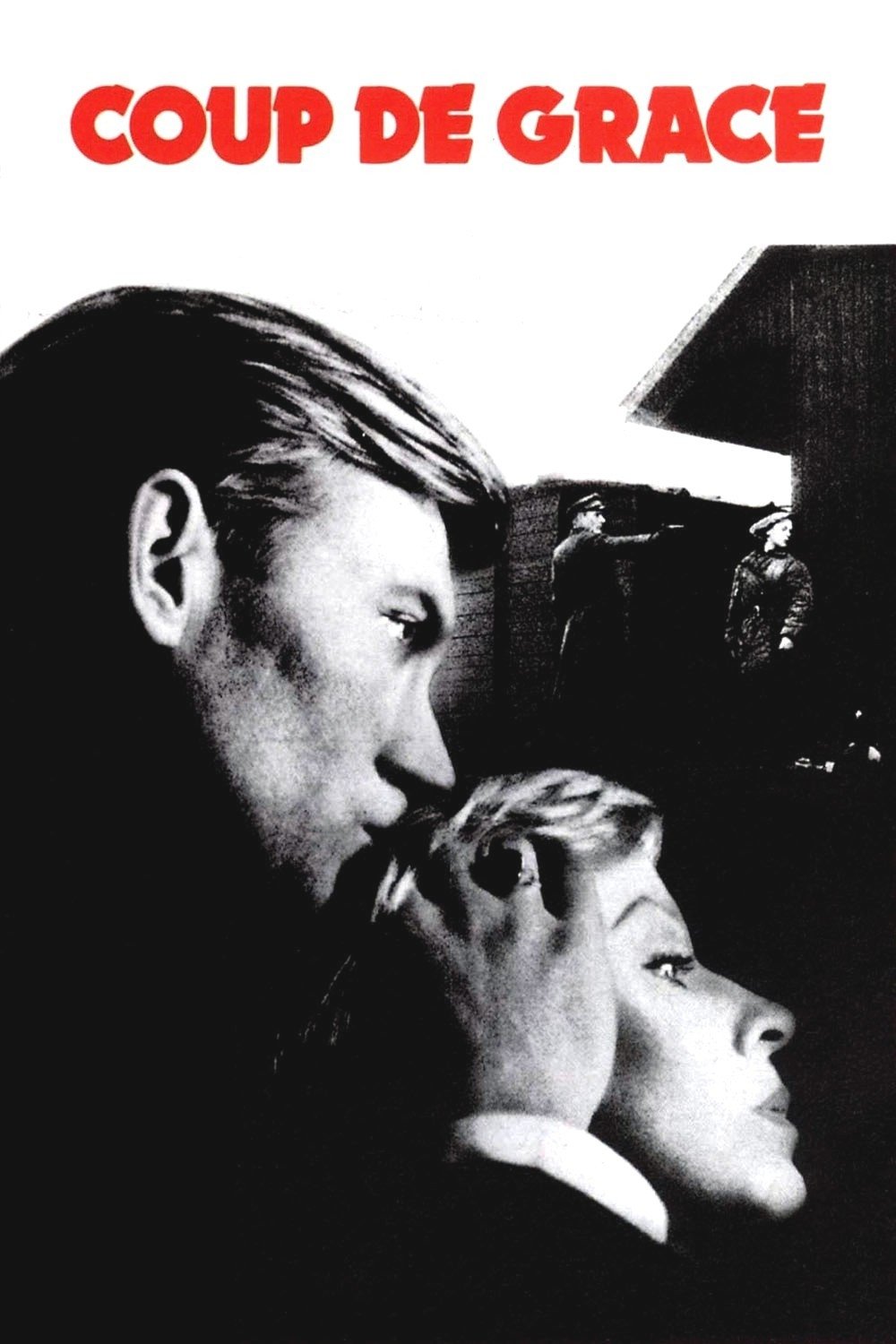
Director: Volker Schlöndorff•Genres: War, Drama, Romance
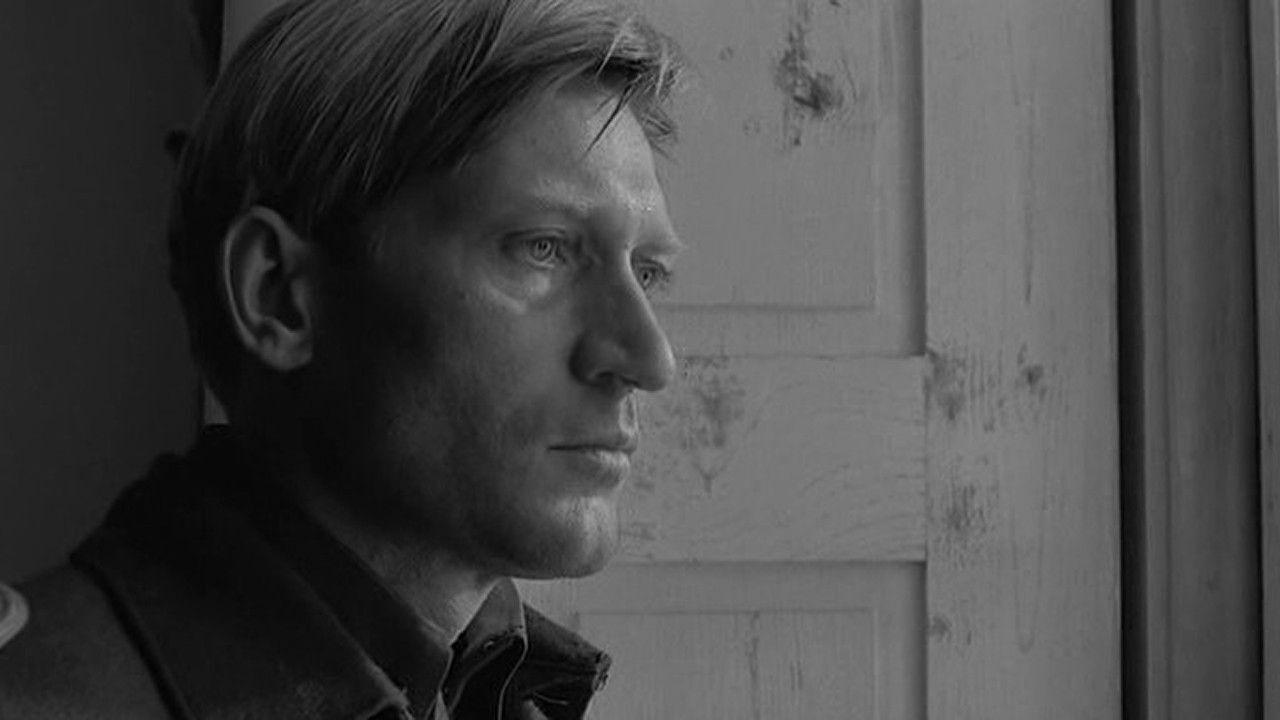
In the turbulent aftermath of World War I, amidst the Baltic region's struggle for independence, a young Prussian officer is drawn into the complex and passionate relationship with a radical aristocratic woman. Their entanglement unfolds against a backdrop of political upheaval and class conflict. As their affections deepen, they become increasingly embroiled in the violent societal divisions, forcing them to confront their loyalties and the devastating consequences of their choices.
Coup de Grâce received critical acclaim for its atmospheric direction, strong performances, and poignant exploration of love and war. It was particularly lauded for its sensitive portrayal of post-war societal disintegration and the personal toll of political turmoil. The film is considered a significant work in German cinema of the 1970s.
Praised for its visually striking cinematography and haunting atmosphere.
Lauded for its nuanced portrayal of complex relationships amidst historical unrest.
Noted for its powerful performances, especially from Margarethe von Trotta.
Google audience: Audience reception data for Google reviews is not widely available for this film.
The film is based on the 1930 novel of the same name by Uwe Johnson.
AI-generated overview · Verify ratings on official sources