
Movie spotlight
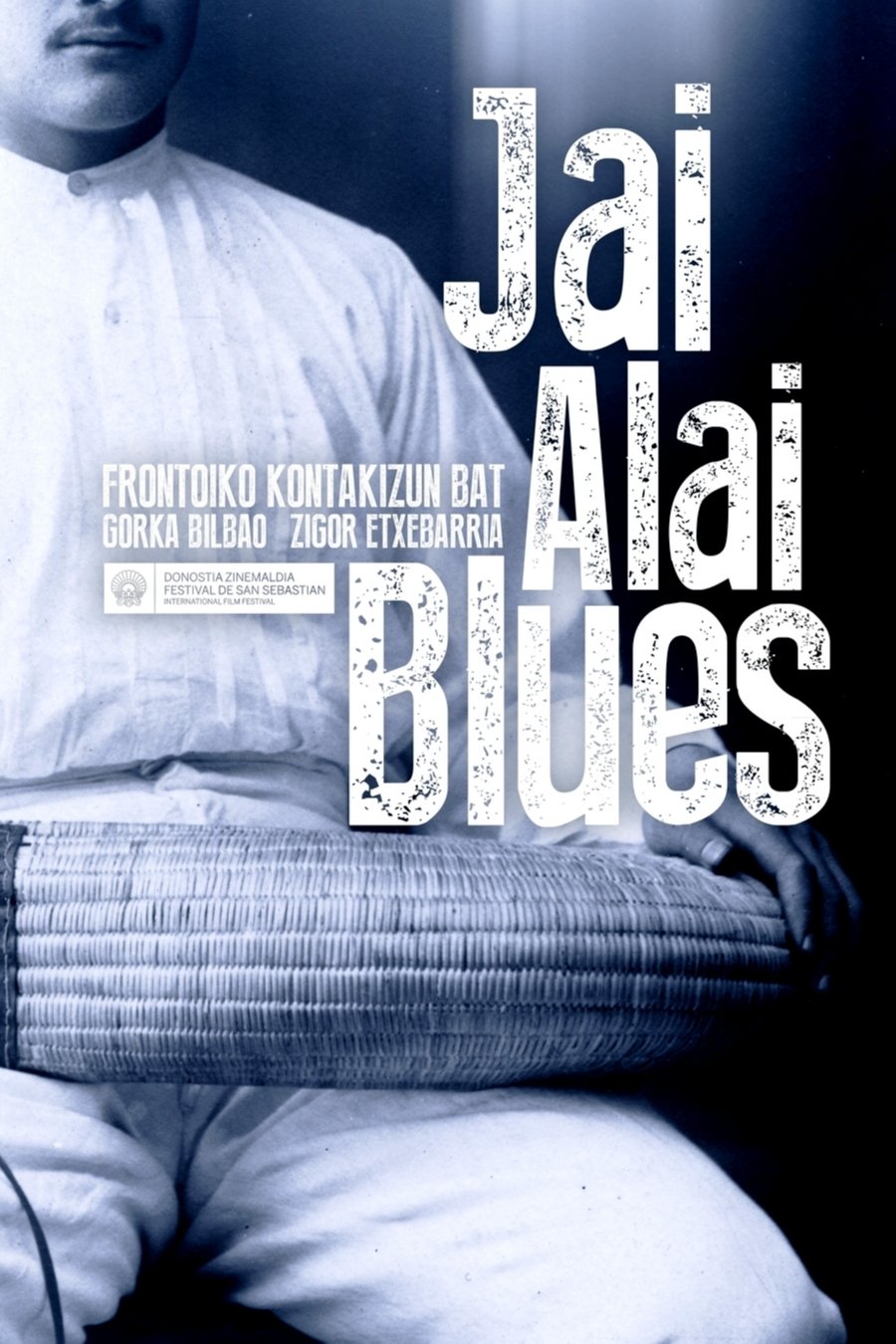
Jai Alai Blues
The story of how a humble Basque rural sport called zesta punta —or jai alai— was successfully exported from the Basque Country to nations as different as Egypt, China, the Philippines, Cuba, Mexico or the United States. In these places, the pelotaris were considered true artists at the fronton. But the splendour of the jai alai, the happy feast, could not last forever.
Insights
Plot Summary
Jai Alai Blues is a documentary that delves into the world of Jai Alai, a sport once heralded as 'the fastest game in the world.' The film explores the history of the sport, its decline in popularity, and the passionate individuals who continue to play it. It highlights the cultural significance of Jai Alai, particularly in South Florida, and the efforts to preserve its legacy amidst changing times.
Critical Reception
Jai Alai Blues was met with a generally positive reception from critics who praised its insightful look into a fading sport and its compelling human stories. Audiences appreciated the documentary's exploration of a unique cultural phenomenon and the dedication of its participants. While not a mainstream hit, it found a dedicated following among sports documentary enthusiasts.
What Reviewers Say
Praised for its deep dive into the history and fading culture of Jai Alai.
Lauded for capturing the passion of the players and the unique atmosphere of the sport.
Acknowledged for its sensitive portrayal of a sport struggling for relevance.
Google audience: Information on specific Google user reviews for 'Jai Alai Blues' is not readily available.
Fun Fact
The documentary highlights how Jai Alai's fast-paced nature and popularity in the mid-20th century led to it being dubbed 'the fastest game in the world,' with ball speeds sometimes exceeding 180 miles per hour.
AI-generated overview · Verify ratings on official sources