Movie spotlight
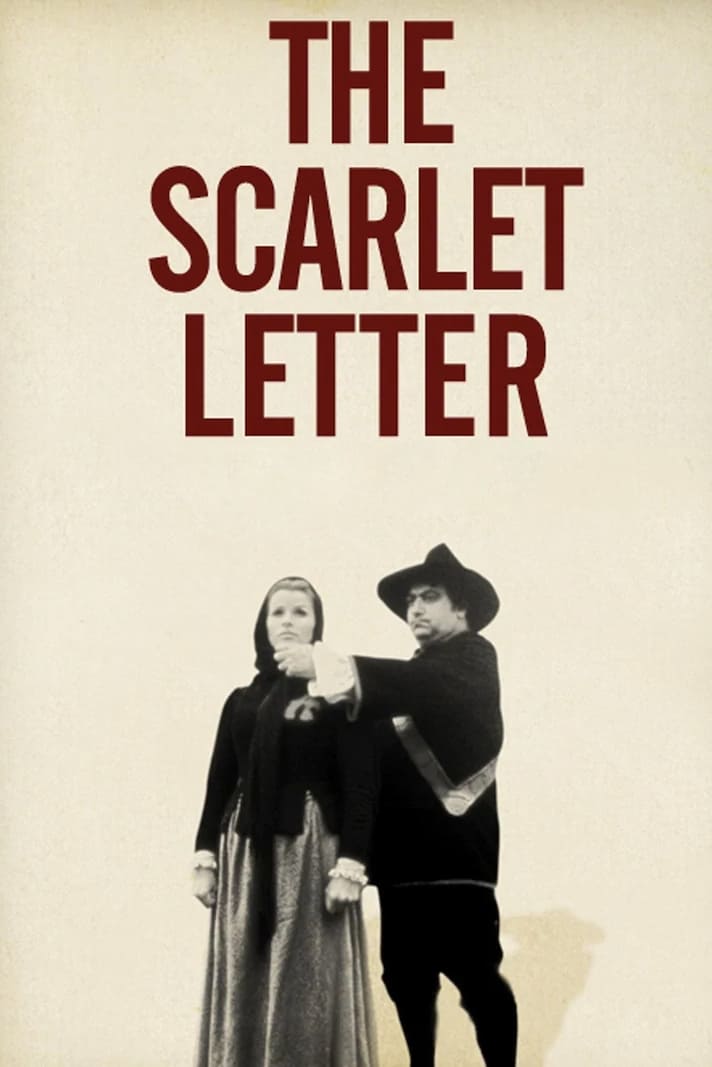
The Scarlet Letter
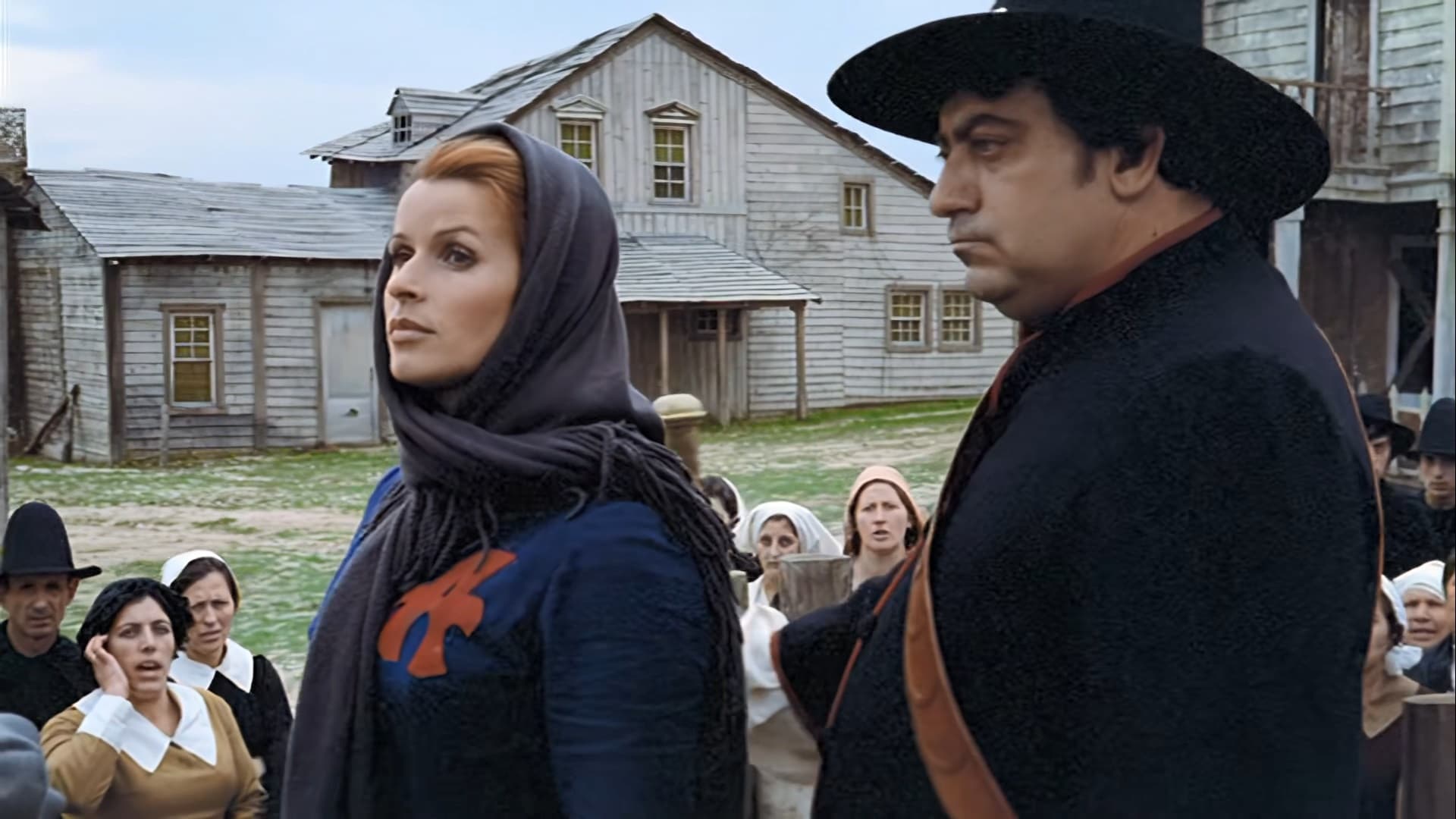
In 17th-century Salem, Hester Prynne must wear a scarlet A because she is an adulteress, with a child out of wedlock. For seven years, she has refused to name the father. A vigorous older stranger arrives, recognized by Hester but unknown to others as her missing husband. He poses as Chillingworth, a doctor, watching Hester and searching out the identity of her lover. His eye soon rests on Dimmesdale, a young overwrought pastor. Enmity grows between the two men; Chillingworth applies psychological pressure, and the pastor begins to crack. A ship stops in Salem, and Hester sees it as a providential refuge for her daughter, herself, and her lover. But will Dimmesdale flee with her?
Insights
Plot Summary
In 17th-century Puritan New England, Hester Prynne is ostracized and forced to wear a scarlet 'A' for adultery after bearing a child out of wedlock. Her lover, the minister Arthur Dimmesdale, conceals his identity, leading to years of suffering and societal condemnation for Hester. The film explores themes of sin, hypocrisy, and the consequences of societal judgment.
Critical Reception
The 1973 adaptation of 'The Scarlet Letter' by Wim Wenders received mixed to negative reviews upon its release. While some critics appreciated its attempt at a more psychological and modern interpretation of Hawthorne's classic novel, many found it to be a somber and less compelling rendition compared to previous adaptations. The film's artistic choices and pacing were points of contention.
What Reviewers Say
Ponderous and visually stark, struggling to capture the novel's emotional core.
Lacks the dramatic intensity and character development found in other versions.
An interesting artistic interpretation, but ultimately unsatisfying for fans of the source material.
Google audience: Information regarding specific Google user reviews for the 1973 film adaptation is not readily available.
Fun Fact
Wim Wenders' version of 'The Scarlet Letter' was filmed in Germany and Finland, rather than the United States, and incorporates elements that reflect a more modern, existentialist sensibility, diverging significantly from the traditional historical setting of the novel.
AI-generated overview · Verify ratings on official sources