Movie spotlight
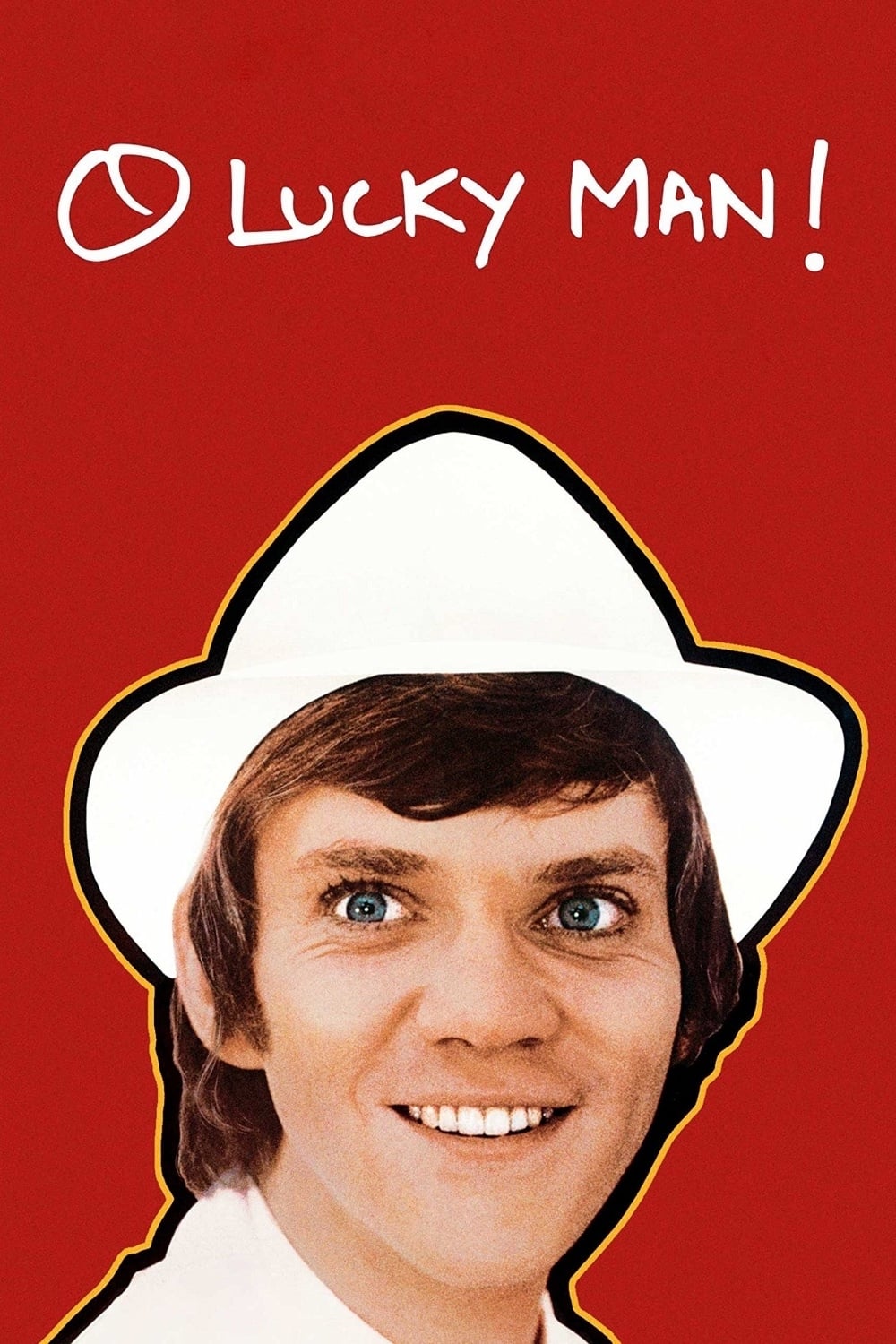
O Lucky Man!
An ambitious coffee salesman has a series of improbable and ironic adventures seemingly designed to challenge his naive idealism.
Insights
Plot Summary
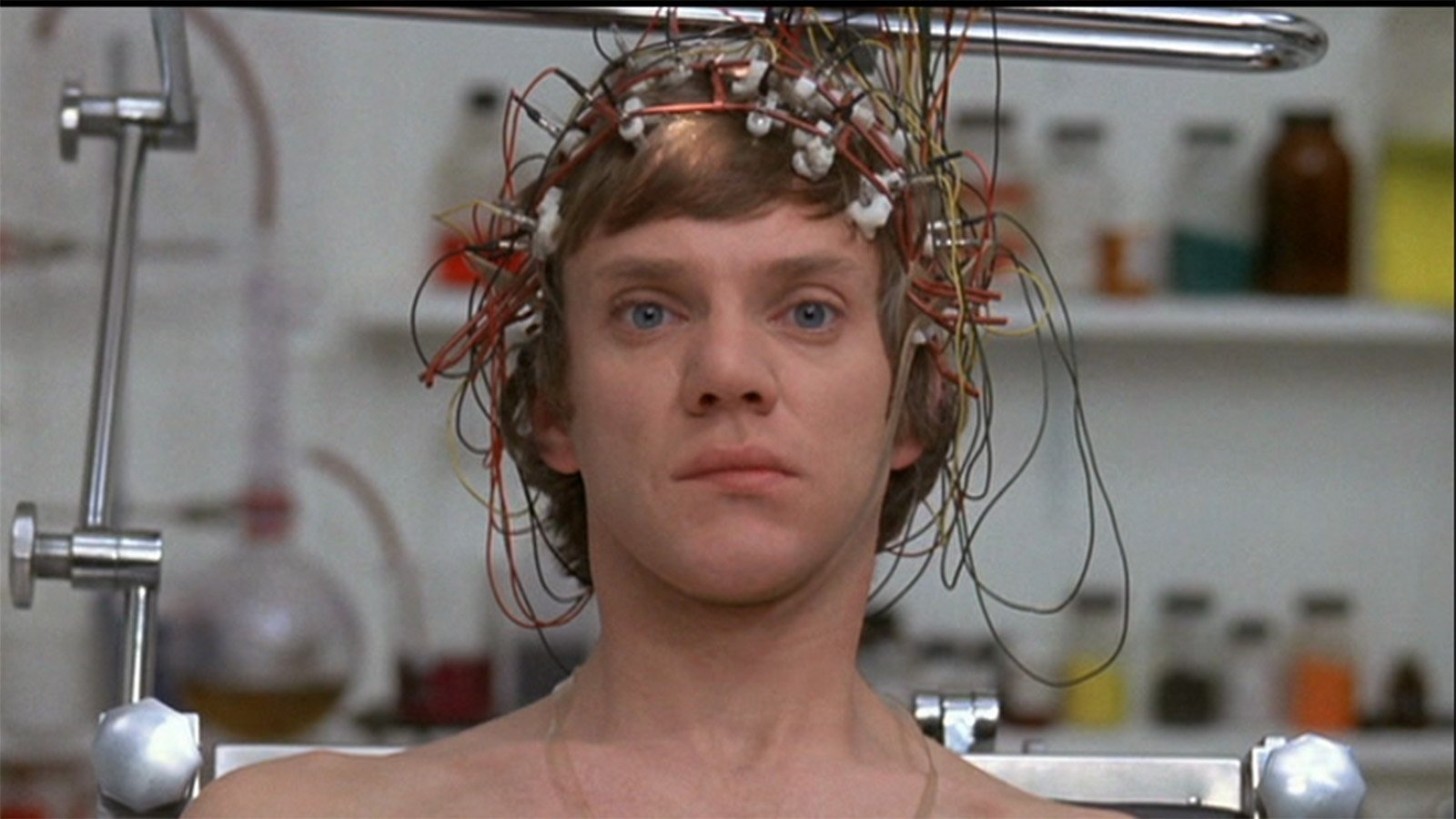
The film follows the surreal and often satirical journey of Mick Travis, a coffee salesman who navigates through a series of bizarre and often Kafkaesque experiences. Mick's adventures take him from a pharmaceutical company's exploitative research lab to a world of radical politics and celebrity, all while he grapples with his own identity and the societal pressures around him. Through Mick's eyes, the movie offers a sweeping, episodic critique of British society in the late 1960s and early 1970s.
Critical Reception
O Lucky Man! was met with critical acclaim for its ambitious scope, satirical wit, and Malcolm McDowell's performance. Critics praised its unconventional narrative structure and its sharp commentary on class, capitalism, and conformity. While some found its length and episodic nature challenging, the film is widely regarded as a landmark of British counter-cinema.
What Reviewers Say
Praised for its biting satire and social commentary.
Malcolm McDowell's central performance is a major highlight.
The film's experimental structure and length were noted by some critics.
Google audience: Audiences appreciated the film's unique blend of comedy and drama, finding its social critique relevant and engaging. The inventive storytelling and strong performances were frequently cited as positives.
Awards & Accolades
Nominated for the Palme d'Or at the 1973 Cannes Film Festival. Won the BAFTA Award for Best Original Song for 'O Lucky Man!'
Fun Fact
The film is the second in Lindsay Anderson's 'Mick Travis trilogy', preceded by 'If....' (1968) and followed by 'Britannia Hospital' (1982).
AI-generated overview · Verify ratings on official sources