
Insights
Plot Summary
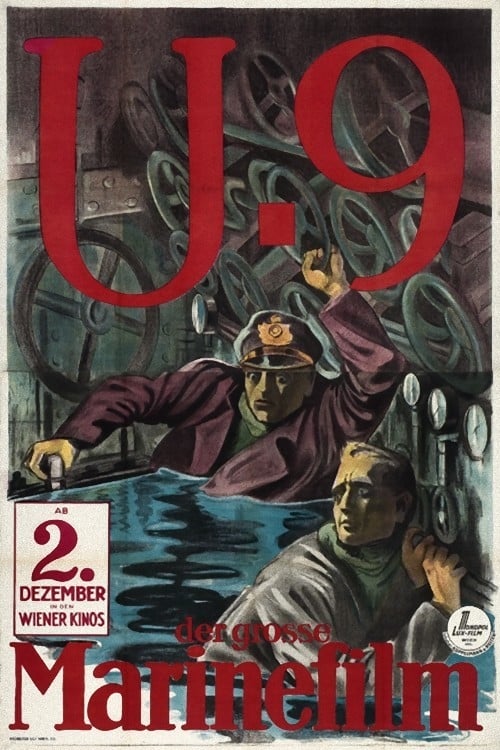
This silent German film dramatizes the story of Otto Weddigen, the commander of the German U-boat U-9, during World War I. It chronicles his daring raids and the sinking of four British cruisers in quick succession, highlighting his tactical brilliance and the perceived heroism of German submariners in the early days of the war. The film serves as a piece of wartime propaganda, aiming to boost national morale.
Critical Reception
As a propaganda film from the Weimar Republic era, "U 9 Weddigen" was likely produced to evoke nationalistic sentiment and admiration for German naval prowess. Contemporary reviews would have focused on its technical achievements for the time and its effectiveness in delivering its patriotic message. Modern critical analysis views it within the context of historical filmmaking and wartime propaganda, acknowledging its significant role in shaping public perception during its release.
What Reviewers Say
A significant piece of German silent cinema focused on naval warfare.
Effectively served as wartime propaganda during its initial release.
Highlights the tactical prowess attributed to U-boat commanders of the era.
Google audience: Information on Google user reviews for this historical silent film is not readily available.
Fun Fact
The film was made during the Weimar Republic, aiming to evoke pride in Germany's naval achievements during World War I, particularly the success of the U-9 submarine under Otto Weddigen.
AI-generated overview · Verify ratings on official sources