Movie spotlight
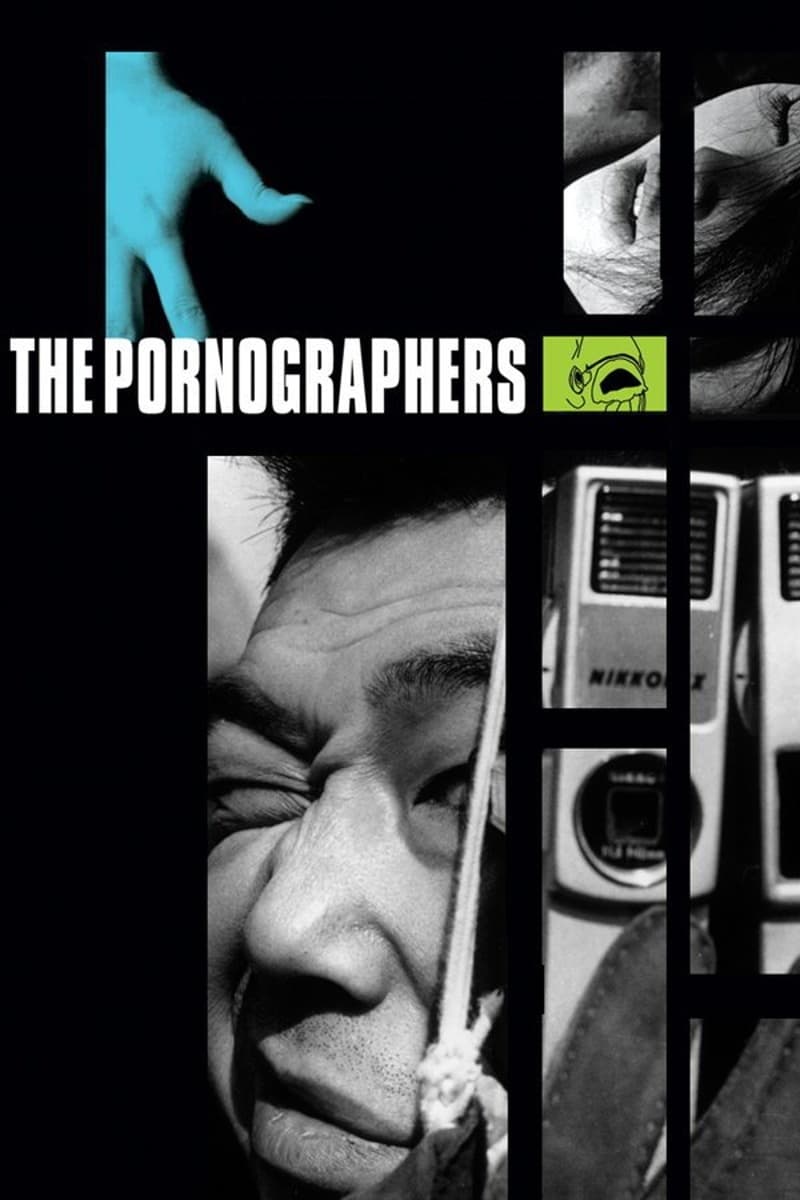
The Pornographers
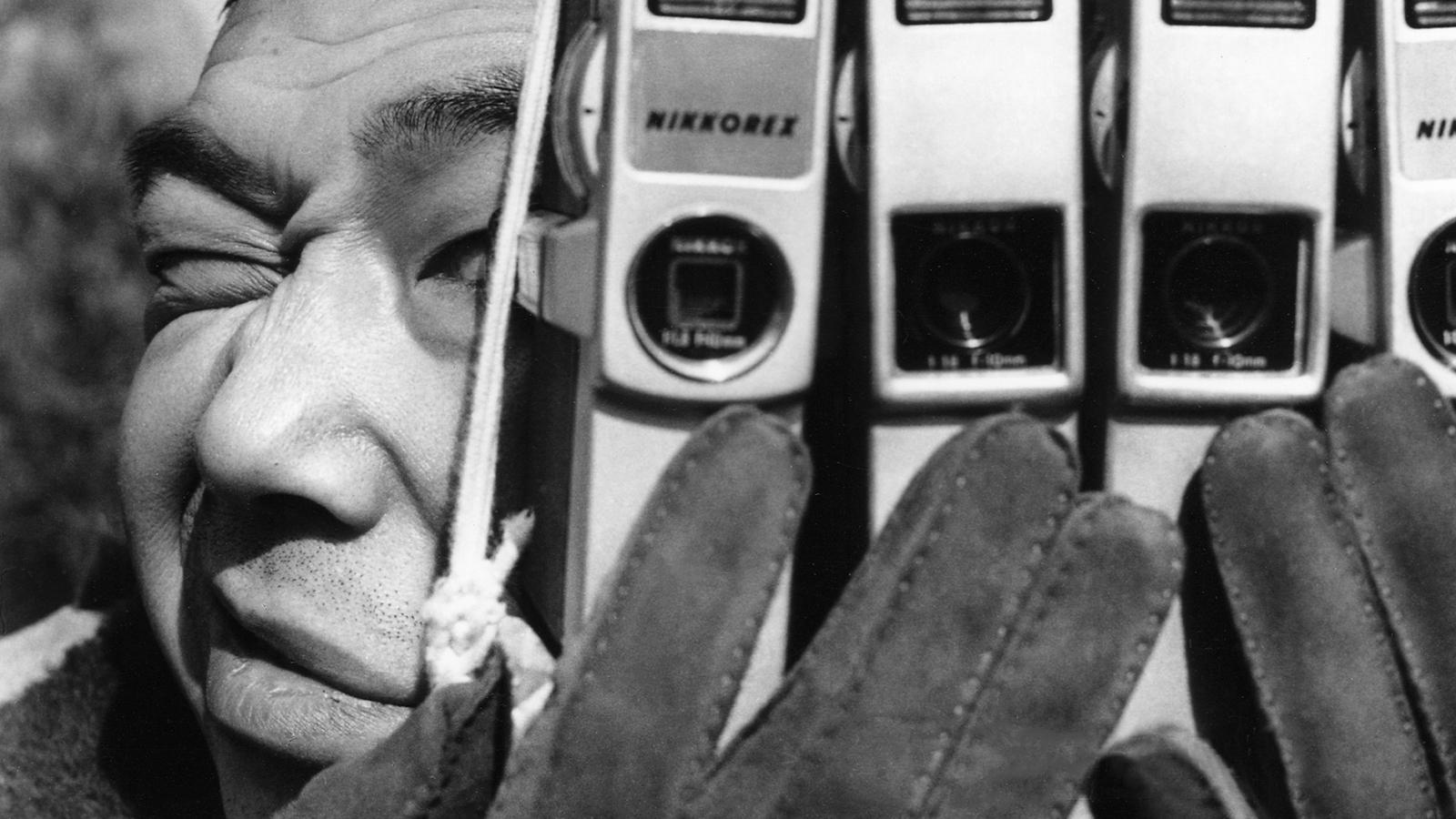
Subu makes pornographic films. He sees nothing wrong with it. They are an aid to a repressed society, and he uses the money to support his landlady, Haru, and her family. From time to time, Haru shares her bed with Subu, though she believes her dead husband, reincarnated as a carp, disapproves. Director Shohei Imamura has always delighted in the kinky exploits of lowlifes, and in this 1966 classic, he finds subversive humor in the bizarre dynamics of Haru, her Oedipal son, and her daughter, the true object of her pornographer-boyfriend’s obsession. Imamura’s comic treatment of such taboos as voyeurism and incest sparked controversy when the film was released, but The Pornographers has outlasted its critics, and now seems frankly ahead of its time.
Insights
Plot Summary
This British drama chronicles the life of a man who runs a successful pornography business. As his empire grows, he becomes increasingly entangled in the moral and legal complexities of his trade. The film explores themes of obsession, desire, and the societal impact of censorship and moral judgment.
Critical Reception
Upon its release, 'The Pornographers' generated considerable controversy due to its subject matter. Critical reception was divided, with some praising its daring exploration of taboo themes and others condemning its explicit content. It is often viewed as a product of its time, reflecting changing social attitudes towards sexuality and censorship in the 1960s.
What Reviewers Say
Praised for its bold approach to a controversial subject.
Criticized for its potentially exploitative nature.
Seen as a significant, albeit divisive, film of its era.
Google audience: Information on specific Google user reviews for 'The Pornographers (1966)' is not readily available.
Fun Fact
Despite its controversial subject matter, 'The Pornographers' was screened at the 1966 Cannes Film Festival, though not in the main competition.
AI-generated overview · Verify ratings on official sources