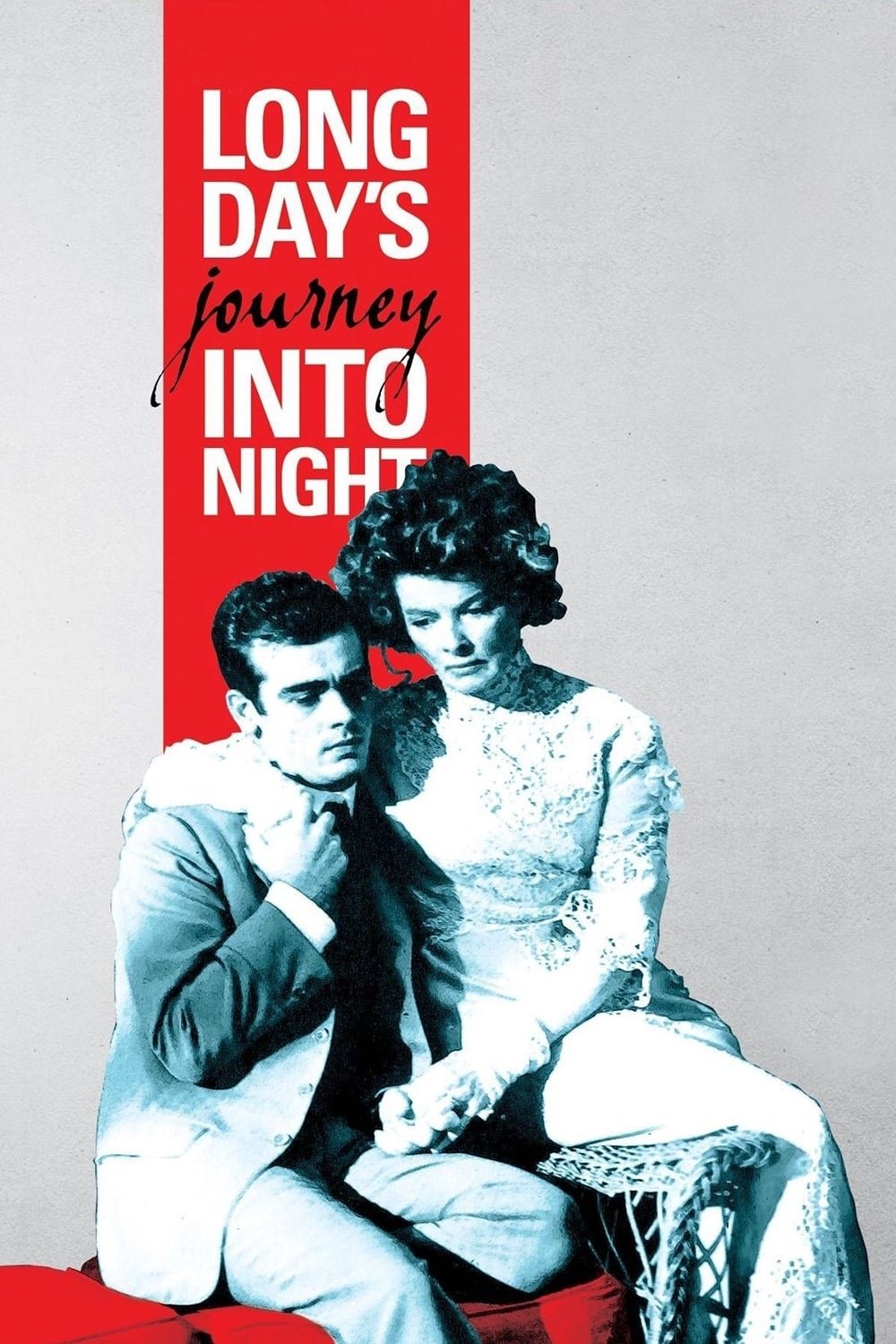
Long Day's Journey Into Night
An Irish miser, his morphine addicted wife, their debauched older son, and a gravely ill younger son. A quiet Connecticut vacation home on one foggy day in August 1912 becomes the backdrop for domestic decline.
Insights
Plot Summary
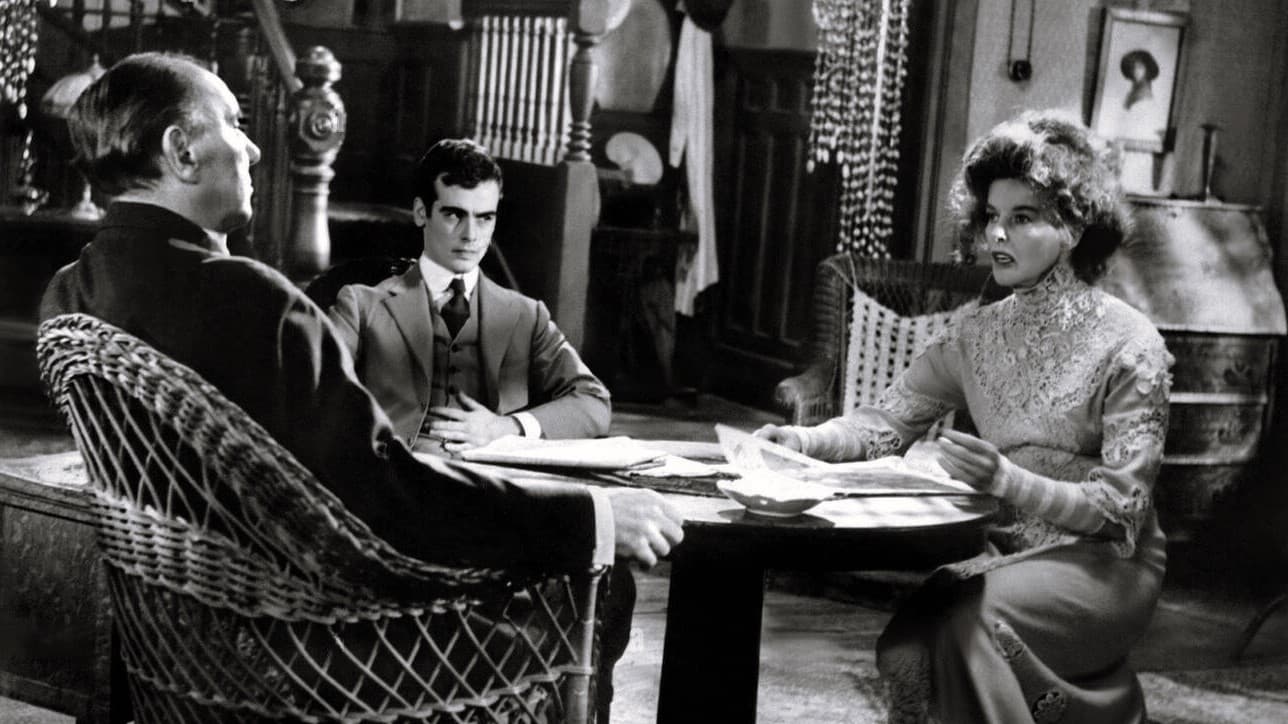
The film chronicles a single, harrowing day in the life of the Tyrone family, an Irish-American clan residing in Connecticut in 1912. Patriarch James Tyrone, a miserly actor, struggles with his addiction to alcohol and his past regrets. His wife, Mary, battles a worsening morphine addiction, fueled by anxiety and despair. Their two sons, Jamie and Edmund, are also deeply troubled, grappling with their own addictions, resentments, and the pervasive legacy of their family's dysfunction and illness. As the day progresses and the whiskey flows, painful truths and bitter accusations surface, exposing the deep-seated unhappiness and shattered dreams within the family.
Critical Reception
Long Day's Journey Into Night was met with significant critical acclaim, particularly for its powerful performances and faithful adaptation of Eugene O'Neill's seminal play. Katharine Hepburn, Ralph Richardson, and Jason Robards were singled out for their intense portrayals, with Hepburn receiving particular praise for her harrowing depiction of Mary Tyrone. The film's unflinching realism and emotional depth resonated with critics, though some found its intensity and length challenging.
What Reviewers Say
- A monumental and harrowing cinematic adaptation of a theatrical masterpiece.
- Boasts powerhouse performances, especially from Katharine Hepburn, that are both devastating and unforgettable.
- The film's raw emotional intensity and bleak portrayal of family dysfunction are masterfully captured.
Google audience: Audiences largely lauded the film for its potent performances and its faithful, impactful adaptation of the classic play. Viewers were moved by the emotional depth and the raw portrayal of familial struggles, with many praising the actors' commitment to their challenging roles.
Awards & Accolades
Katharine Hepburn was nominated for the Academy Award for Best Actress. The film won the Palme d'Or at the 1962 Cannes Film Festival.
Fun Fact
Katharine Hepburn famously insisted on performing the demanding role of Mary Tyrone without the use of any makeup, wanting to portray the character's physical and emotional deterioration as authentically as possible.
AI-generated overview · Verify ratings on official sources