
Movie spotlight
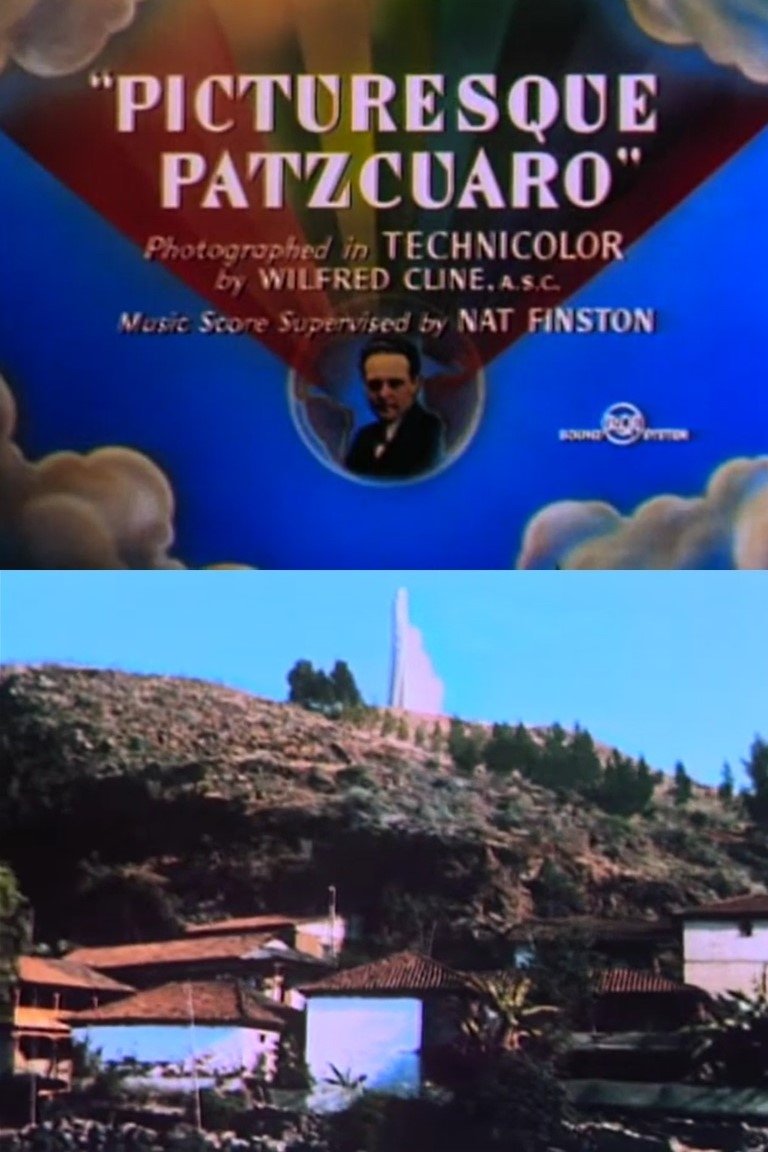
Picturesque Patzcuaro
Lake Patzcuaro, located 230 miles west of Mexico City, is one of the highest and most picturesque bodies of water in Mexico. The heritage of the indigenous peoples of the area, the Tarascans, still prevails, such as the production of lacquer-ware handicrafts, and the means of hunting and fishing, the latter which uses nets shaped like large butterfly wings. Although most current day Tarascans are Roman Catholic, they have not totally abandoned their indigenous pagan gods. On Janitzio, one of the many islands in the lake, stands a large statue commemorating José María Morelos, a prominent figure in Mexican liberation and a great benefactor to the Tarascans. Janitzio is also the inspiration for many famous paintings. The town of Tzintzuntzan just inland from the lake's shore acts as the regional center for the market and for festivals.
Insights
Plot Summary
This short documentary offers a glimpse into the picturesque town of Pátzcuaro, Michoacán, Mexico. It showcases the local culture, indigenous traditions, and the scenic beauty surrounding Lake Pátzcuaro. The film captures the essence of daily life and the unique atmosphere of this historic region. Viewers are treated to images of local artisans, markets, and the natural landscapes that define Pátzcuaro.
Critical Reception
As a short documentary from 1942, specific critical reception details are scarce in modern databases. However, similar ethnographic and travelogue shorts of its era were generally appreciated for their educational and cultural value, providing audiences with views of remote or exotic locations and traditions. It likely served as an informative piece for audiences unfamiliar with Mexican culture and geography at the time.
What Reviewers Say
Offers a visual journey into Mexican culture and scenery.
Appreciated for its ethnographic and historical snapshot.
Provides a brief, informative look at Pátzcuaro and its surroundings.
Google audience: Information on Google user reviews for this specific short film from 1942 is not available.
Fun Fact
This film was produced by the U.S. Army's Signal Corps, likely as part of efforts to foster good relations and understanding with Latin American countries during World War II.
AI-generated overview · Verify ratings on official sources