Movie spotlight
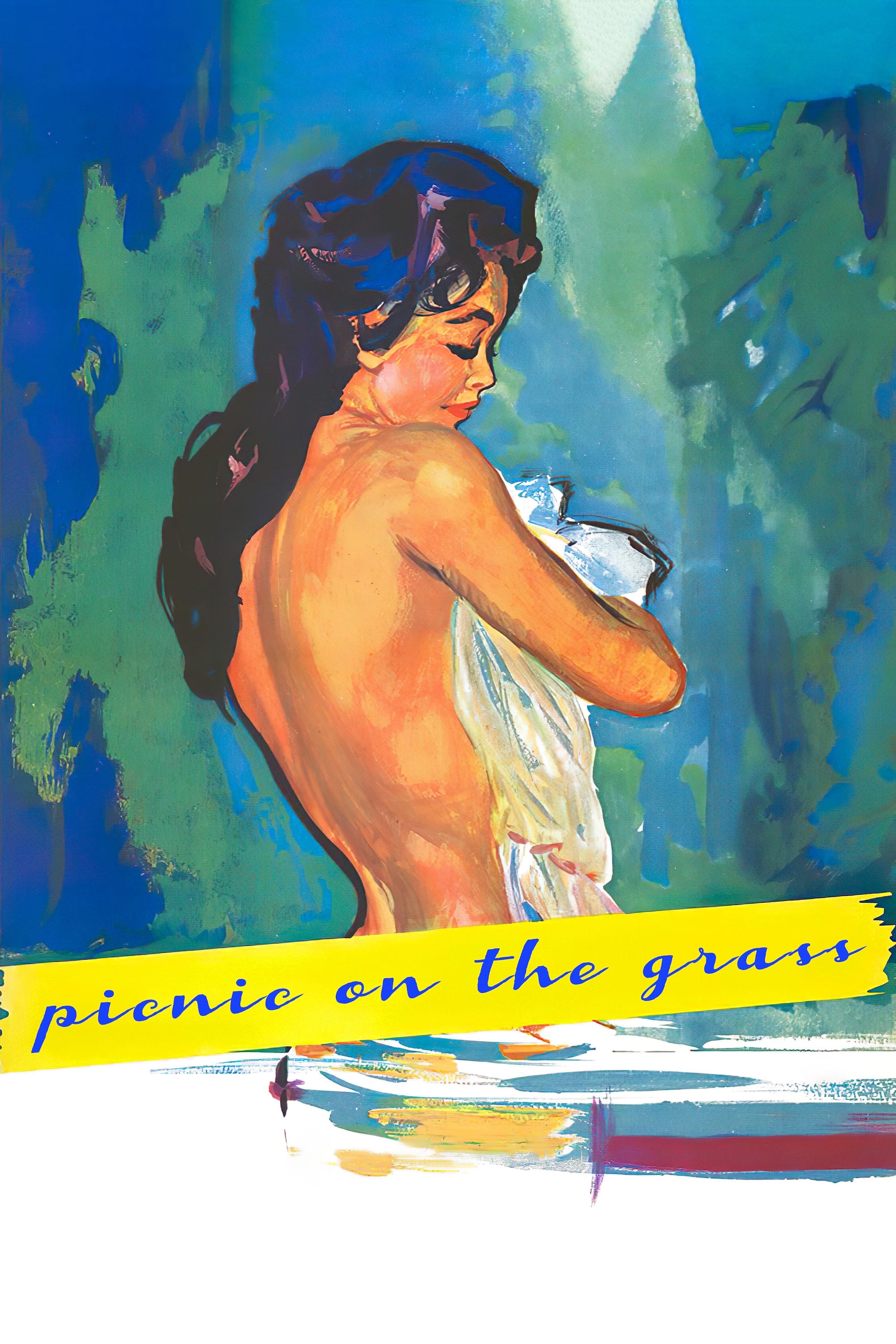
Picnic on the Grass
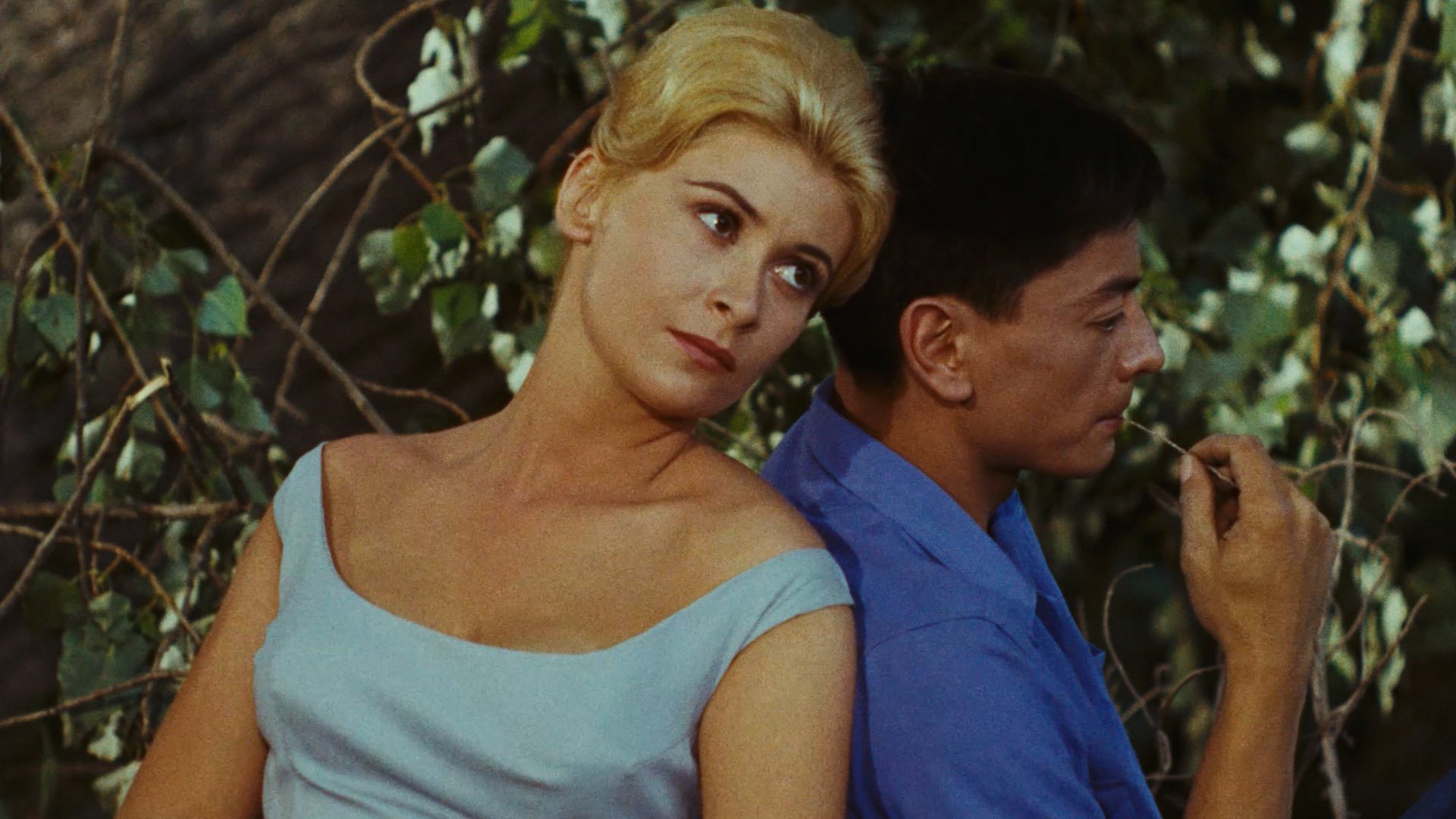
New Europe presidential candidate Etienne Alexis is a scientist promoting artificial insemination for social betterment and therapy to eliminate passion. To celebrate his engagement to a cousin, he hosts an aseptic picnic, where Mother Nature asserts herself. A shepherd's flute conjures a windstorm throwing Alexis together with the luscious Nénette, a farm lass who, although unimpressed with men, wants to have a baby.
Insights
Plot Summary
A young painter, engaged to a materialistic woman, finds himself drawn to the freedom and natural beauty embodied by a young woman who lives in a commune. The film explores themes of societal conventions, artistic freedom, and the clash between bourgeois values and a more bohemian lifestyle.
Critical Reception
Jean Renoir's 'Picnic on the Grass' is a late-career work that, while perhaps not as universally acclaimed as some of his earlier masterpieces, is appreciated for its philosophical depth and its director's characteristic humanism. Critics noted its blend of light comedy with serious commentary on tradition versus liberation.
What Reviewers Say
Praised for its intellectual themes and Renoir's signature gentle, observational style.
Some found the pacing slow and the narrative less engaging than his earlier, more dynamic films.
Appreciated for its exploration of societal hypocrisy and the pursuit of individual freedom.
Google audience: Information on specific Google user reviews for this film is not readily available.
Fun Fact
Jean Renoir himself appears in the film, playing the role of the archaeologist Professor Dubois.
AI-generated overview · Verify ratings on official sources