
Peyton Place
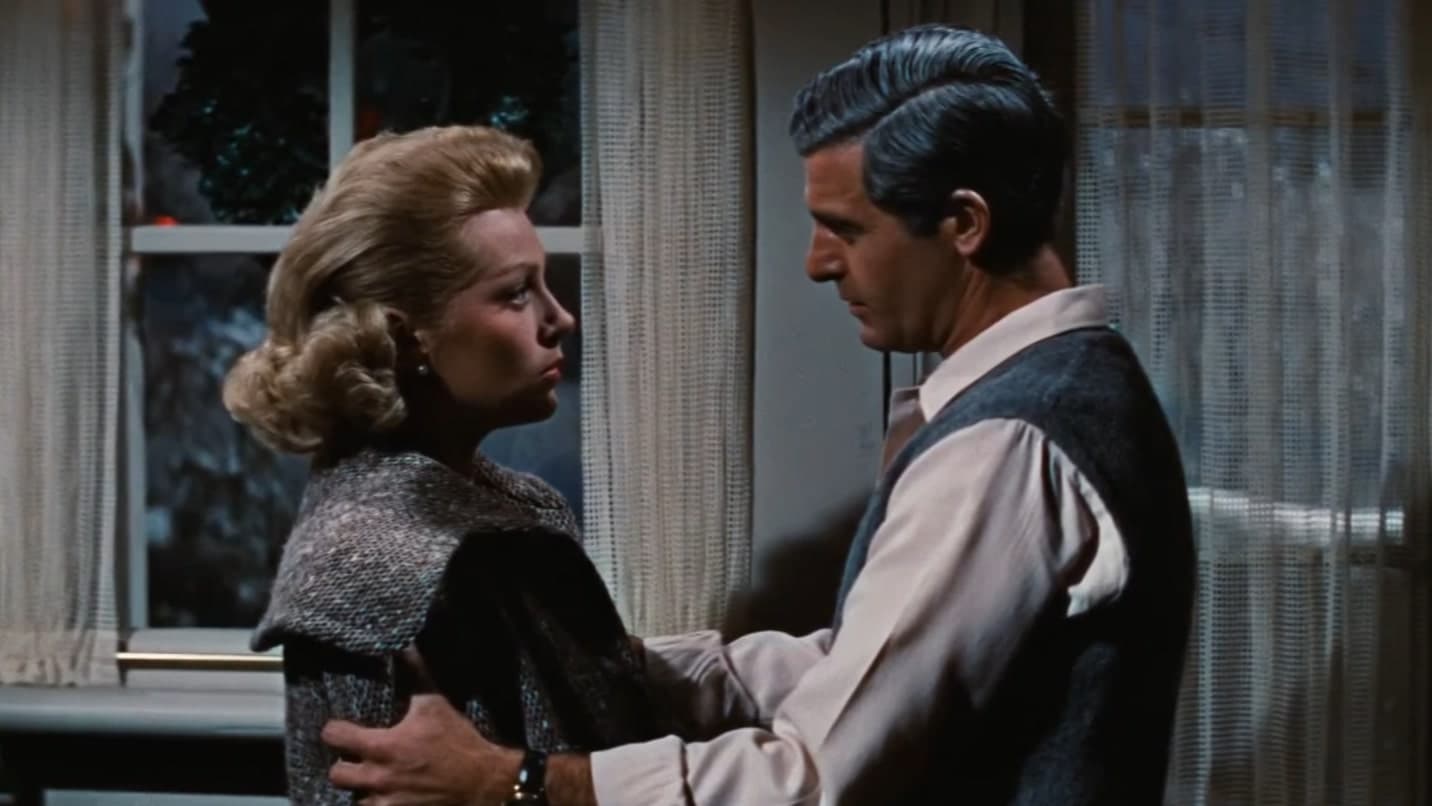
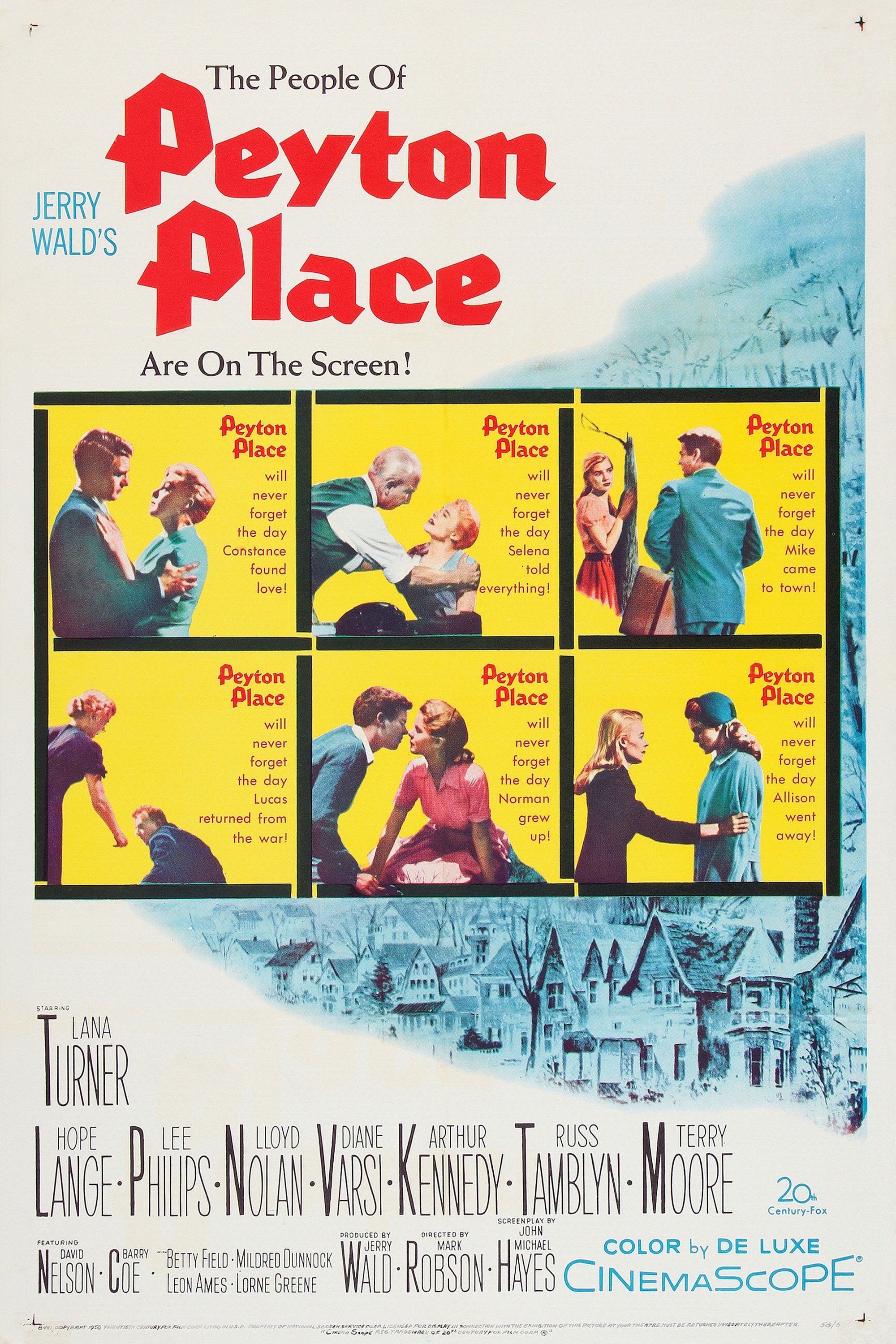
In the outwardly respectable New England community of Peyton Place, shopkeeper Constance McKenzie tries to make up for a past indiscretion -- which resulted in her illegitimate daughter Allison -- by adopting a chaste, prudish attitude towards all things sexual. In spite of herself, Constance can't help but be attracted to handsome new teacher Michael Rossi. Meanwhile, the restless Allison, who'd like to be as footloose and fancy-free as the town's "fast girl" Betty Anderson, falls sincerely in love with mixed-up mama's boy Norman Page.
Insights
Plot Summary
In the seemingly idyllic town of Peyton Place, secrets and scandals simmer beneath the surface. The story centers on Constance MacKenzie, a single mother trying to protect her innocent daughter, Allison, from the harsh judgments and hidden desires of the small-town inhabitants. As Allison navigates adolescence and discovers the complexities of love and betrayal, the town's carefully constructed facade begins to crumble, revealing hypocrisy, forbidden relationships, and dark family histories.
Critical Reception
Peyton Place was a significant box office success and a cultural phenomenon upon its release, praised for its daring exploration of taboo subjects for the era. While some critics found its melodrama excessive, many lauded its performances and its willingness to tackle themes of sexual repression, teenage sexuality, and small-town hypocrisy.
What Reviewers Say
- Praised for its bold portrayal of mature themes and melodrama.
- Lauded for its strong performances, particularly Lana Turner.
- Criticized by some for its sensationalism but acknowledged for its impact.
Google audience: Audiences appreciated the film's dramatic storytelling and its willingness to explore controversial topics for its time. Many viewers found the performances compelling and the narrative engaging, despite some noting the film's melodramatic elements.
Awards & Accolades
Nominated for 9 Academy Awards, including Best Director, Best Actress (Lana Turner), Best Supporting Actor (Arthur Kennedy and Russ Tamblyn), Best Supporting Actress (Diane Varsi and Hope Lange), and Best Adapted Screenplay.
Fun Fact
The film was based on the controversial 1956 novel of the same name by Grace Metalious, which was a bestseller despite its explicit content that led to censorship challenges in many communities.
AI-generated overview · Verify ratings on official sources