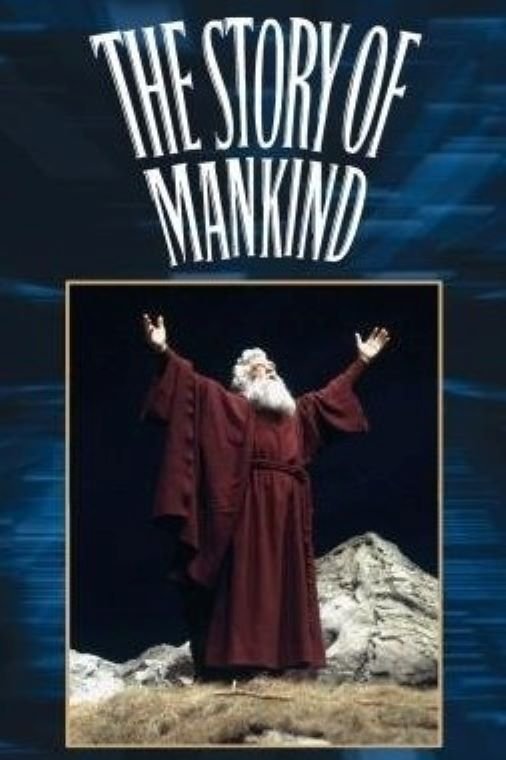

The Story of Mankind
The devil and the spirit of mankind argue as to whether or not humanity is ultimately good or evil.
Insights
Plot Summary
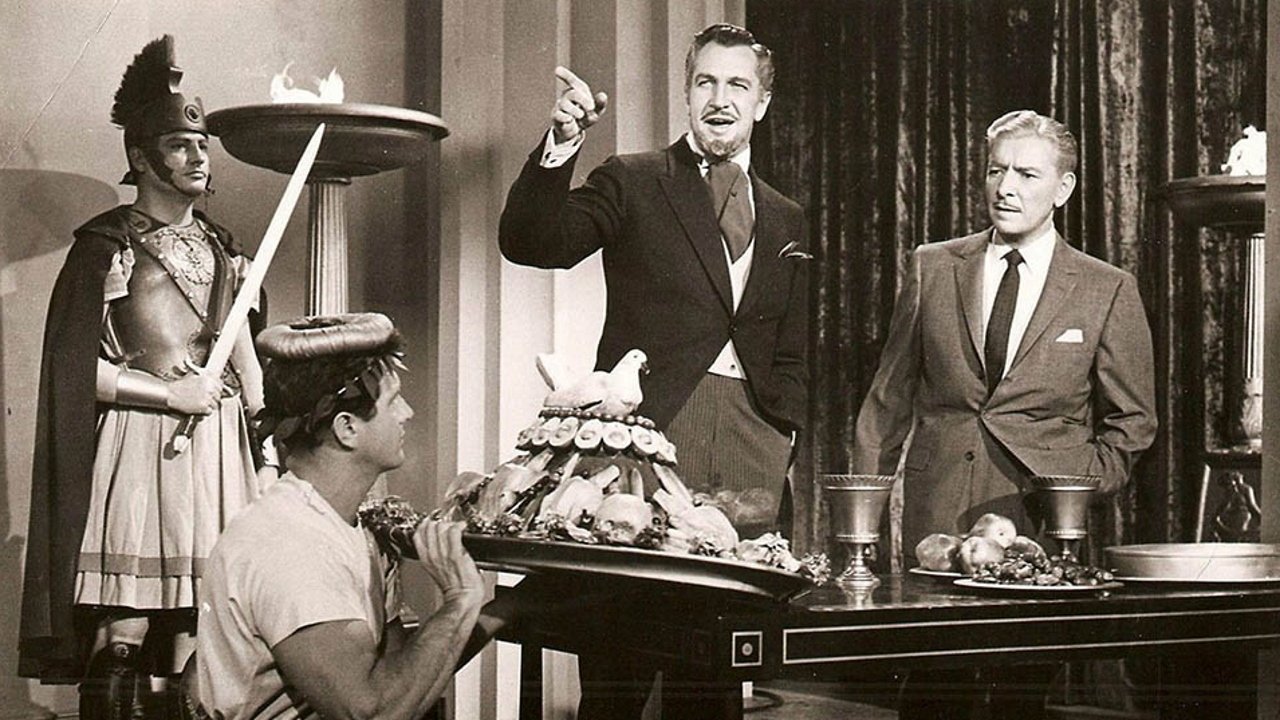
A celestial "Supreme Being" convenes a cosmic trial to determine if humanity is worthy of continued existence. To aid in this judgment, the "Supreme Being" summons historical figures such as "The Greats" (representing human progress) and "The Spenders" (representing human folly) to present their cases. The film uses historical reenactments and comedic skits to illustrate key moments in human history, from cavemen to the Space Age.
Critical Reception
The Story of Mankind received mixed reviews upon its release. While some critics appreciated its ambitious scope and educational intent, many found its tone uneven, shifting between serious historical reflection and lighthearted satire. The film's blend of historical accuracy with comedic interpretations was a point of contention, and its narrative structure, driven by a courtroom-style trial in the heavens, was often seen as contrived. Despite critical reservations, it found a certain audience for its unique approach to depicting human history.
What Reviewers Say
- Praised for its ambitious attempt to cover the entirety of human history.
- Criticized for an inconsistent tone that vacillates between educational and comedic.
- Noted for its unique, albeit sometimes clumsy, narrative device of a heavenly trial.
Google audience: Audience reception for "The Story of Mankind" is not readily available through typical aggregated review platforms like Google, making it difficult to summarize specific user sentiments.
Awards & Accolades
None notable.
Fun Fact
The film features a star-studded cast portraying famous historical figures, including Groucho Marx as King Louis XV, Harpo Marx as a gladiator, and Mae West as an Eve-like figure named "Venus." The Marx Brothers' appearances were somewhat unusual for their typical comedic style.
AI-generated overview · Verify ratings on official sources