Movie spotlight
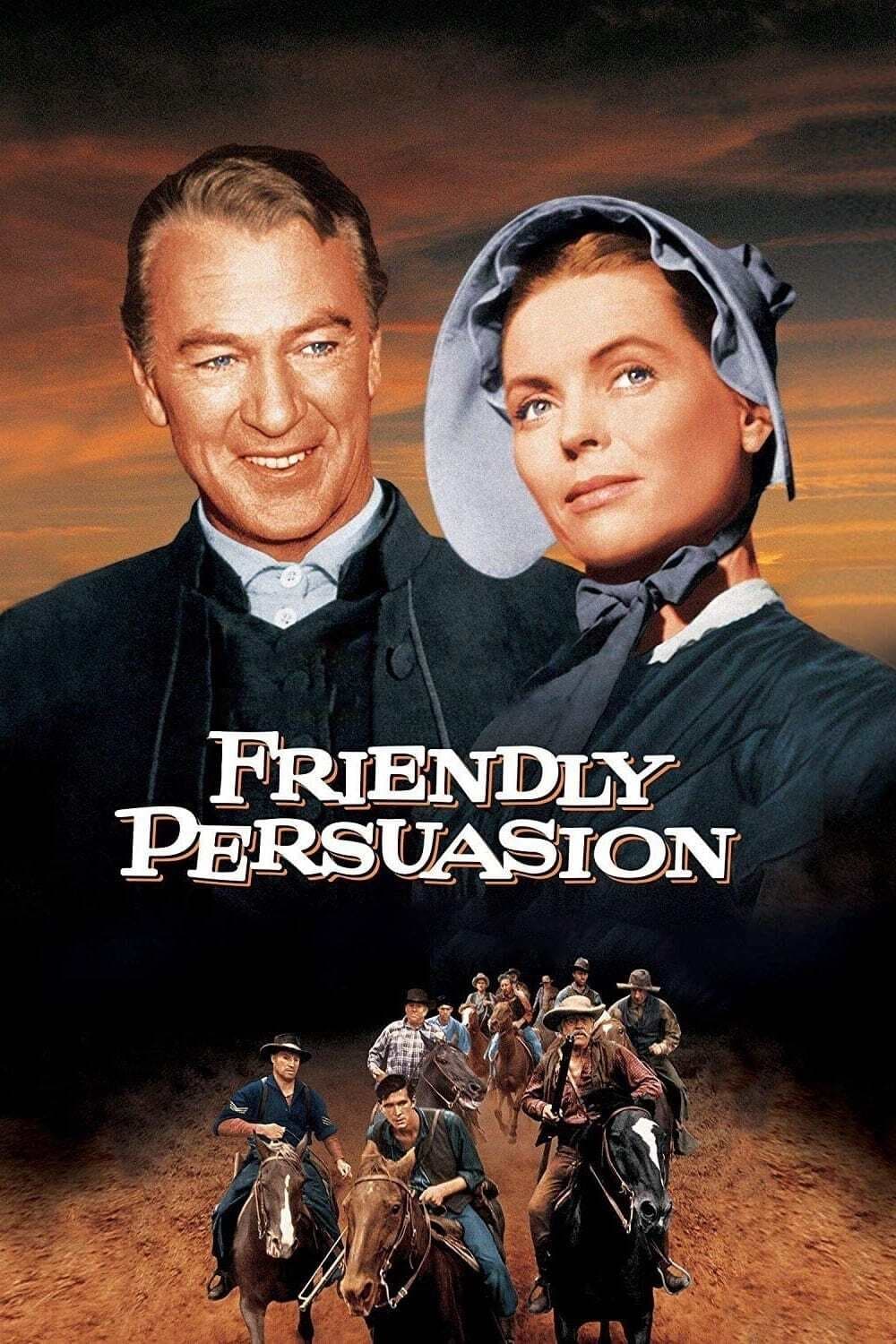
Friendly Persuasion
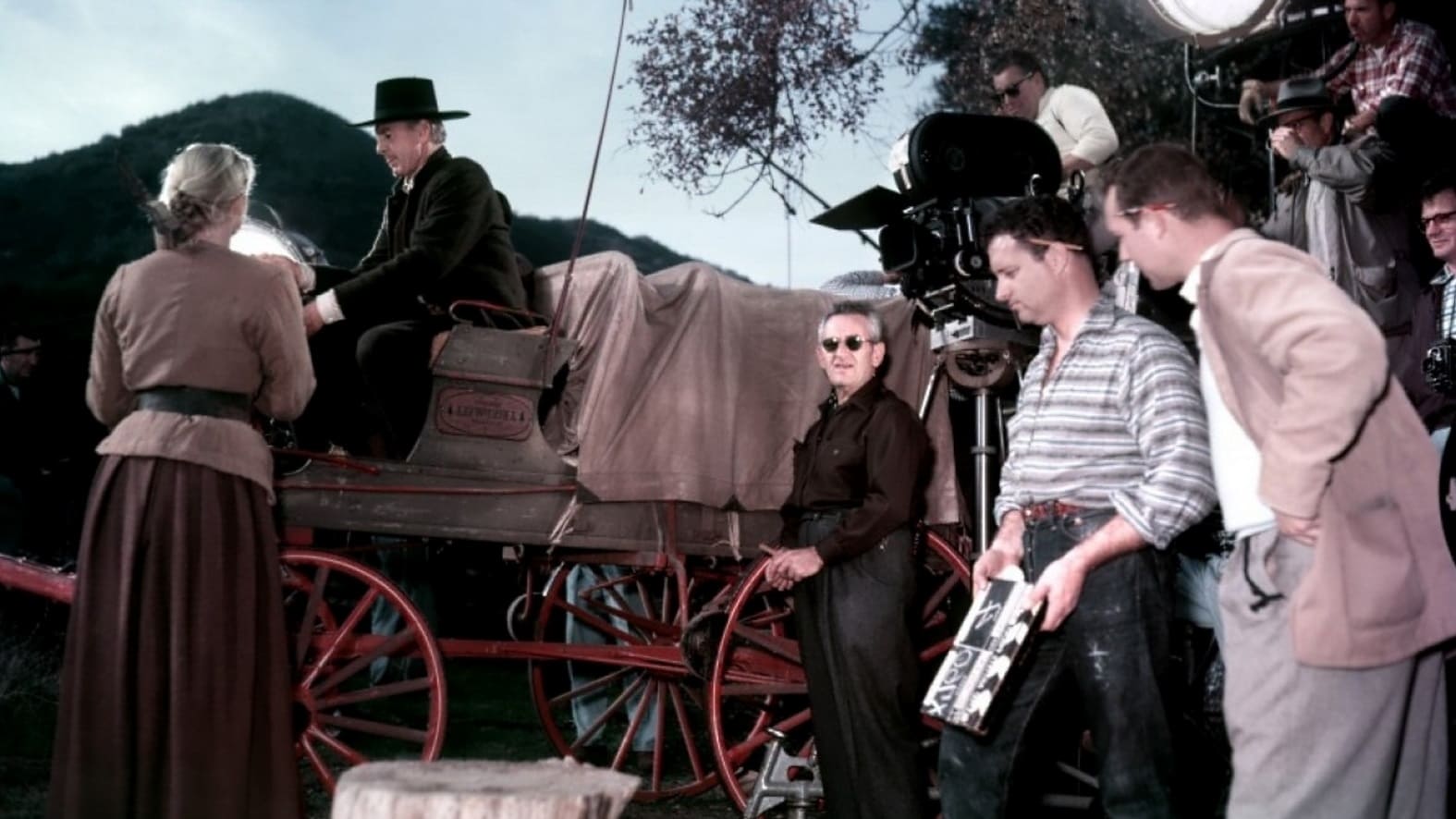
The story of a family of Quakers in Indiana in 1862. Their religious sect is strongly opposed to violence and war. It's not easy for them to meet the rules of their religion in everyday life but when Southern troops pass the area they are in real trouble. Should they fight, despite their peaceful attitude?
Insights
Plot Summary
In 1850s Indiana, a Quaker family grapples with their pacifist beliefs when a group of malevolent men threaten their farm. Jess Birdwell, the patriarch, is torn between his religious convictions and the need to protect his family, leading to internal conflict within the household as his wife and sons have different interpretations of their faith's stance on violence.
Critical Reception
Friendly Persuasion was critically acclaimed upon its release, praised for its sensitive portrayal of faith, family, and moral dilemmas. Gary Cooper's performance was particularly lauded, and William Wyler's direction was recognized for its nuanced handling of the dramatic subject matter. It resonated with audiences for its exploration of conscientious objection and the challenges of maintaining peace in a violent world.
What Reviewers Say
Praised for its poignant exploration of Quaker beliefs and pacifism.
Gary Cooper's performance is a standout, embodying the internal conflict of his character.
William Wyler's direction skillfully balances dramatic tension with moments of quiet introspection.
Google audience: Audience reviews highlight the film's powerful message about faith and non-violence, with many appreciating the emotional depth and strong performances, particularly Gary Cooper's.
Awards & Accolades
Nominated for six Academy Awards, including Best Picture, Best Director, and Best Actor for Gary Cooper. Won the Palme d'Or at the Cannes Film Festival.
Fun Fact
The film is based on Jessamyn West's semi-autobiographical novel of the same name, which draws from her own experiences growing up in a Quaker family.
AI-generated overview · Verify ratings on official sources