
Movie spotlight
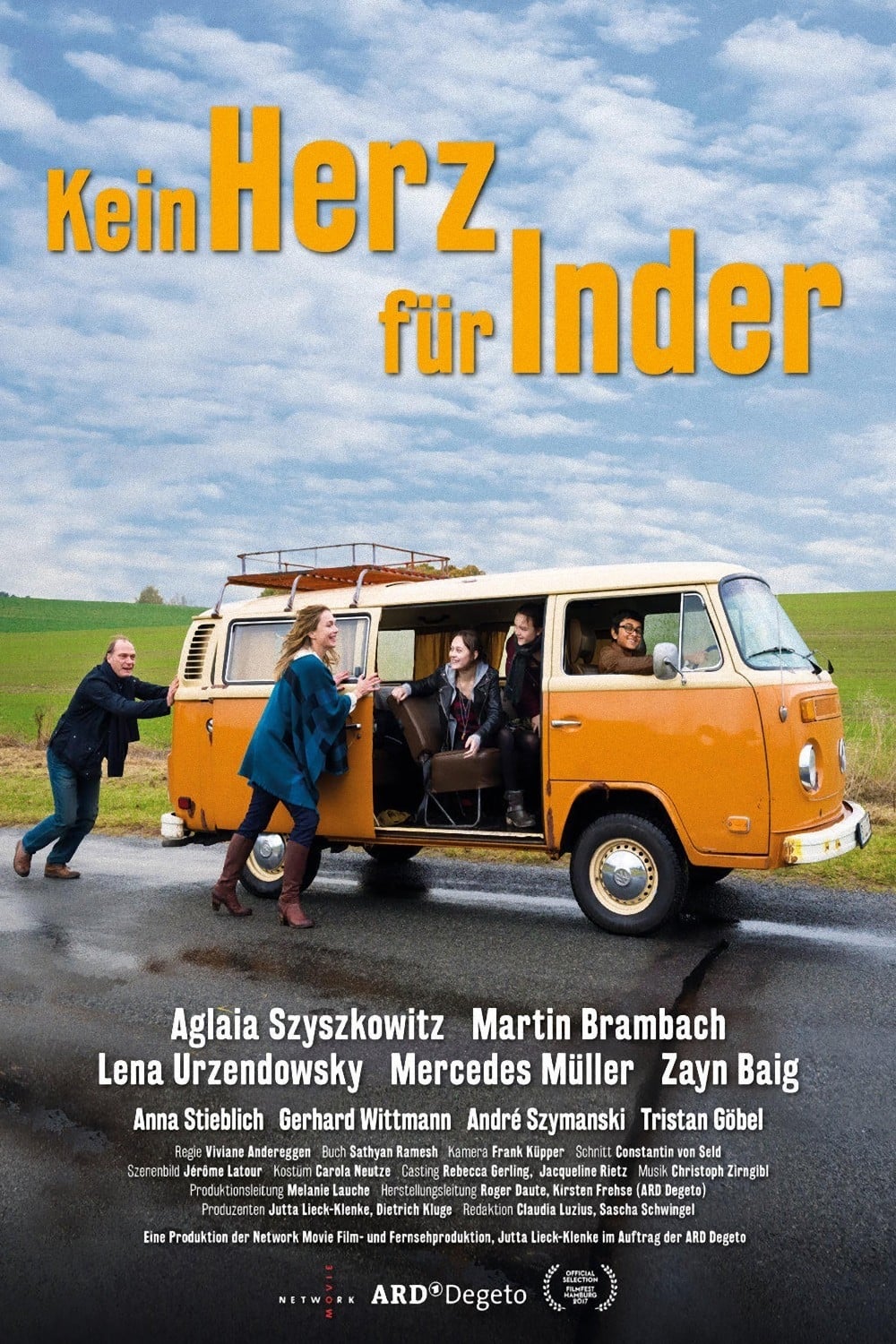
Kein Herz für Inder
Family Neufund is an exchange student from England in the house! The host parents Martin Brambach and Aglaia Szyszkowitz see this as a chance to finally win a girlfriend for their idiosyncratic 16-year-old daughter. But at the airport is not the expected "hip" Sandy McCartney from London in front of them, but a 13-year-old Indian boy! You want to get rid of the little Hindu as soon as possible. In a roundabout way, Zayn Baig in the role of the unwanted guest and Lena Urzendowsky as a loner are still pretty good friends.
Insights
Plot Summary
This documentary delves into the controversial history of the German television series 'Ein Herz und eine Seele' and its problematic portrayal of a working-class family. It examines the show's impact, the societal context of its creation, and the reactions it elicited, particularly regarding its depiction of marginalized groups.
Critical Reception
As a documentary exploring sensitive historical and social themes, 'Kein Herz für Inder' was primarily noted for its in-depth research and its critical examination of German television history. Critics acknowledged its important contribution to understanding the complexities of representation and societal attitudes reflected in popular media during the 1970s.
What Reviewers Say
Offers a compelling critical analysis of a culturally significant, yet controversial, German television series.
Highlights the documentary's thorough exploration of the show's societal impact and the ethical considerations of its content.
Appreciated for its historical context and its examination of how media reflects and shapes public perception.
Google audience: Information on Google user reviews for this specific documentary is not readily available. However, the subject matter suggests it would appeal to audiences interested in media history, sociology, and critical analysis of German television.
Fun Fact
The documentary directly confronts the problematic use of stereotypes in the original series 'Ein Herz und eine Seele,' which aired from 1973 to 1976 and was known for its provocative and often offensive humor.
AI-generated overview · Verify ratings on official sources