Movie spotlight
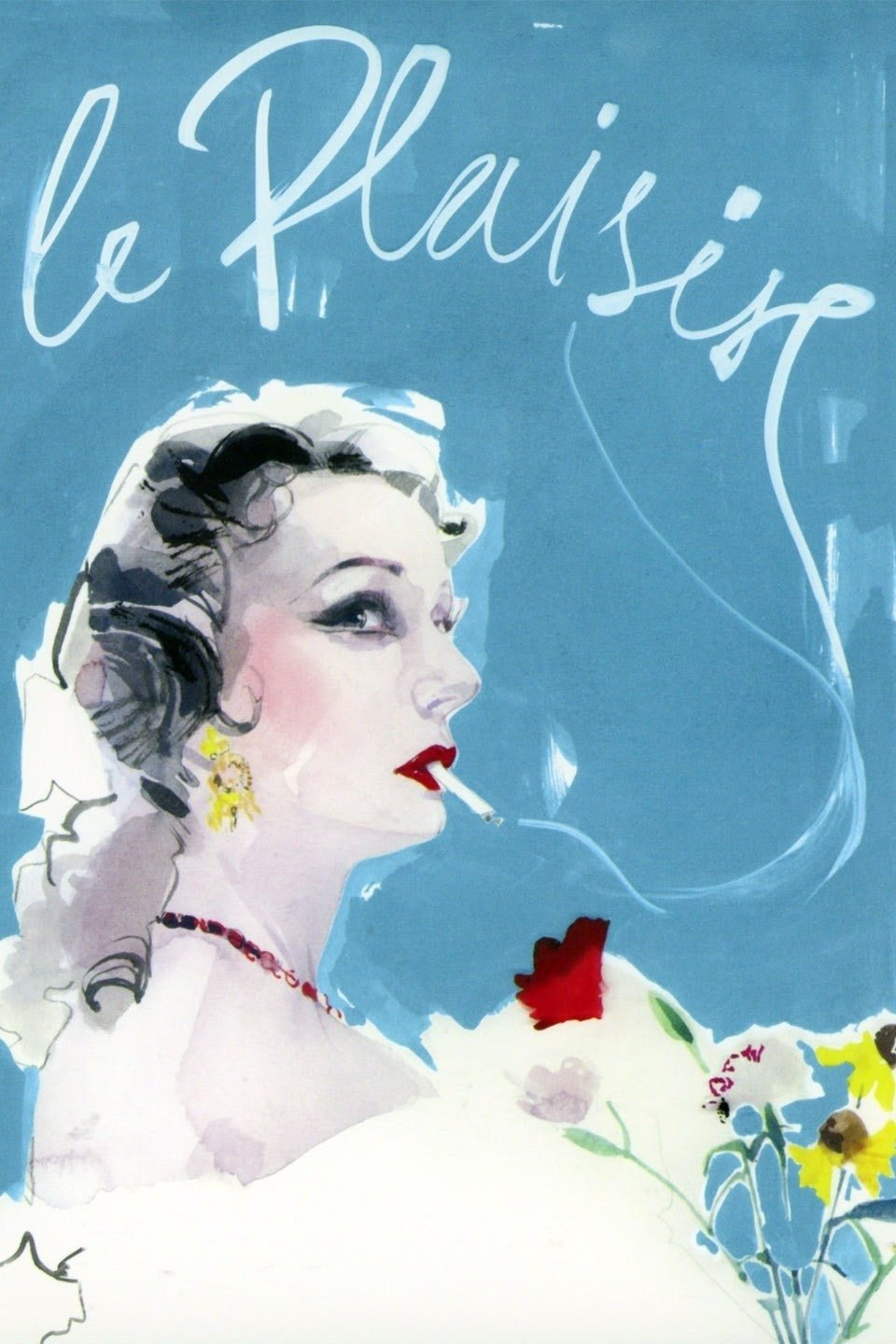
Le Plaisir
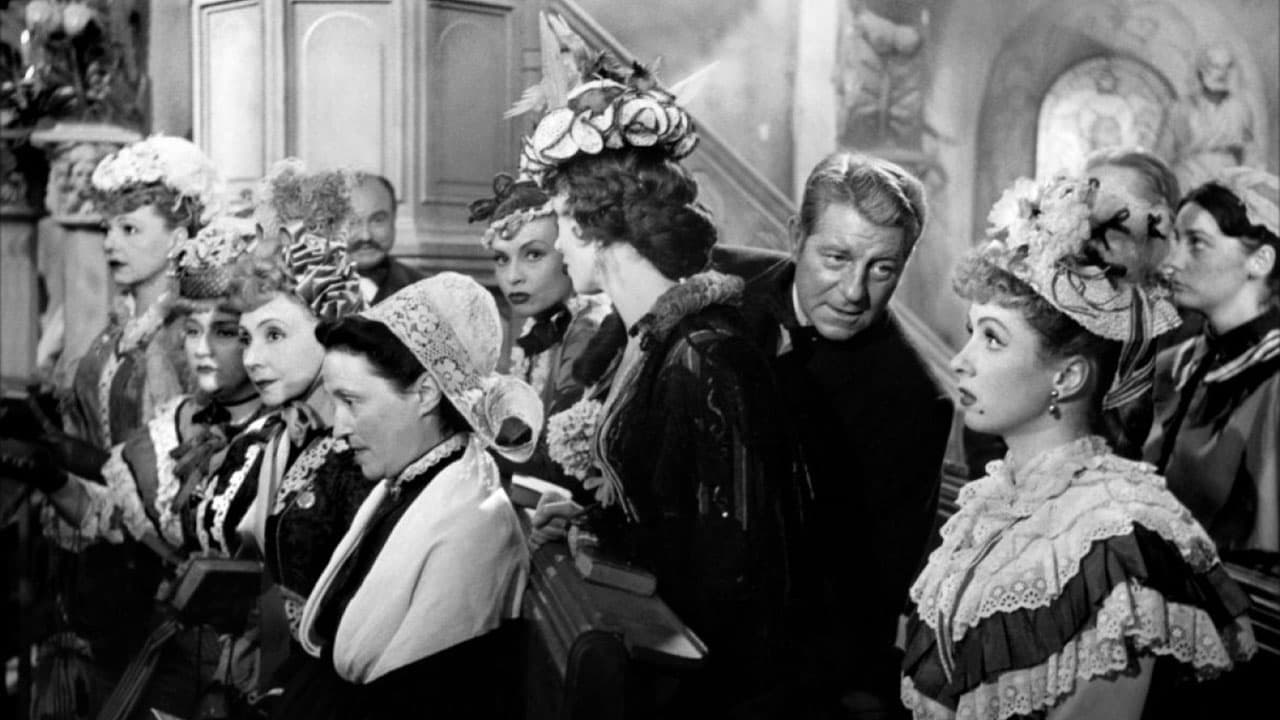
Three stories about the pleasure. The first one is about a man hiding his age behind a mask to keep going to balls and fancying women - pleasure and youth. Then comes the long tale of Mme Tellier taking her girls (whores) to the country for attending her niece's communion - pleasure and purity. And lastly, Jean the painter falling in love with his model - pleasure and death.
Insights
Plot Summary
This film is an anthology of three stories, all based on stories by Guy de Maupassant. The first segment, 'The Mask,' follows a man who finds himself drawn to a prostitute and her artificial cheerfulness. The second, 'The Necklace,' tells the story of a man who loses his wife's prized necklace, leading to a series of unfortunate events. The final segment, 'Mademoiselle Fifi,' depicts a cabaret singer's defiance during the Franco-Prussian War.
Critical Reception
Le Plaisir was critically acclaimed upon its release for its elegant direction, exquisite cinematography, and sensitive exploration of human emotions and social commentary. The film is considered a masterpiece of French cinema and a significant work by Max Ophuls.
What Reviewers Say
Praised for its visually stunning and sophisticated direction.
Celebrated for its nuanced portrayals of human desires and societal constraints.
Considered a beautifully melancholic and poignant collection of stories.
Google audience: Audiences have consistently praised 'Le Plaisir' for its artistic beauty and emotional depth, with many appreciating its timeless themes and Ophuls' masterful storytelling.
Awards & Accolades
Nominated for the Palme d'Or at the 1952 Cannes Film Festival.
Fun Fact
The film was originally intended to be shot in color, but due to budgetary constraints, it was ultimately filmed in black and white.
AI-generated overview · Verify ratings on official sources