Movie spotlight
Saint-Saëns: Samson et Dalila
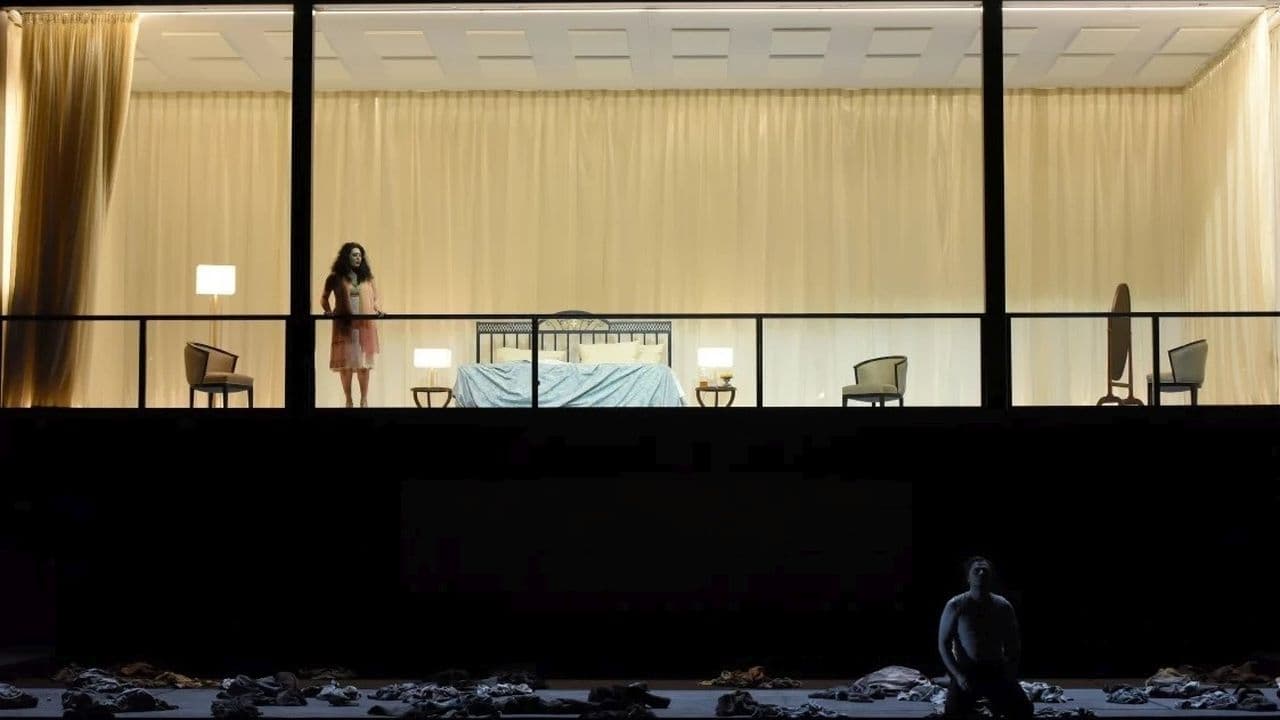
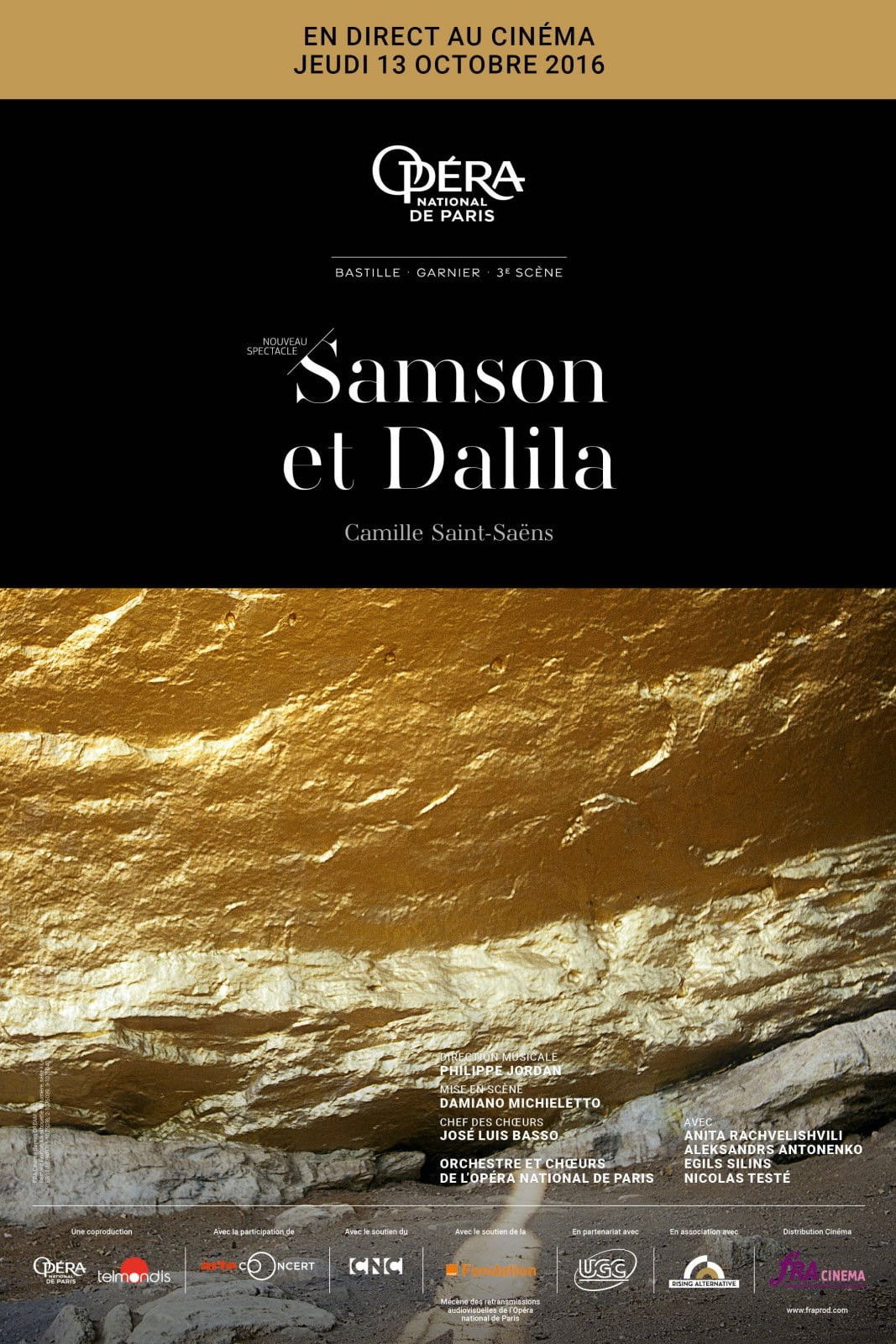
Lightning streaks through the skies as Dalila declares her love to Samson in one of the finest arias of romantic opera. “My heart awakens to your voice like a flower to the kiss of dawn.” An enchanting yet treacherous beauty… When the thunder at last rumbles, Dalila betrays Samson and offers him up to his enemies: “Come up, for this time he has shown me all his heart”, she whispers to them in the night (The Old Testament, Book of Judges). Based on a violent and erotic biblical story, Saint-Saëns’s opera – composed in 1877, much to Liszt’s insistence – would not be performed at the Palais Garnier until fifteen years later. This first Parisian performance in 1892 included the hitherto unperformed “Dance Of The Priestesses”. Nevertheless, it became one of the most performed French operas in the world, together with Faust and Carmen. Conducted by Philippe Jordan, this new production brings back a repertoire masterpiece that has not been performed at the Paris Opera for twenty-five years.
Insights
Plot Summary
This production of Camille Saint-Saëns' biblical opera, Samson et Dalila, tells the story of the Israelite hero Samson, whose strength is his Nazarite vow. He falls for the Philistine woman Dalila, who betrays him by discovering the secret of his strength and cutting his hair, leading to his capture and blinding. In the end, Samson regains his strength one last time to destroy the Philistine temple, killing himself and his captors.
Critical Reception
The 2016 production of Samson et Dalila, starring Elīna Garanča and Roberto Alagna, received generally positive reviews, with particular praise for the vocal performances and the dramatic staging. Critics often highlighted the compelling chemistry between the leads and the effective use of the operatic medium to convey the biblical narrative. However, some reviews noted that while visually striking, the production occasionally struggled to fully capture the opera's dramatic weight.
What Reviewers Say
Praised for the powerful vocal performances of Elīna Garanča and Roberto Alagna.
Lauded for its visually impressive and dramatic staging.
Some noted that the dramatic impact could have been stronger at times.
Google audience: Audience reviews for this production often focused on the exceptional singing, with many highlighting the star power of Garanča and Alagna as a major draw. The spectacle and visual aspects of the performance were frequently mentioned as highlights. While generally very well-received, some viewers wished for a more emotionally intense experience.
Fun Fact
The role of Dalila is notoriously challenging, requiring a mezzo-soprano with both vocal power and dramatic intensity, a combination that Elīna Garanča is celebrated for delivering.
AI-generated overview · Verify ratings on official sources