
Movie spotlight
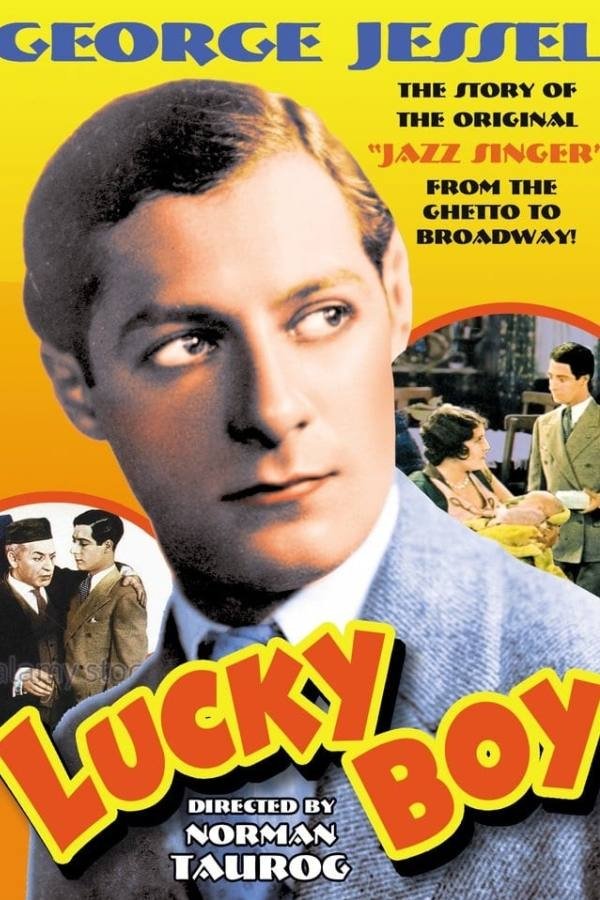
Lucky Boy
A young Jewish man works in his father's jewelry business, but he doesn't like it at all--he wants to be an entertainer, something he knows that his father would never approve of. He comes up with a scheme to put on his own show in a theater and show his father that he can be a success, but things don't work out quite as well as he planned.
Insights
Plot Summary
In this early musical, a popular vaudeville performer named Jackie Cooper dreams of making it big on Broadway. He navigates the complexities of the entertainment industry, facing both triumphs and setbacks. Along the way, he encounters love and rivalry, all while striving to achieve his ultimate theatrical ambition.
Critical Reception
As an early sound film, 'Lucky Boy' is noted for its integration of musical numbers and its attempt to capture the spirit of vaudeville. While its narrative may be somewhat formulaic by modern standards, it was a popular vehicle for its star, George Jessel, and offered a glimpse into the burgeoning sound film era. Critical reception at the time focused on its entertainment value and Jessel's performance.
What Reviewers Say
Praised for its musical sequences and George Jessel's charismatic performance.
Seen as a typical, albeit entertaining, showcase for vaudeville talent transitioning to film.
Appreciated for its early use of synchronized sound and song.
Google audience: Information on specific Google user reviews for 'Lucky Boy (1929)' is not readily available, but contemporary reception likely focused on its novelty as an early sound film and the star power of George Jessel.
Fun Fact
George Jessel, the film's star, was a hugely popular vaudeville entertainer who also had a successful career in radio and film. He was famously known as the 'Toastmaster General of the United States'.
AI-generated overview · Verify ratings on official sources