Movie spotlight
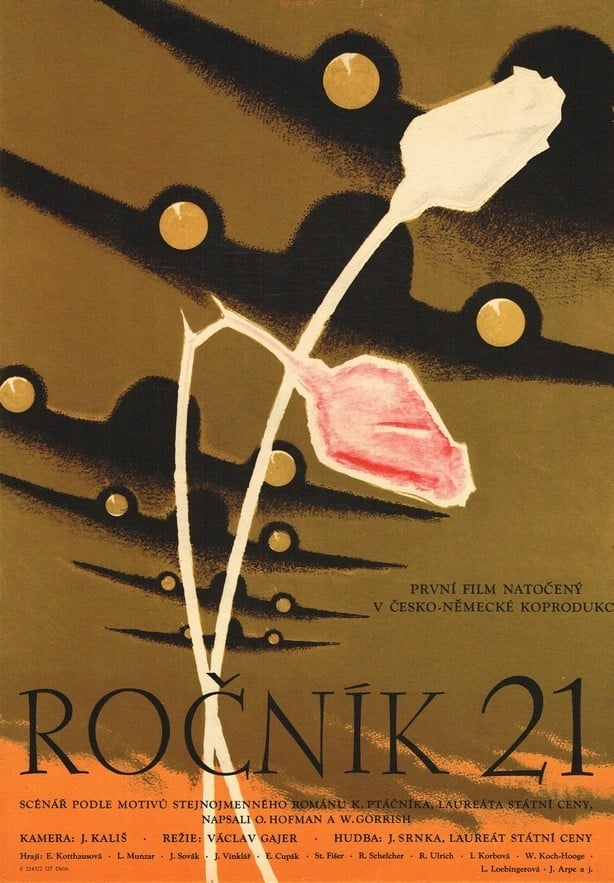
Jahrgang 21
At the beginning of the Second World War, Czech music student Honsik comes to Germany from Prague to join a "foreign worker company". After rescuing a boy from the rubble of a bombed-out house, he himself is seriously injured and taken to a hospital in Stralsund. There he is regarded as a second-class citizen and the Germans are preferred to him. Nurse Käthe stands up for him, cares for him and defies all prohibitions. A love affair is kindled between the two, but it is not under a good star. Honsik tries to flee to his homeland with his comrades and Käthe supports him. At the last moment, however, Honsik realizes that his love for Käthe is stronger than his homesickness and makes his way back. Once back home, he can only watch as Käthe is arrested by the Gestapo. With the help of a resistance fighter, the young man from Prague manages to escape after all.
Insights
Plot Summary
Set during World War II, the film follows the experiences of young men drafted into the German army and thrust into the brutal realities of war. It explores their loss of innocence, the moral compromises they are forced to make, and the devastating impact of the conflict on their lives and humanity. The narrative depicts the progression from naive enlistment to the grim understanding of their fate.
Critical Reception
Wolfgang Staudte's 'Jahrgang 21' was a significant post-war German film that offered a critical perspective on the war and the German youth's role in it. It was recognized for its attempt to confront the past and its humanistic portrayal of soldiers caught in circumstances beyond their control, although its critical reception at the time was somewhat muted compared to Staudte's earlier works like 'The Murderers Are Among Us'.
What Reviewers Say
Praised for its anti-war sentiment and honest portrayal of young soldiers.
Noted for its humanistic approach to a difficult historical period.
Seen as a somber reflection on lost youth and the consequences of war.
Google audience: Audience reviews often highlight the film's powerful anti-war message and its realistic depiction of the psychological toll of conflict on young men, resonating with viewers who appreciate historical dramas that offer a critical perspective.
Fun Fact
Wolfgang Staudte, the director, was already renowned for his unflinching look at the aftermath of war in his 1946 film 'The Murderers Are Among Us', making 'Jahrgang 21' another significant contribution to German cinema's engagement with its past.
AI-generated overview · Verify ratings on official sources