Pilate and Others
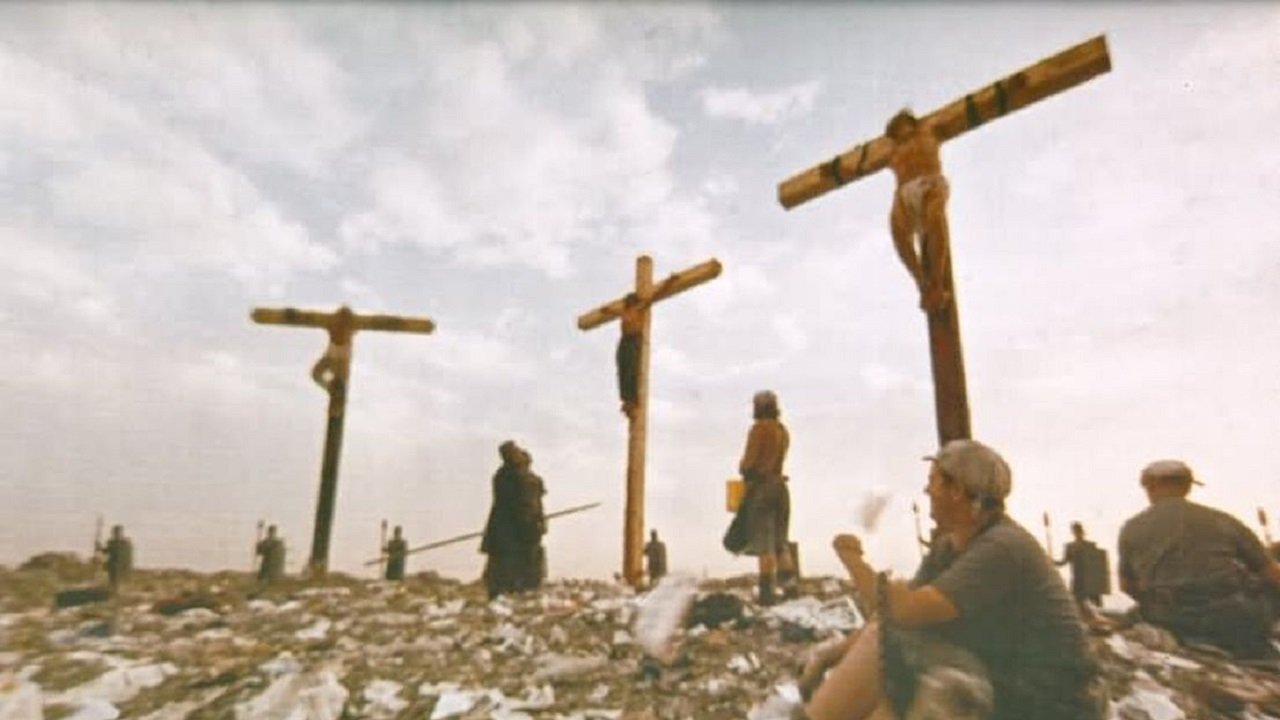
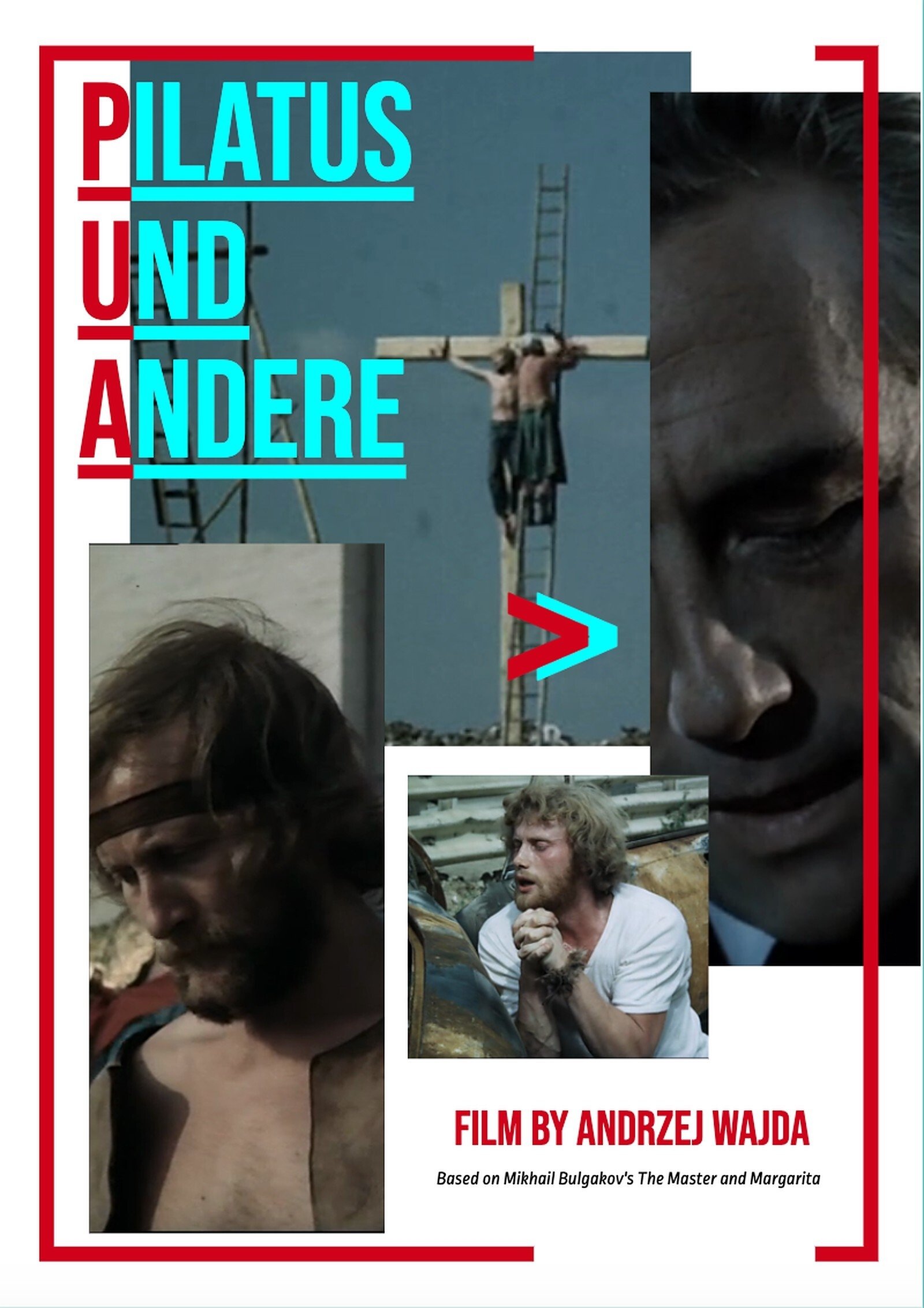
The trial of Yeshua Ha-Notsri is led by prosecutor Pontius Pilate who believes in the innocence of the accused but is forced to sentence him to death. This biblical story is set in present-day Germany.
Insights
Plot Summary
This Polish television film offers a philosophical exploration of the trial of Jesus, focusing on the inner turmoil and moral complexities faced by Pontius Pilate. The narrative shifts between ancient Jerusalem and the modern setting of a discussion among intellectuals, drawing parallels between historical events and contemporary ethical dilemmas. It questions the nature of truth, responsibility, and the consequences of inaction in the face of injustice.
Critical Reception
Andrzej Wajda's 'Pilate and Others' is a thought-provoking and intellectually dense film that garnered critical acclaim for its ambitious thematic scope and masterful direction. While perhaps less widely seen internationally than some of Wajda's other works, it is highly regarded within Poland for its profound examination of morality and power, resonating with audiences for its timeless questions about leadership and ethical compromise.
What Reviewers Say
- Praised for its intellectual depth and philosophical inquiry into the trial of Jesus.
- Lauded for Andrzej Wajda's distinctive directorial style and the film's dual-timeline structure.
- Appreciated for its exploration of moral ambiguity and the burden of leadership.
Google audience: Information on Google user reviews for this specific film is not readily available.
Fun Fact
The film's structure, which interweaves scenes from the trial of Jesus with contemporary discussions, was a bold move for Polish television at the time, prompting reflection on historical parallels and philosophical debates.
AI-generated overview · Verify ratings on official sources