Movie spotlight
Les Misérables
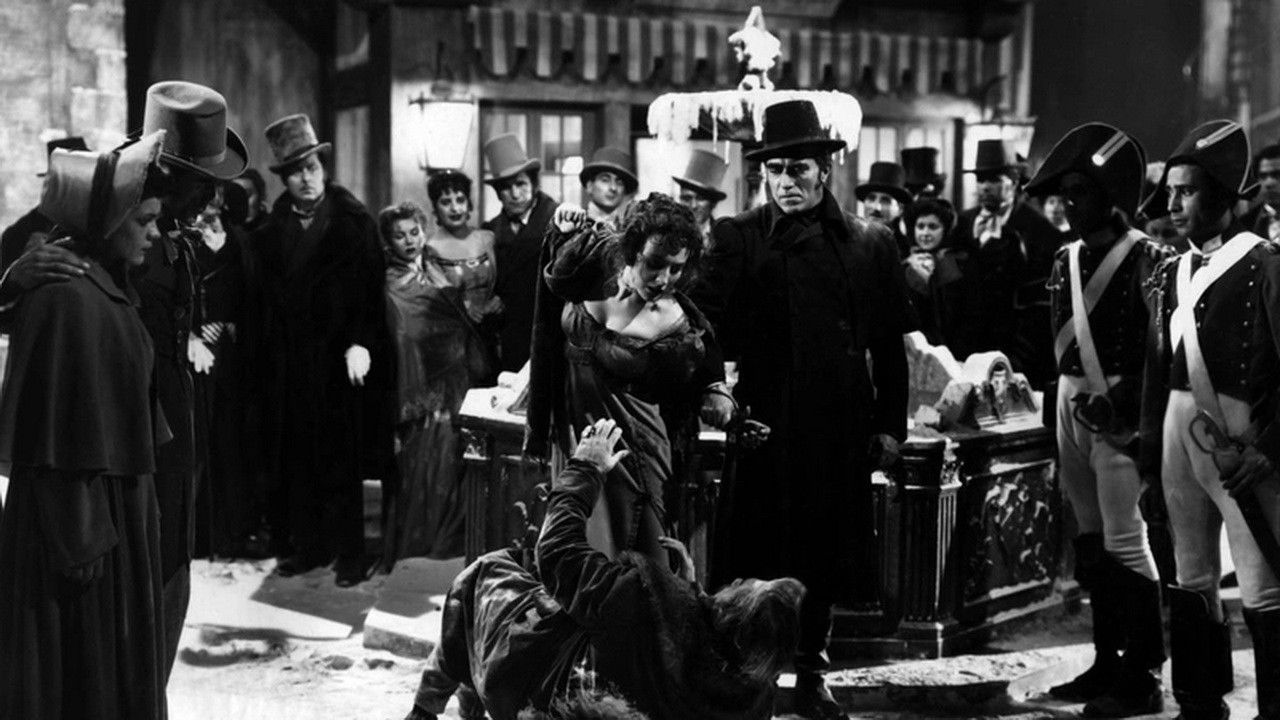
In 19th century France, Jean Valjean, a man imprisoned for stealing bread, must flee a relentless policeman named Javert. The pursuit consumes both men's lives, and soon Valjean finds himself in the midst of the student revolutions in France.
Insights
Plot Summary
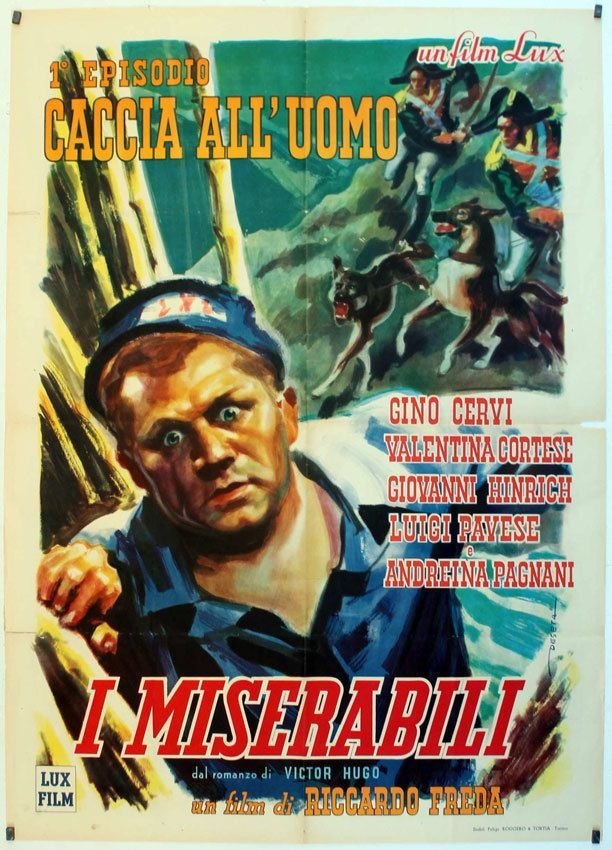
This Italian adaptation of Victor Hugo's classic novel follows the life of Jean Valjean, a former convict struggling for redemption in 19th-century France. He breaks parole to become a respected mayor and factory owner, but is relentlessly pursued by the determined Inspector Javert. Valjean takes on the responsibility of caring for the young Cosette after her mother's death, further complicating his efforts to evade his past and find peace.
Critical Reception
Riccardo Freda's 1948 adaptation of 'Les Misérables' is often considered a solid, albeit less iconic, cinematic take on Victor Hugo's monumental work. It was generally well-received for its faithful portrayal of the source material and strong performances, particularly from Gino Cervi as Jean Valjean. While it may not reach the heights of some other adaptations, it is recognized as a competent and engaging film within the historical drama genre.
What Reviewers Say
Praised for its faithful adaptation of the classic novel.
Gino Cervi delivers a compelling performance as Jean Valjean.
A well-crafted historical drama that captures the essence of Hugo's story.
Google audience: Audience reception for this specific 1948 adaptation is not widely documented on Google. However, reviews of the broader 'Les Misérables' story generally highlight its enduring themes of justice, redemption, and social inequality.
Fun Fact
This version is notable for being one of the earliest major post-war Italian cinematic adaptations of Victor Hugo's novel, predating many more internationally recognized versions.
AI-generated overview · Verify ratings on official sources