Movie spotlight
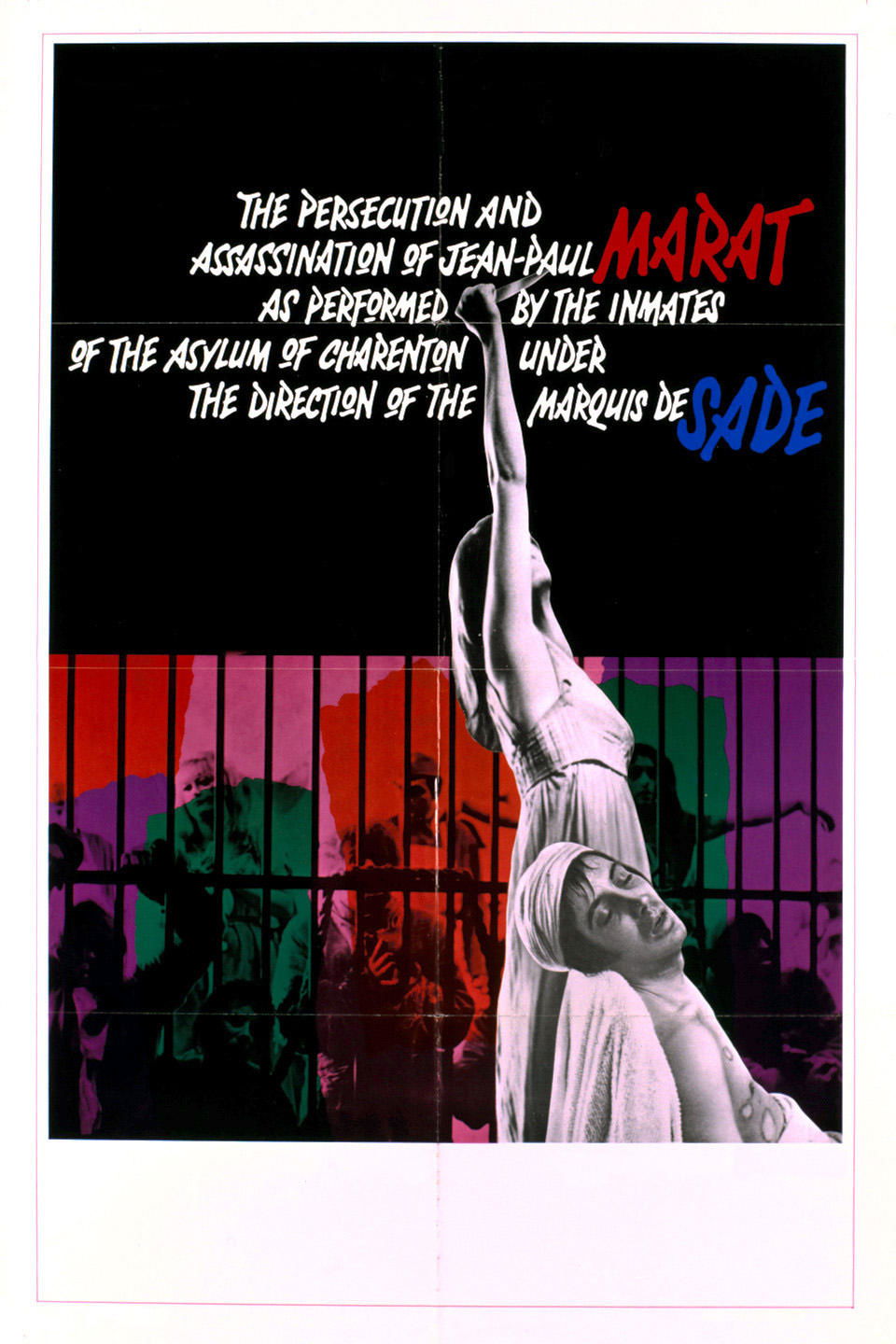
Marat/Sade
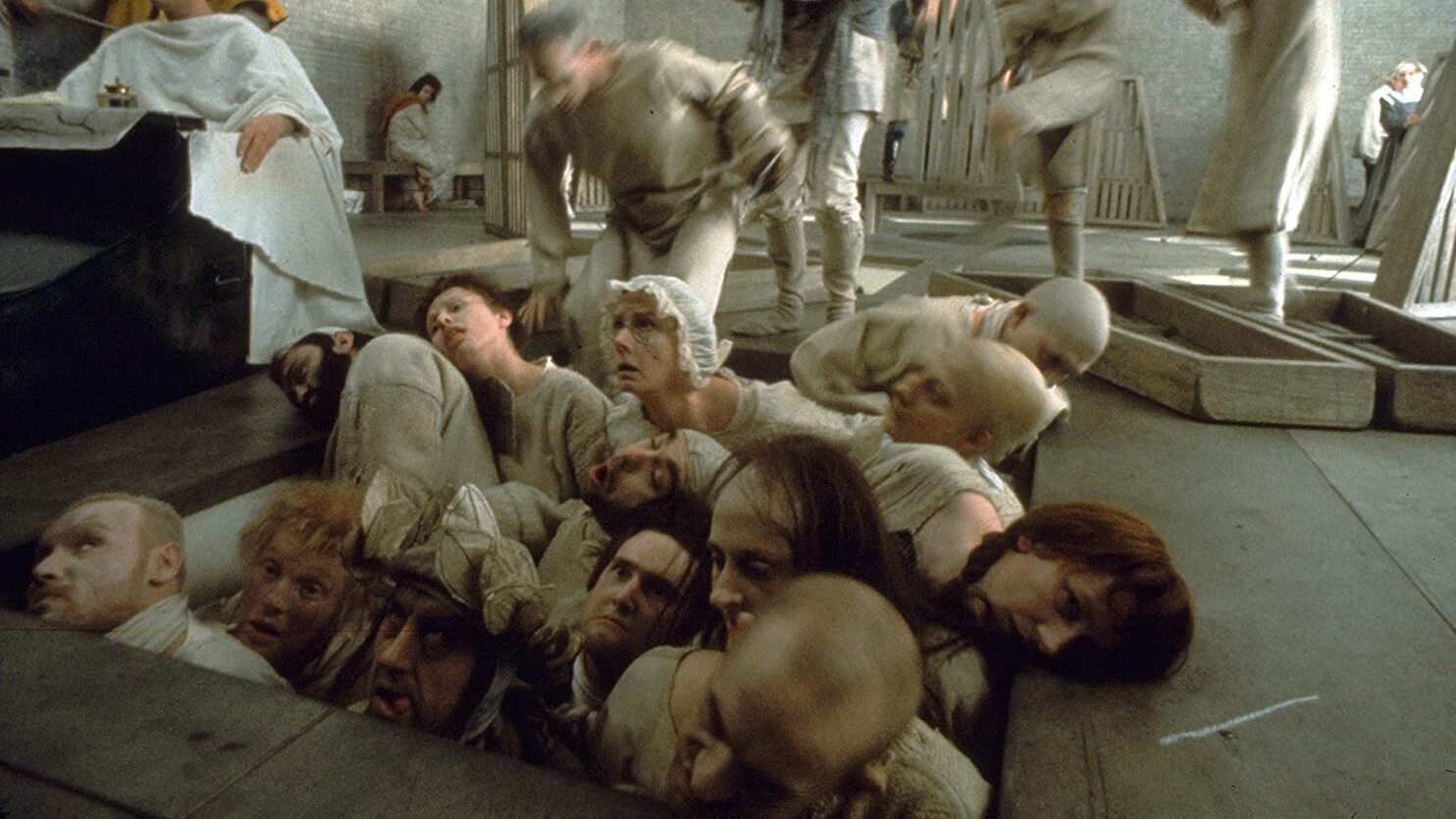
In Charenton Asylum, the Marquis de Sade directs a play about Jean Paul Marat's death, using the patients as actors. Based on 'The Persecution and Assassination of Jean-Paul Marat as Performed by the Inmates of the Asylum of Charenton Under the Direction of the Marquis de Sade', a 1963 play by Peter Weiss.
Insights
Plot Summary
In 1808, inmates of the Asylum of Charenton, under the direction of the Marquis de Sade, stage a play that explores the turbulent events leading up to the assassination of Jean-Paul Marat during the French Revolution. The play blurs the lines between performance and reality, as the patients' interpretations and personal struggles intertwine with the historical narrative. It becomes a chaotic and disturbing examination of madness, politics, and the human condition.
Critical Reception
The film adaptation of Peter Brook's acclaimed stage play received significant critical attention for its theatricality and provocative themes. Reviewers often praised its intense performances and its audacious exploration of sanity, society, and revolution, though some found its confrontational style and disturbing content challenging. It is considered a landmark of experimental cinema and a powerful adaptation of its source material.
What Reviewers Say
Praised for its daring and intellectual approach to complex historical and philosophical themes.
Noted for its powerful performances, particularly Glenda Jackson's.
Recognized for its unique blend of theatricality and cinematic intensity, though some found it disorienting.
Google audience: Audience reviews highlight the film's intellectual depth and unique, often challenging, presentation. Viewers frequently commend the acting and the provocative exploration of societal control and individual freedom, even if the subject matter is intense.
Awards & Accolades
Nominated for the Palme d'Or at the 1967 Cannes Film Festival. Glenda Jackson received a BAFTA Award nomination for Best Actress.
Fun Fact
The film was shot in only 10 days, largely within the actual asylum in Charenton-Saint-Maurice, France, to capture an authentic atmosphere.
AI-generated overview · Verify ratings on official sources