Movie spotlight
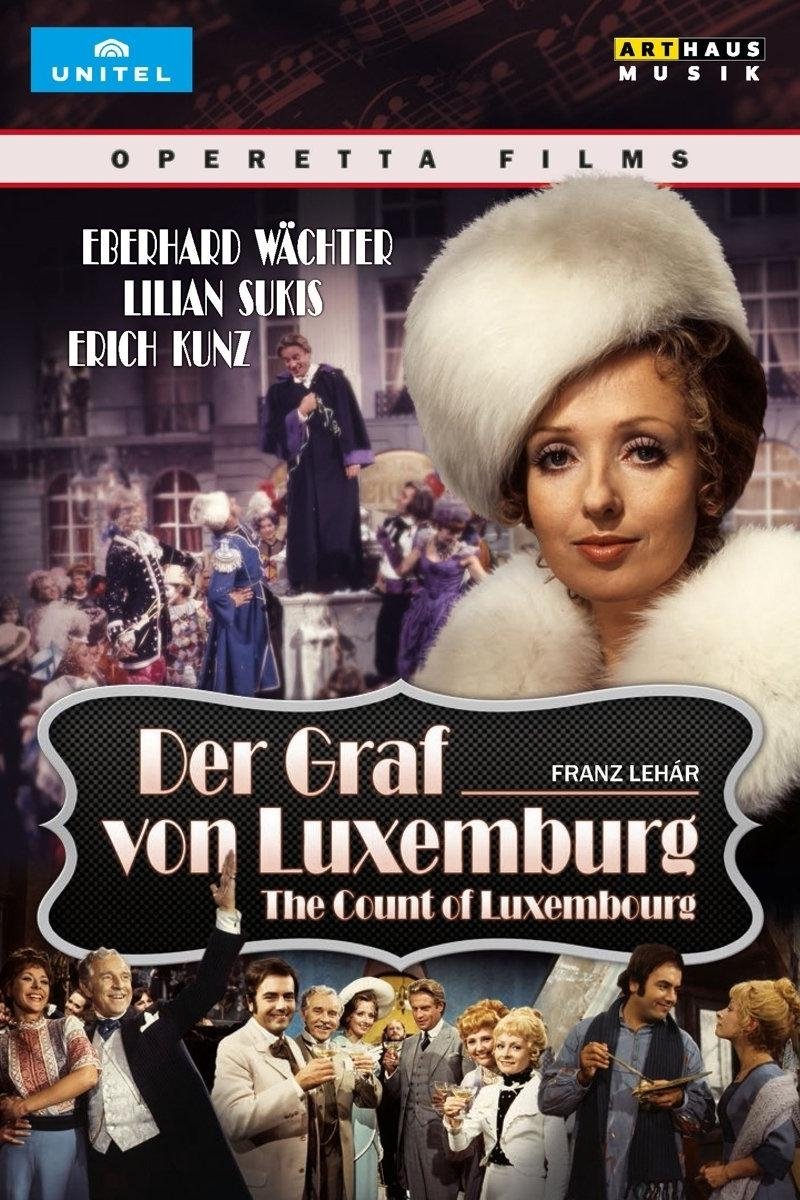
The Count of Luxembourg
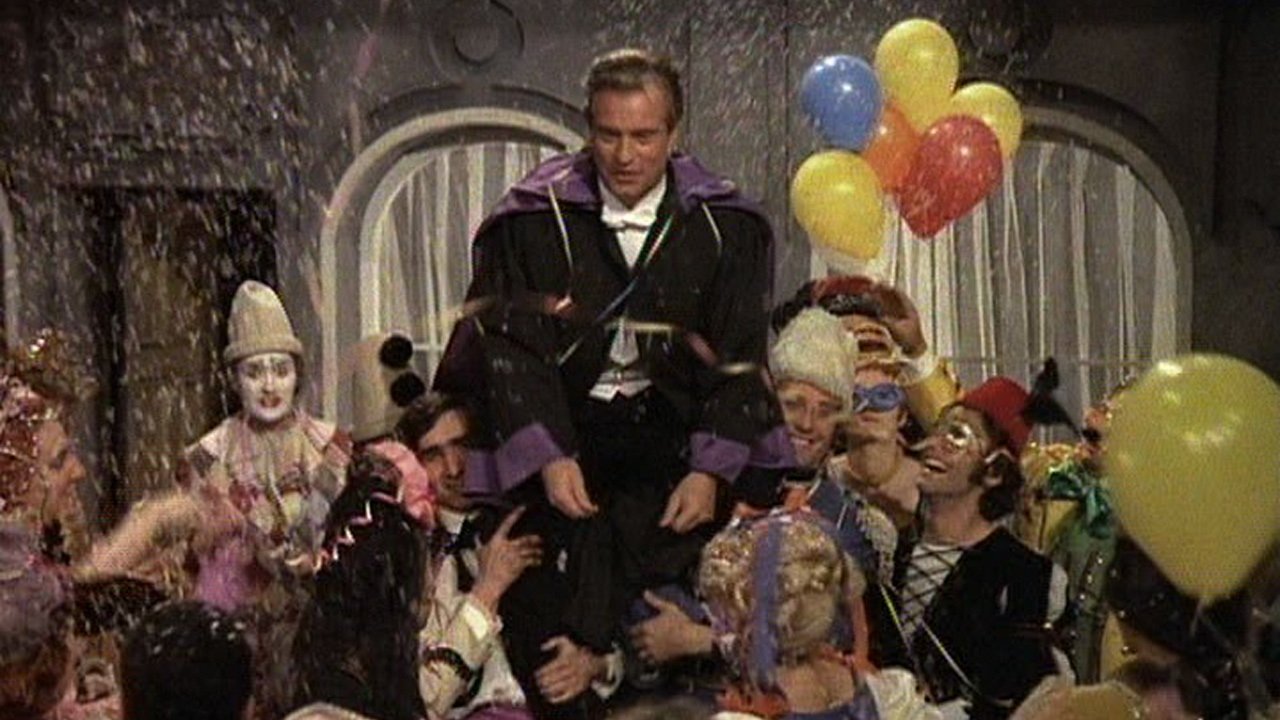
Der Graf von Luxemburg (The Count of Luxembourg) is an operetta in three acts by Franz Lehár to a German libretto by Alfred Willner, Robert Bodanzky, and Leo Stein. A Viennese take on bohemian life in Paris at the beginning of the 20th century, the story revolves around an impoverished aristocrat and a glamorous opera singer who have entered into a sham marriage without ever seeing each other and later fall in love at first sight, unaware that they are already husband and wife.
Insights
Plot Summary
In this operetta film, a penniless count agrees to marry a wealthy opera singer but must divorce her before the wedding to maintain his bachelor status. He finds himself falling for her, creating a comedic and romantic entanglement as he tries to navigate his obligations and newfound feelings.
Critical Reception
The 1972 film adaptation of 'The Count of Luxembourg' is a charming, albeit somewhat dated, musical comedy. It is generally appreciated for its lighthearted operetta roots and lavish production, though some critics found its plot predictable and its pacing occasionally slow.
What Reviewers Say
Praised for its musical numbers and colorful performances.
Noted for its light, frothy, and ultimately predictable operetta plot.
Seen as a pleasant diversion for fans of classic musical films.
Google audience: Audience reception for this specific 1972 film adaptation is scarce, but general sentiment for 'The Count of Luxembourg' operettas often highlights their melodic scores and humorous, romantic storylines, appealing to those who enjoy traditional musical theatre.
Fun Fact
The operetta 'The Count of Luxembourg' by Franz Lehár was first performed in 1909, and this 1972 film is one of several adaptations of the popular work.
AI-generated overview · Verify ratings on official sources